





















































Inter-faith marriage entitled to benefits under inter-caste marriage reservation: Kerala HC
The Kerala High Court has held that an inter-religious marriage must also be taken into account while considering entitlement to benefits under the reservation category meant for inter-caste married persons.Justice Harisankar V Menon passed the order on September 15 while disposing of a petition filed by Jisha (40), of Kottayam, who had been appointed as a farm employee under the “Misra Vivahitha” (inter-caste married) reservation category.Jisha Thomas, who belongs to the Roman Catholic Christian community, is married to Nishu Soman, who belongs to the Hindu religion and the Pulaya community, categorises as a Scheduled Caste.Jisha was appointed to the post by the Principal Agricultural Officer, Kottayam, under the reservation category. She was subsequently required to produce documents supporting her claim to the reservation within the prescribed period.She relied on an inter-caste marriage certificate issued by the Tahsildar, Vaikom, on February 1, 2007. The certificate stated that Jisha was married to Soman and described their marriage as an “inter-caste marriage”.However, when the authorities later insisted that she produce a recent certificate, Jisha approached the Tahsildar, Meenachil, seeking an inter-caste marriage certificate. The application was rejected on the ground that she and her husband belonged to different religions, and therefore their marriage could not be considered an inter-caste marriage.The Tahsildar subsequently issued another certificate on October 31, 2022, certifying that Jisha belonged to the Christian religion under the Roman Catholic category, while her husband belonged to the Hindu religion and the Pulaya category.The certificate was also not accepted by the Senior Agricultural Officer at the State Seed Farm, Kozha, following which Jisha approached the High Court.In November 2022, the High Court had directed the Agriculture Officer to provisionally accept the certificate and allow Jisha to take charge pursuant to her appointment, subject to the outcome of the petition. She subsequently joined duty, but her appointment was not regularised.Before the High Court, the State argued that the certificates produced by Jisha only showed that she was an inter-faith married person and could not be relied upon to extend the benefit of the reservation under which she had been appointed.The government also relied on Clause 246 of the Village Office Manual, submitting that only an “inter-caste marriage certificate” could be issued under the provision and that a marriage between persons belonging to different religions was not eligible for such a certificate.The High Court, however, held that the issue had to be considered in the context of the reservation category under which Jisha had been appointed.“Since the petitioner’s appointment is under the category of ‘Misra Vivahitha’, the benefits there under require to be extended based on Exts.P5 as well as P8 (the interfaith marriage certificates produced before court, certified by the Tahsildar),” the court said.The court noted that the certificates established that Jisha belonged to the Christian religion while her husband belonged to the Hindu religion.“In the opinion of this Court, an inter-religion marriage also requires to be taken note of while considering the entitlement pursuant to the benefits considered and extended pursuant to Ext.P4 order(the appointment letter of Jisha),” Justice Menon held.The court consequently directed the Senior Agricultural Officer to regularise Jisha’s appointment on the basis of the certificates she had produced.“Needless to say that the consequential benefits require to be extended to the petitioner forthwith,” the court added.The judgment thus directs the authorities to extend the benefit of the inter-caste marriage reservation category to Jisha, despite the marriage being between persons belonging to different religions, and to regularise her appointment accordingly.
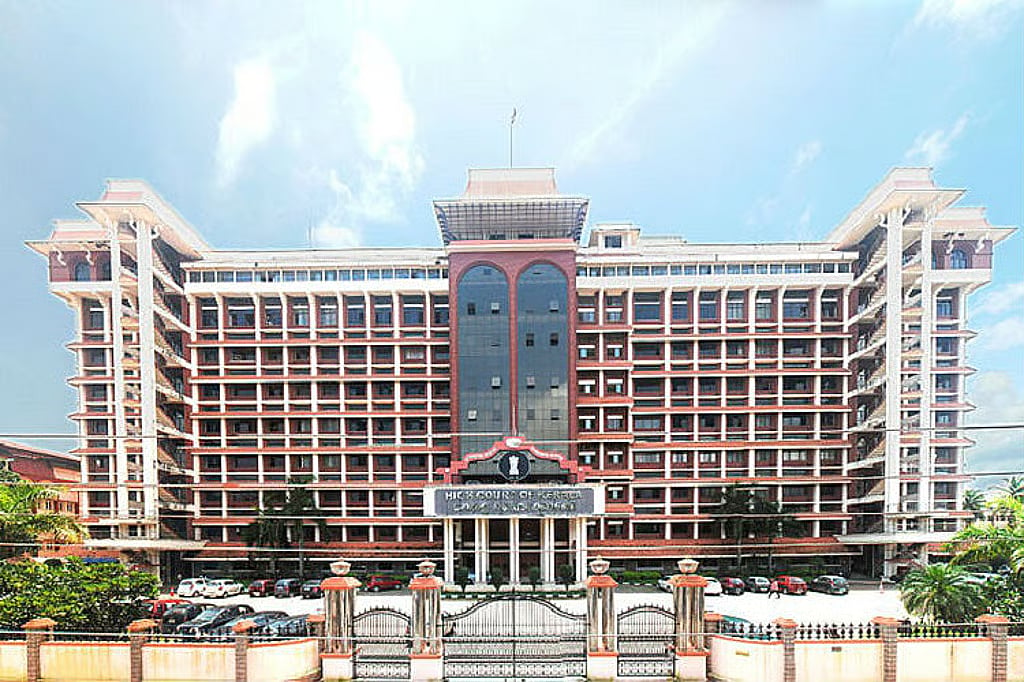
THE Kerala High Court has held that an inter-religious marriage must also be taken into account while considering entitlement to benefits under the reservation category meant for inter-caste married persons.
Justice Harisankar V Menon passed the order on September 15 while disposing of a petition filed by Jisha (40), of Kottayam, who had been appointed as a farm employee under the “Misra Vivahitha” (inter-caste married) reservation category.
Jisha Thomas, who belongs to the Roman Catholic Christian community, is married to Nishu Soman, who belongs to the Hindu religion and the Pulaya community, categorises as a Scheduled Caste.
Jisha was appointed to the post by the Principal Agricultural Officer, Kottayam, under the reservation category. She was subsequently required to produce documents supporting her claim to the reservation within the prescribed period.
She relied on an inter-caste marriage certificate issued by the Tahsildar, Vaikom, on February 1, 2007. The certificate stated that Jisha was married to Soman and described their marriage as an “inter-caste marriage”.
However, when the authorities later insisted that she produce a recent certificate, Jisha approached the Tahsildar, Meenachil, seeking an inter-caste marriage certificate. The application was rejected on the ground that she and her husband belonged to different religions, and therefore their marriage could not be considered an inter-caste marriage.
The Tahsildar subsequently issued another certificate on October 31, 2022, certifying that Jisha belonged to the Christian religion under the Roman Catholic category, while her husband belonged to the Hindu religion and the Pulaya category.
The certificate was also not accepted by the Senior Agricultural Officer at the State Seed Farm, Kozha, following which Jisha approached the High Court.
In November 2022, the High Court had directed the Agriculture Officer to provisionally accept the certificate and allow Jisha to take charge pursuant to her appointment, subject to the outcome of the petition. She subsequently joined duty, but her appointment was not regularised.
Before the High Court, the State argued that the certificates produced by Jisha only showed that she was an inter-faith married person and could not be relied upon to extend the benefit of the reservation under which she had been appointed.
The government also relied on Clause 246 of the Village Office Manual, submitting that only an “inter-caste marriage certificate” could be issued under the provision and that a marriage between persons belonging to different religions was not eligible for such a certificate.
The High Court, however, held that the issue had to be considered in the context of the reservation category under which Jisha had been appointed.
“Since the petitioner’s appointment is under the category of ‘Misra Vivahitha’, the benefits there under require to be extended based on Exts.P5 as well as P8 (the interfaith marriage certificates produced before court, certified by the Tahsildar),” the court said.
The court noted that the certificates established that Jisha belonged to the Christian religion while her husband belonged to the Hindu religion.
“In the opinion of this Court, an inter-religion marriage also requires to be taken note of while considering the entitlement pursuant to the benefits considered and extended pursuant to the Ext.P4 order (the appointment letter of Jisha),” Justice Menon held.
The court consequently directed the senior agricultural officer to regularise Jisha’s appointment on the basis of the certificates she had produced.
“Needless to say that the consequential benefits require to be extended to the petitioner forthwith,” the court added.
The judgment thus directs the authorities to extend the benefit of the inter-caste marriage reservation category to Jisha, despite the marriage being between persons belonging to different religions, and to regularise her appointment accordingly.