


















































































Anaesthesiologist reveals the one thing patients must disclose before surgery
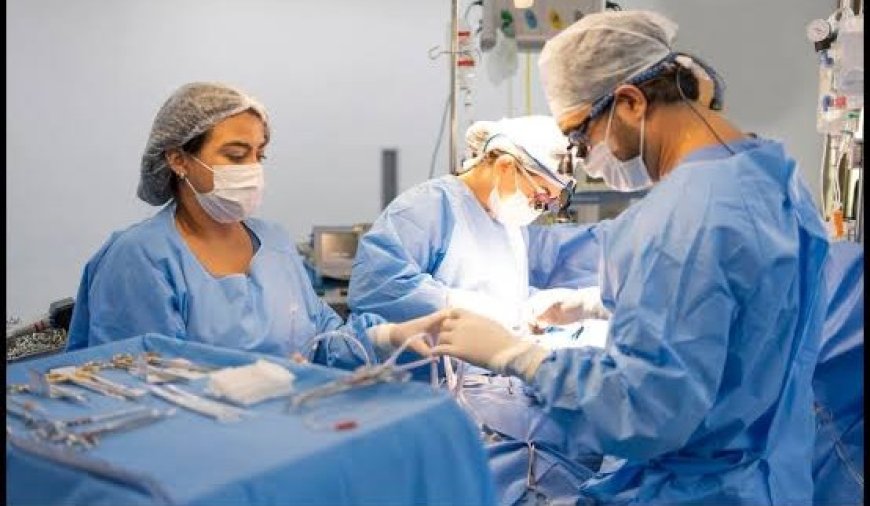
IT'S common to wonder what comes after surgery. How much pain will I be in, and for how long? When can I drive again? Should I get compression garments? How long do I have to wait before I can exercise?
These questions are all valid—you wanted to return to your normal life yesterday. However, one anaesthesiologist stresses it’s equally important to know what to do before surgery.
“Our goal as anesthesiologists is to optimise patients preoperatively to ensure the best and safest outcomes,” Dr Jeremy Dennis, MD, an assistant professor of anesthesiology at the Yale School of Medicine, tells Parade. “While anaesthesia is considered safe, we can still improve its safety profile.”
To complicate matters, Dr Dennis says anaesthesia is a broad, generic term.
“The same drug can produce various states of anaesthesia depending on the dose, patient and other factors,” Dr Dennis says. “Anaesthesia can refer to a situation where a specific part of the body is asleep, but the patient is awake and able to communicate.”
Dr. Dennis explains that anesthesiologists can administer local anesthetic (AKA numbing medicine) “at the procedure site or near a cluster of nerves in the neck or back.” It’s commonly used in dental offices and during C-section births.
“This is referred to as local, regional, spinal or epidural anesthesia depending on the injection site,” Dr Dennis says. “The other end of the spectrum, called general anaesthesia, is where the patient is completely asleep and unaware. General anaesthesia typically involves an oral device to assist with breathing.”
Other types of anaesthetics fall in between. Regardless of the type of anaesthesia your care team is using, Dr. Dennis says it’s vital to be open with them. For this reason, he wishes patients would stop doing this one thing.
‘This Is What I Wish People Would Stop Doing Before Surgery as an Anesthesiologist’
Dr. Dennis is begging people to stop forgetting (or intentionally not mentioning) any supplements you’re taking, because it can affect how your team approaches anaesthesia and more.
“While the patient may not realise it, many supplements, prescription, over-the-counter, and recreational drugs can interact with anaesthetic drugs or have a bearing on the surgical procedure,” Dr Dennis says. “Supplements can necessitate dose adjustments, avoidance of certain drugs, certain types of anaesthesia, or even cancellation of the procedure.”
Dr Dennis advises people to tell their doctors, surgeons and anesthesiologists any supplements they’re taking. He also shares several examples of how common supplements can affect surgery. He says that:
Garlic, ginkgo, ginseng, and vitamin E can cause bleeding by interfering with platelets, which are the cells involved in clotting.
St. John’s Wort, Valeria and kava can affect the metabolism of many common drugs used in anesthesia, which can result in you receiving more or less of the dose than the anesthesiologist actually administered.
Ephedra can trigger blood pressure issues and heart rate and rhythm disturbances.
Cannabinoids (THC/CBD)can affect the amount of anaesthesia needed to fall asleep and stay asleep. They can also affect the real-time data your team uses to monitor anaesthesia and control post-operative pain.
“Honesty and full disclosure during the pre-operative discussion are of utmost importance,” Dr. Dennis emphasizes. “The anaesthesia team needs to know the information, however sensitive it may feel, to keep you safe during your procedure.”
3 More Things To Do Before Surgery
You’ll definitely want to disclose all supplements you take to your healthcare team before surgery. However, as an anesthesiologist, Dr. Dennis shares that it’s crucial not to stop there. Here’s what else not to forget to do before surgery.
- Don’t ignore fasting guidelines
- Dr. Dennis knows fasting is one of the most dreaded pre-surgical to-dos.
“These rules protect patients and are not meant to be punitive,” he stresses, noting that normal reflexes weaken under anaesthesia. GLP-1s can make them even weaker if you’re taking them.
“Food can travel from your stomach into your lungs,” Dr. Dennis says. “This phenomenon, known as aspiration, can lead to breathing issues, pneumonia, prolonged hospitalisations, intubation and even death.”
2. Be forthcoming with information
Dr Dennis says anaesthesia is considered “extremely safe,” but it still carries risks.
“We ask questions to keep patients safe, not to judge,” he emphasizes. The more information an anaesthesia team has about your family, medical, anaesthesia, and social history, the better they can keep you safe. “Like many things in life, the ‘Best offence is a good defence,'” Dr Dennis says. “With more information, we can prepare for various situations with the right people, equipment, and medication.”
3. Do make your anaesthesia pre-operative interview a dialogue, not a monologue
Consider pre-operative discussions a two-way street. “Anaesthesia requires a team approach,” Dr Dennis notes. “In addition to sharing your history, the anaesthesia team also wants to find ways to accommodate your personal requests when it’s medically safe.”