





















































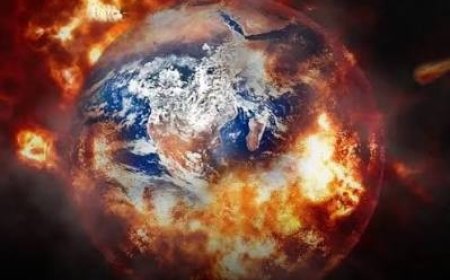
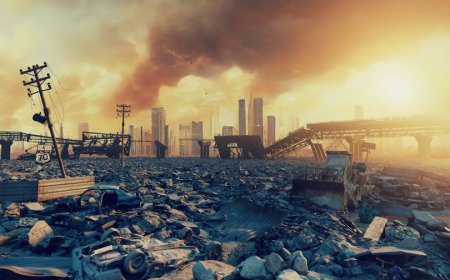

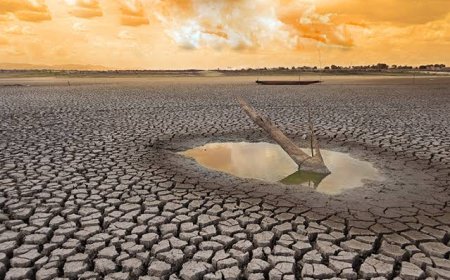






















Human extinction is 'inevitable' and it's 'when not if', expert warns
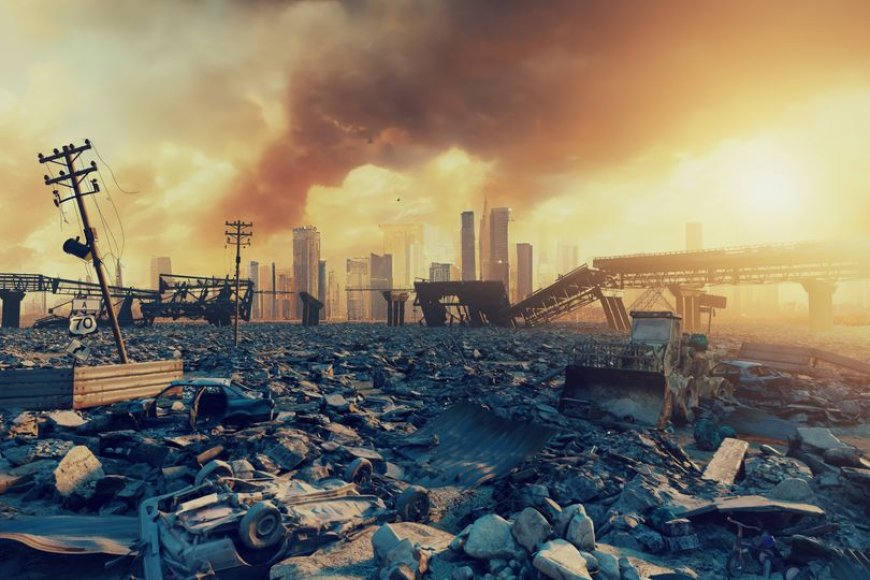
DESPITE humanity's distinct self-perception when compared to every other form of life on the planet, we remain subject to nature's fundamental rules.
One specialist has said all living things on Earth will eventually die out, and humans are no different.
Nick Longrich, a senior lecturer at the University of Bath, in the UK, said that humans are "inevitably" on the path to extinction, and it is a question of when, not if.
NASA warns 'Doomsday asteroid' to fly past Earth on cursed day - and it's very soon
Trump publicly ridicules ‘friend’ taking ‘fat drug’ and says ‘you look like sh-t’
Why we’ll all be wearing purple next summer, special gene makes us smart, cheap mission to Alpha Centauri planned, and Jesus’ tomb found - all this and more in our weird science newsletter
Looking at humanity's evolutionary cousins - including Neanderthals, Denisovans and Homo erectus - provides clear evidence that we'll eventually meet the same fate.
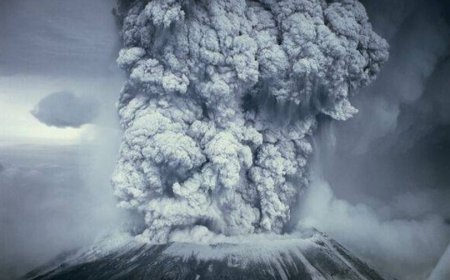
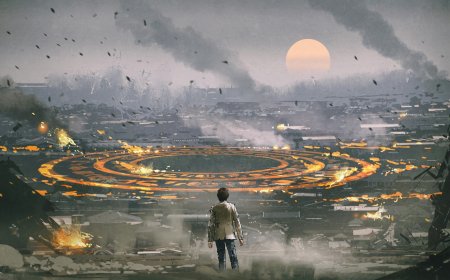
Many dangers face humanity, from climate change to natural catastrophes such as earthquakes, volcanic eruptions and asteroid impacts, which is why Mr Longrich considers humanity's demise virtually certain, reports the Daily Star.
He wrote for The Conversation: "Will our species go extinct? The short answer is yes. The fossil record shows everything goes extinct, eventually. Almost all species that ever lived, over 99.9 percent, are extinct.
"Some left descendants. Most - plesiosaurs, trilobites, Brontosaurus - didn't.
"That's also true of other human species. Neanderthals, Denisovans, Homo erectus all vanished, leaving just Homo sapiens.
"Humans have vulnerabilities. Large, warm-blooded animals like us don't handle ecological disruptions well.
"Small, cold-blooded turtles and snakes can last months without food, so they survived.
"Big animals with fast metabolisms - tyrannosaurs, or humans - require lots of food, constantly. That leaves them vulnerable to even brief food chain disruptions caused by catastrophes such as volcanoes, global warming, ice ages or the impact winter after an asteroid collision.
"Humans are inevitably heading for extinction. The question isn't whether we go extinct, but when."
Yet, several elements could shift the odds in humanity's favor.
Undeniably, we represent the most cognitively advanced species ever to walk the planet, providing us with an extraordinary capacity to adjust to our surroundings.
People have built communities in nearly every corner of the world across vastly different environments - an accomplishment unmatched by any other creatures in the animal kingdom.
Mr Longrich said: "Geographically widespread organisms fare better during catastrophes such as an asteroid impact, and between mass extinction events.
"Large geographic range means a species doesn't put all its eggs in one basket. If one habitat is destroyed, it can survive in another.
"Polar bears and pandas, with small ranges, are endangered. Brown bears and red foxes, with huge ranges, aren't.
"Humans have the largest geographic range of any mammal, inhabiting all continents, remote oceanic islands, and habitats as diverse as deserts, tundra, and rainforest.
"But this adaptability sometimes makes us our own worst enemies, too clever for our own good.
"Changing the world sometimes means changing it for the worse, creating new dangers: nuclear weapons, pollution, overpopulation, climate change, pandemics.
"So we've mitigated these risks with nuclear treaties, pollution controls, family planning, cheap solar power, vaccines. We've escaped every trap we set for ourselves. So far."