

















































































World Tourism Day: These 5 locations became fan pilgrimage after iconic movies
As the travel industry embraces “set-jetting,” the trend of travelling to locations featured in movies and TV shows, some spots have evolved into permanent shrines for die-hard fans.

CINEMA has a unique power to transport audiences across the globe, turning breathtaking backdrops into ultimate bucket-list destinations.
As the travel industry embraces “set-jetting,” the trend of travelling to locations featured in movies and TV shows, some spots have evolved into permanent shrines for die-hard fans.
From the rugged Himalayas to the romantic streets of Europe, here are five stunning destinations that experienced a massive tourism boom after being featured on the silver screen:
1. Pangong Tso, Ladakh (3 Idiots)
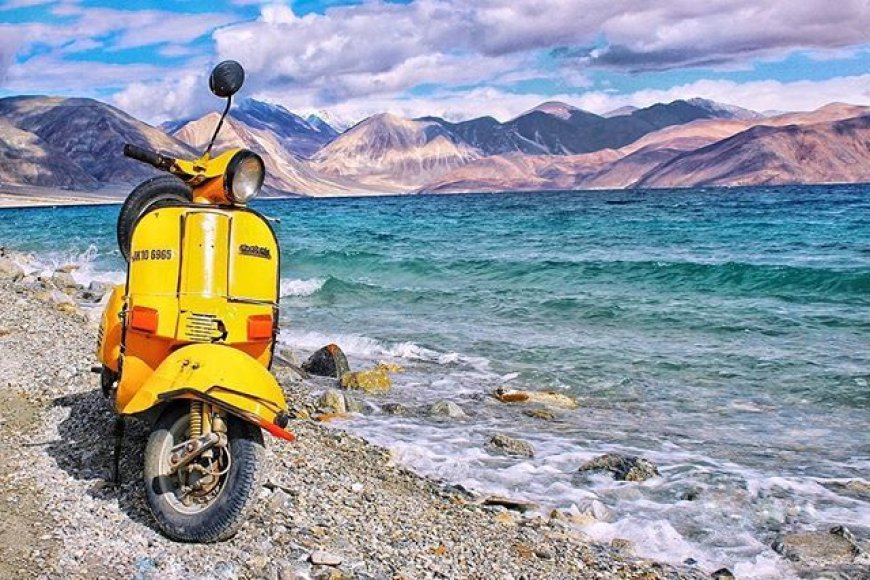
The crystal-clear, high-altitude waters of Pangong Lake became India's most sought-after road-trip destination following the blockbuster climax of 3 Idiots.
The breathtaking contrast of deep blue waters against barren mountains struck a chord with travellers.
Today, visitors can still find replicas of the famous yellow scooter and other iconic props lining the shore, allowing fans to recreate the film's magical ending.
2. New Zealand Landscapes (The Lord of the Rings)
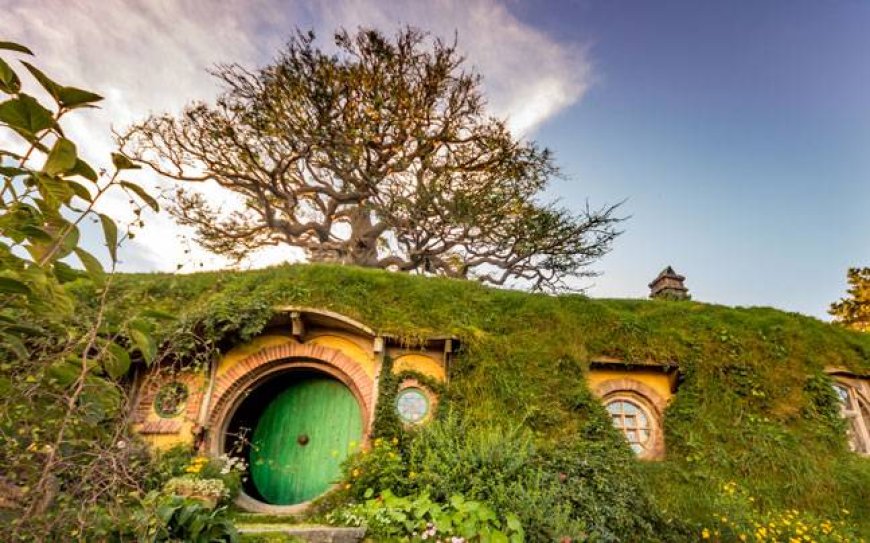
Peter Jackson’s epic fantasy franchise has permanently intertwined New Zealand's global identity with Middle-earth.
From the perfectly preserved, rolling green hills of the Hobbiton movie set in Matamata to the dramatic alpine peaks of Fiordland and Queenstown—which doubled as the formidable Misty Mountains—the country remains the ultimate bucket-list pilgrimage for Tolkien enthusiasts seeking immersive cinematic tourism.
3. Manali Mountains (Yeh Jawaani Hai Deewani)
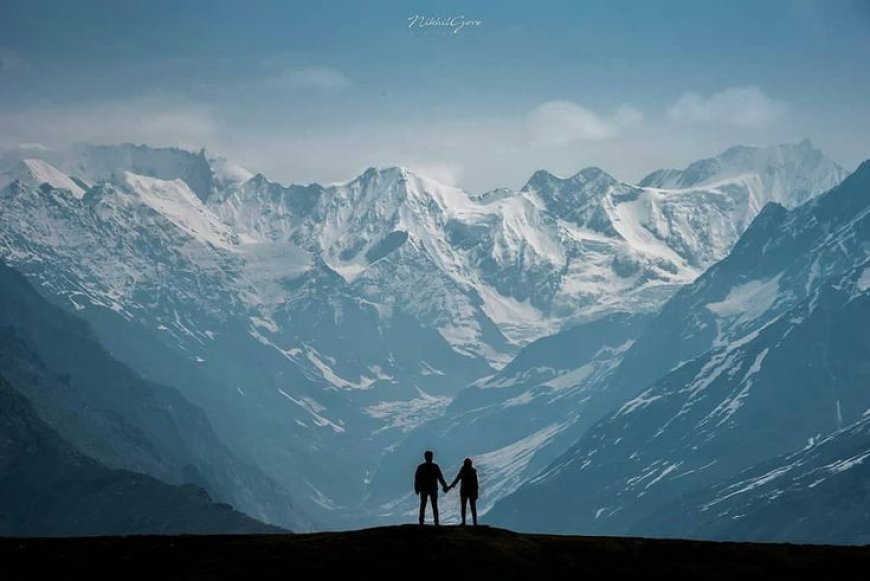
This modern Bollywood classic redefined the concept of youth travel in India. The snowy slopes, dense pine forests, and challenging trekking routes of Manali and the broader Himachal Pradesh region became the ultimate symbol of friendship, adventure, and coming-of-age journeys.
The film single-handedly prompted thousands of millennials to pack their backpacks and head out to experience the thrill of the mountains.
4. Spain (Zindagi Na Milegi Dobara)
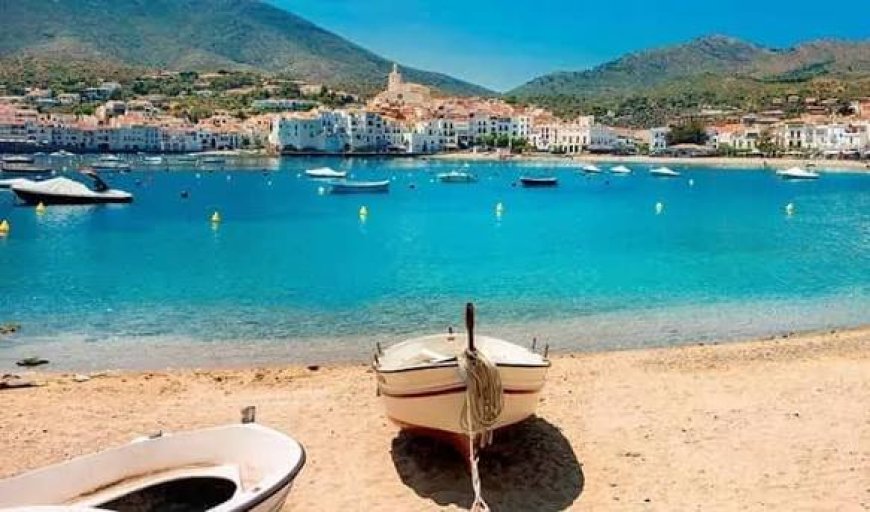
This cult-favourite film served as a spectacular three-hour visual brochure for Spanish tourism.
From throwing tomatoes at the vibrant La Tomatina festival in Buñol to deep-sea diving in the azure waters of Costa Brava and experiencing the adrenaline-fueled bull run in Pamplona, the movie inspired a whole generation of travellers to plan an adventurous Euro-trip centred on celebrating life and conquering fears.
5. Parisian Cafés and Streets (Emily in Paris)
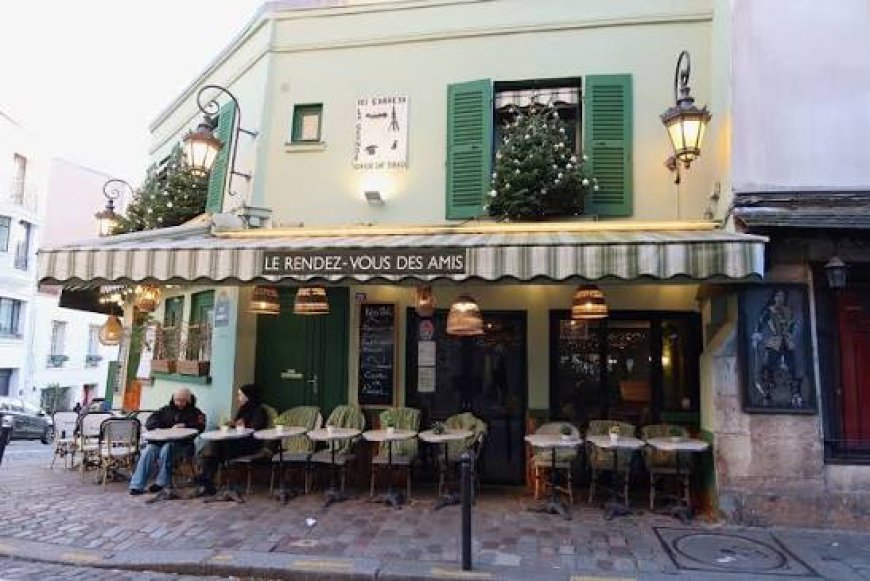
The hit Netflix series injected a fresh wave of modern romance into the French capital. Pop-culture tourists now flock to the historic Latin Quarter to snap photos at the picturesque Place de l'Estrapade (the exterior of Emily’s apartment building), dine at Gabriel’s restaurant (the real-life Terra Nera), and indulge in butter croissants at local boulangeries, all while seeking their own slice of the chic Parisian lifestyle.
Why is World Tourism Day celebrated?
World Tourism Day is observed globally every year on 27 September. The United Nations World Tourism Organisation (UNWTO) officially established this annual celebration in 1980.
The specific date was chosen to commemorate the 1970 adoption of the organisation's statutes, a major milestone in shaping global tourism policies and international travel standards.
The core purpose of World Tourism Day is to raise global awareness about the immense value of tourism and its direct impact on social, cultural, political, and economic development. It serves as a reminder of how travel breaks down cultural barriers, creates millions of jobs, and supports economic development worldwide.
For the 2026 edition, the global celebration is being hosted in El Salvador, with the official theme being “Digital Agenda and Artificial Intelligence to Redesign Tourism."
This forward-looking theme highlights how digital infrastructure and AI tools are actively transforming the way modern travellers discover, book, and experience new destinations.