

































































CJP protests: a test of India’s democratic conscience
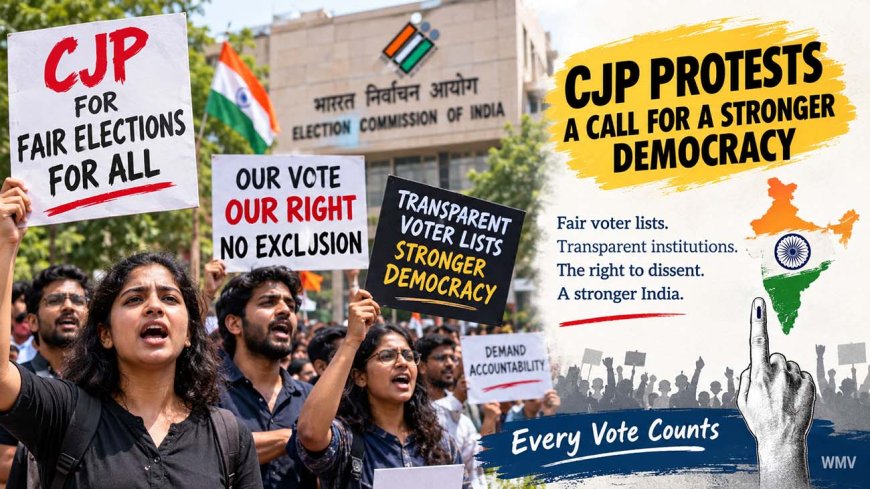
THE nationwide protests against voter-list revisions raise urgent questions about electoral transparency, the independence of institutions and the government’s response to dissent.
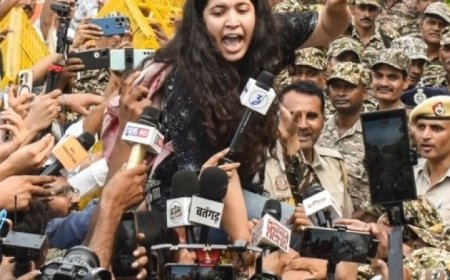
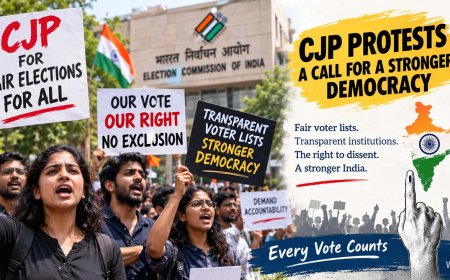
India is witnessing a significant moment in its democratic journey as the Cockroach Janta Party (CJP), a youth-led protest movement, mobilises people against alleged irregularities in the revision of electoral rolls. Its campaign has demanded the resignation of Chief Election Commissioner Gyanesh Kumar and greater accountability from the Election Commission of India.
The controversy centres on the Special Intensive Revision (SIR) of voter lists. Critics allege that the exercise could lead to the exclusion of millions of eligible voters, disproportionately affecting vulnerable communities.
The Election Commission’s procedures and the allegations surrounding them therefore deserve rigorous public scrutiny. The claims of wrongdoing, however, must be independently examined rather than treated as established facts.
The right to vote must be protected
The right to participate in elections is fundamental to representative democracy. Every eligible Indian citizen must have a fair opportunity to register, verify their details and cast a vote. Electoral rolls need periodic revision to remove duplicate and ineligible entries and include newly eligible voters. But such an exercise must be transparent, accurate and accessible.
If eligible citizens are wrongly removed, the consequences extend beyond administrative errors. Their voices may be excluded from decisions that determine the country’s political future. Equally, allegations of mass disenfranchisement must be supported by verifiable evidence. The Election Commission should publish clear explanations, relevant data and effective procedures for correcting errors.
Electoral integrity depends not merely on conducting elections but also on ensuring that every eligible voter can participate without fear, confusion or unreasonable bureaucratic obstacles.
Protest is not a threat to democracy
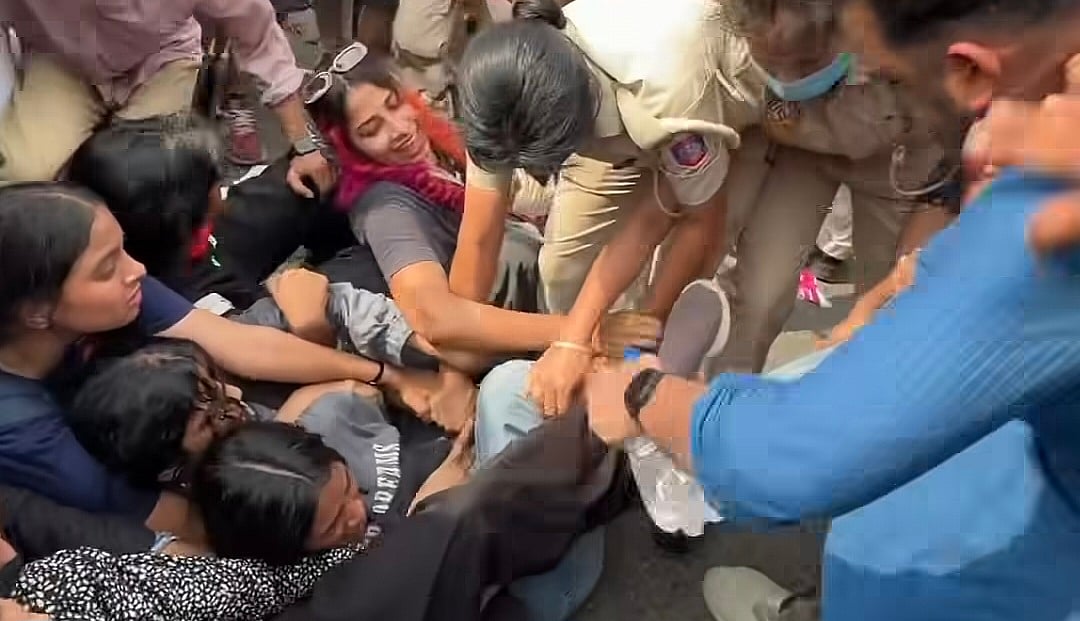
The CJP protests have also brought the freedom of peaceful assembly into focus. Reports of detentions, barricades and restrictions on demonstrations in Delhi have raised concerns about whether the authorities are striking the right balance between public order and citizens’ constitutional freedoms.
The Constitution guarantees freedom of speech and peaceful assembly, subject to reasonable restrictions. Governments are entitled to maintain public order, but restrictions must be proportionate and should not become a convenient means of silencing criticism.
Peaceful demonstrators should not be treated as enemies of the state merely because they challenge powerful institutions. Nor should protesters resort to violence, intimidation or the deliberate obstruction of essential public services. Both the state and those exercising their democratic rights have responsibilities.
The proper response to a peaceful protest is engagement, not indiscriminate repression. Arrests and restrictions, where necessary, must be lawful, justified and open to judicial scrutiny.
An emerging voice of youth
The CJP movement also reflects a wider question about the relationship between young Indians and established political institutions. Younger citizens increasingly use digital platforms and unconventional forms of mobilisation to challenge perceived failures of governance.
Their methods may be unconventional, and their claims must be tested against evidence, but their concerns should not be dismissed simply because they originate outside traditional political structures.
At the same time, a protest movement must demonstrate that it is committed to democratic principles itself. Its credibility will depend on factual accuracy, non-violence, internal accountability and a willingness to accept independent scrutiny. Public anger can draw attention to a problem, but sustained institutional reform requires evidence, clear demands and constructive engagement.
The Election Commission must command public confidence
The Election Commission occupies a position of exceptional responsibility. Its authority rests not only on constitutional provisions but also on the confidence of citizens that elections are conducted impartially. Even the perception that electoral procedures favour one political party can damage public trust.
The Commission should therefore respond to legitimate concerns with openness. It should explain the criteria and safeguards governing voter-list revisions, make correction and appeal mechanisms accessible, and ensure that complaints are resolved promptly. Where errors occur, they must be acknowledged and corrected.
Similarly, political parties should avoid exploiting unverified allegations for partisan advantage. Electoral fairness is a national interest, not the exclusive concern of the ruling party or the opposition.
Democracy demands accountability
The CJP protests should not be reduced to a contest between the government and its critics. The larger issue is whether India's democratic institutions can withstand scrutiny, correct mistakes and preserve citizens’ confidence.
A healthy democracy does not require its institutions to be beyond criticism. It requires them to respond to criticism with evidence and accountability. Nor does every allegation against an institution prove that it has failed. Independent investigation, transparent procedures and judicial oversight are essential to distinguish genuine wrongdoing from political rhetoric.
India’s democratic strength will ultimately be measured not by how effectively protests are contained, but by how fairly grievances are addressed. The government must protect the right to dissent, the Election Commission must safeguard every eligible voter’s participation, and protest leaders must uphold the standards of truth and non-violence.
The message is simple: the ballot must remain beyond suspicion, institutions must remain accountable, and peaceful dissent must remain a legitimate part of Indian democracy.