




































































Japan bids farewell to Asian Games as Qatar takes over
THE Aichi-Nagoya Asian Games came to a spectacular close on Sunday, with a dazzling blend of music, lights and Japanese culture bringing an end to more than two weeks of competition involving athletes from across Asia.
The 90-minute closing ceremony at the Mizuho Park Athletic Stadium featured colourful performances, laser displays and traditional Japanese elements under the theme ‘One Asia’, celebrating unity among the continent’s 45 participating nations.
Olympic Council of Asia (OCA) President Sheikh Joaan bin Hamad Al Thani officially declared the Games closed in the presence of Crown Prince and Crown Princess Akishino.
“Tonight, as we lower the flag on Aichi-Nagoya 2026, we close these Games, but we raise the bar for Asian sport,” Al Thani said.
The OCA president highlighted the achievements of the Games, saying more than 350 records had been broken, including over 50 world records.
“We have witnessed remarkable comebacks, last-second victories and dramatic near-misses. We have celebrated the rise of new teenage superstars and seasoned champions as they added to their impressive legacies,” he said.
The ceremony also featured a symbolic handover to Doha, which will host the 2030 Asian Games.
The OCA flag was passed to Qatari representatives, with Olympic and world high jump champion Mutaz Barshim taking centre stage during the segment.
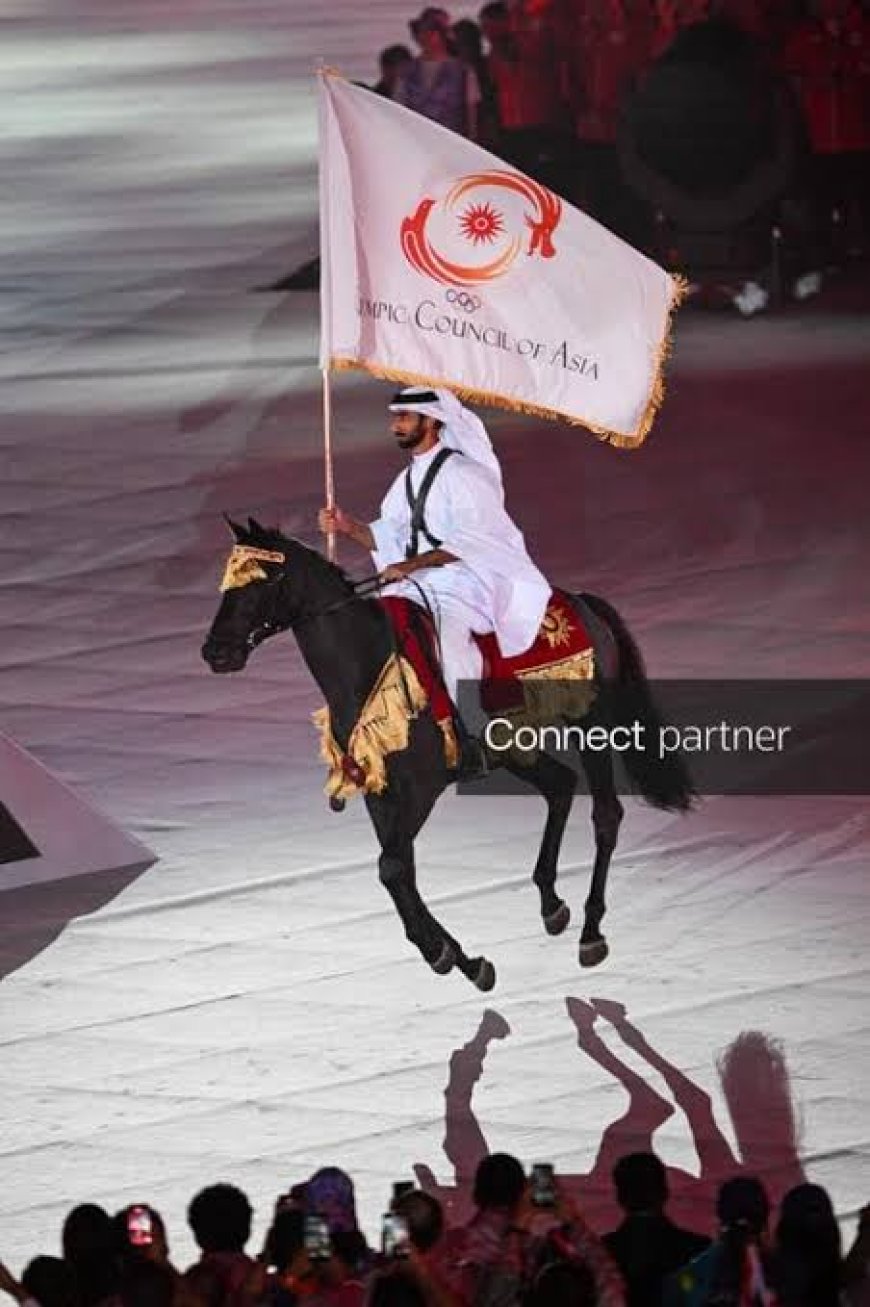
Qatar’s equestrian rider Jassim Al Kuwari then entered the stadium on horseback, carrying the OCA flag around the central platform.
The handover performance, titled ‘Al Makan Makanukum’ or ‘This Place Is Yours’, portrayed the OCA flag as Doha 2030’s first guest, arriving four years before the next Asian Games.
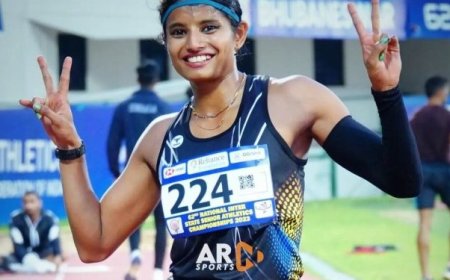
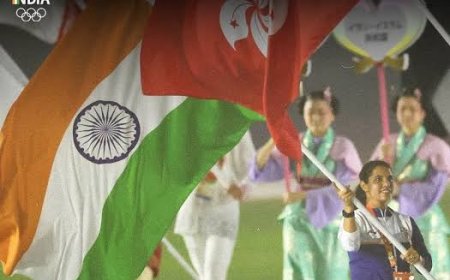
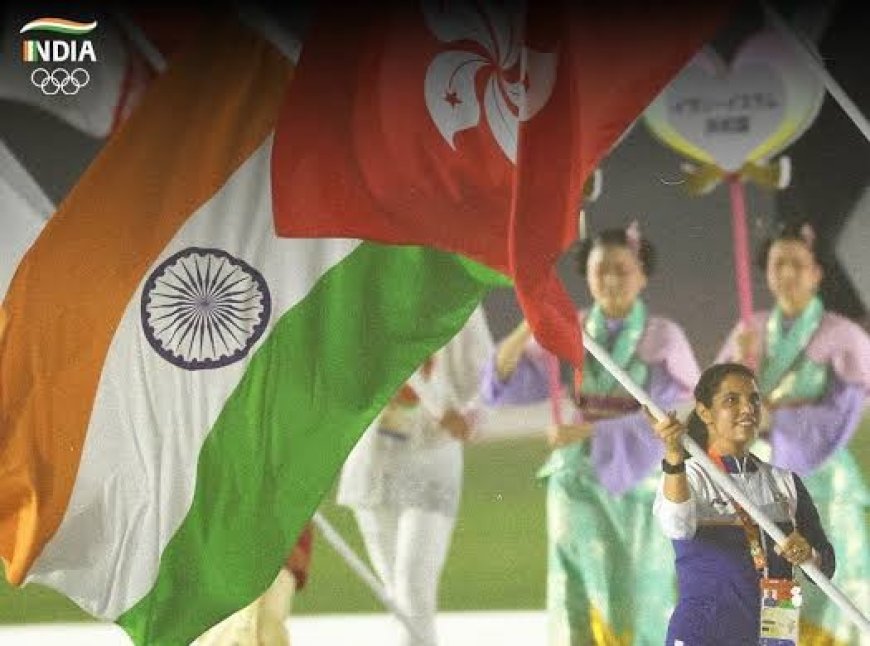
India’s contingent also joined the closing festivities, with double gold medallist and silver medallist Neeru Dhanda serving as the country’s flagbearer. Around 30 Indian athletes and officials, dressed in white and blue, took part in the athletes’ parade while waving the Tricolour.
The ceremony featured the traditional Japanese ‘bon-odori’ dance and a performance of ‘Matsuken Samba II’, showcasing Nagoya’s cultural identity.
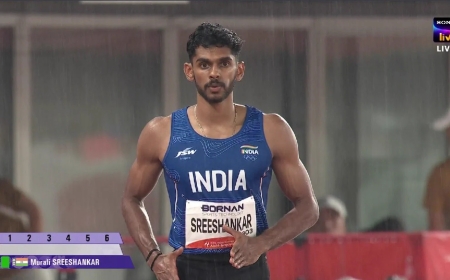
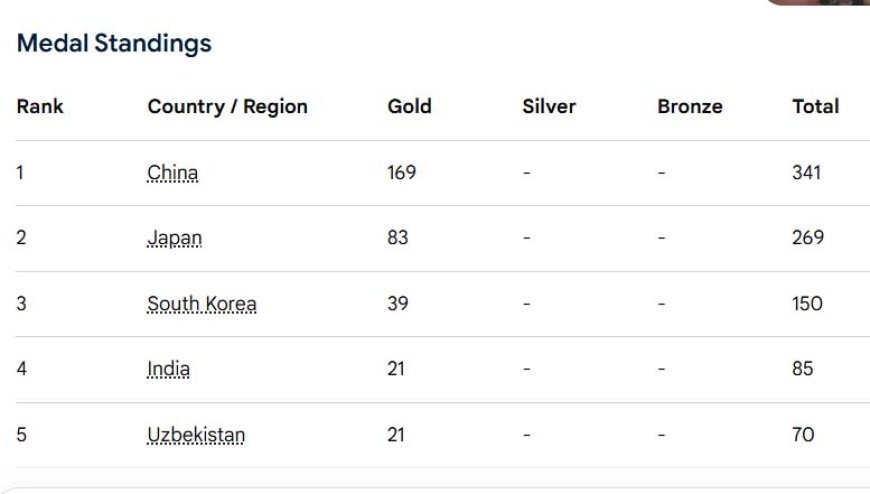
India ended the Games in fourth position with 85 medals — 21 gold, 27 silver and 37 bronze — 21 fewer than its record haul of 106 at Hangzhou.
China topped the standings for a 12th successive edition with 341 medals, including 169 gold. Japan finished second with 269 medals, while South Korea took third with 150.
The next Asian Games will be held in Doha in 2030.