













































































How charming is this 1,600-mile coastal drive!
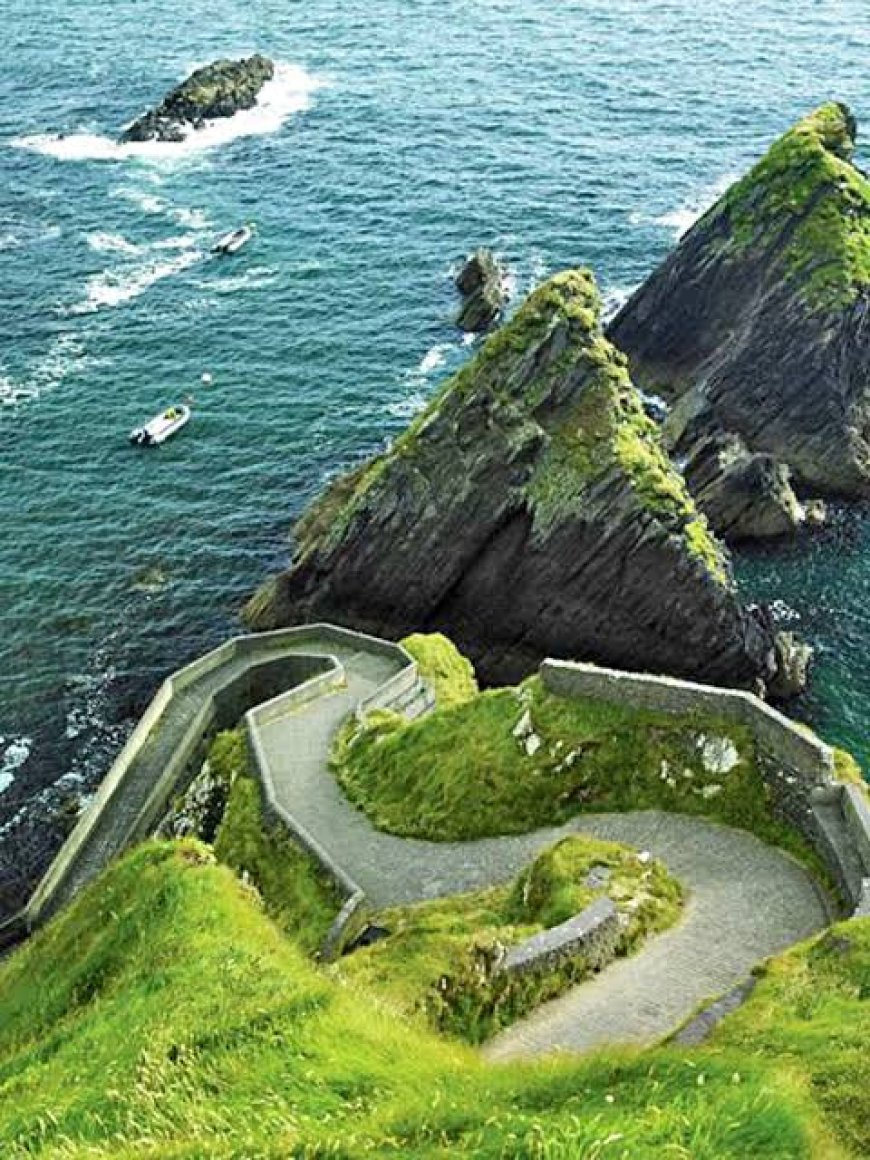
FEW places in the world match the drama and majesty of Ireland’s west coast, where the crashing Atlantic Ocean meets rugged cliffs and ancient drystone walls stretch across farmland speckled with thatched cottages.
For centuries, this wild, beautiful landscape has inspired poets, artists, and nature lovers, while generations of resilient communities have forged a deep connection to these often unforgiving surroundings.
That enduring relationship is also at the heart of the Wild Atlantic Way, Ireland’s first long-distance touring route, which Fáilte Ireland launched in 2014 along existing roads on the country’s western coast.
Spanning over 1,600 miles, the route starts in County Donegal in the north and traverses the western coast southward to County Cork.
The Wild Atlantic Way provides access to some of the Emerald Isle’s most historic and culturally alluring sites, including Skellig Michael, the Cliffs of Moher, the Burren, and Croagh Patrick.
Along the way, travellers are introduced to expansive sea views, ancient castles, wildflower meadows, and towns and villages where hyper-local seafood is served in award-winning restaurants and traditional music plays in pubs nearly every night.
Here’s what you should know before planning a drive along Ireland’s Wild Atlantic Way.
How to Plan a Trip
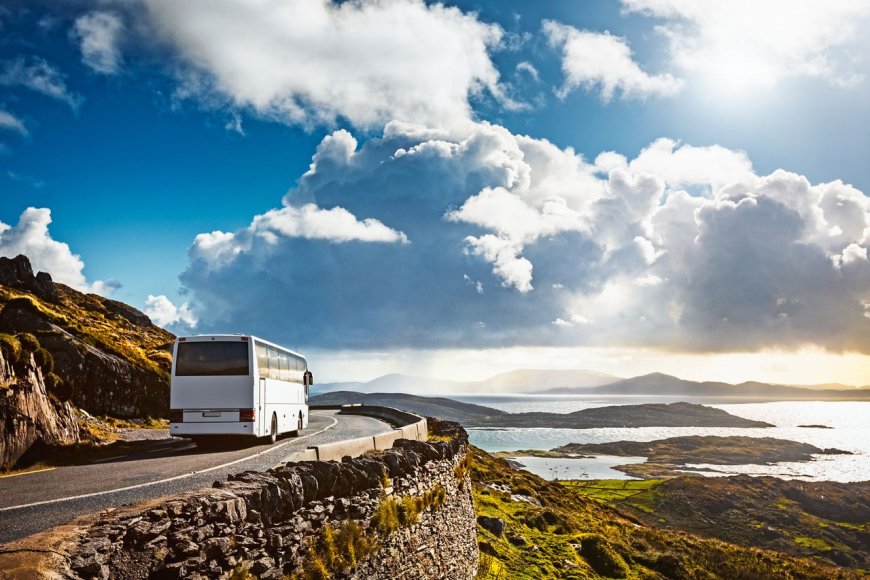
The Wild Atlantic Way is accessible via airports in Donegal, Cork, Shannon, and Kerry, as well as Ireland West Airport (NOC) in County Mayo. The City of Derry Airport (LDY) in Northern Ireland is another option.
To fully explore the route and all its points of interest, you’ll need to plan to spend several days, or even weeks, on the road. But if you only have a few days, choose a handful of landmarks or a few counties to explore.
The travel experts at Brendan Vacations offer an eight-day self-drive itinerary that maps out tailored experiences including accommodations and various tours along the route. Whichever leg you choose, you’ll be rewarded with fascinating historic sites and beautiful landscapes.
Best Time to Go
Ireland has a temperate coastal climate, making it possible to drive this route any time of year. If you’d prefer to explore with longer daylight hours, go in the summer. You will, however, find fewer crowds at popular stops if you travel in early spring or autumn. No matter the season, come prepared for heavy mist and rain, as weather can change quickly across the island.
Best Things to Do
See some of Ireland’s most iconic landscapes.
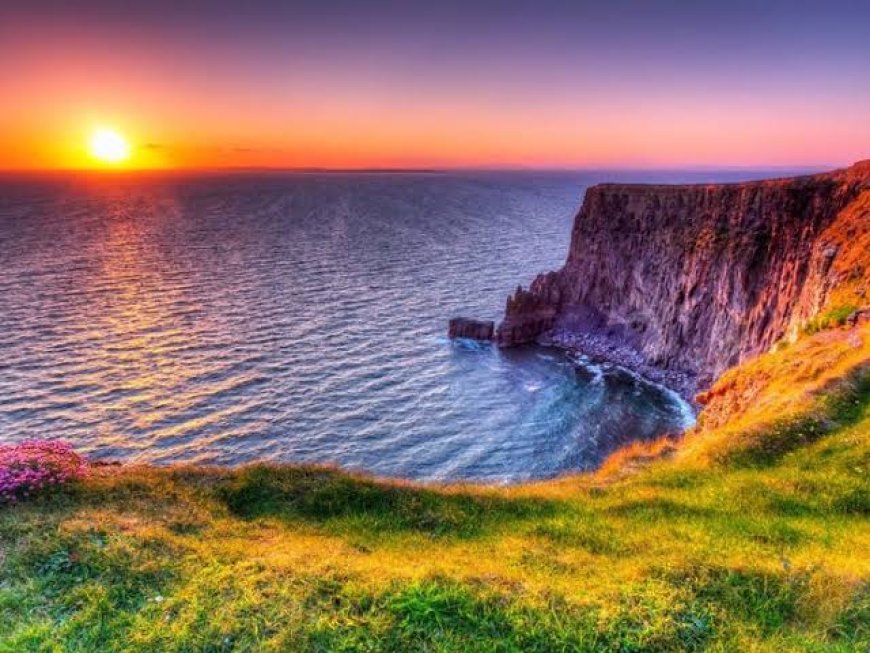
This stretch of the Emerald Isle is home to some of the country’s most famous sights—with dozens of beaches, towering cliffs, holy mountains, and islands you’ll want to explore.
Malin Head is the northernmost point on the Irish mainland, and with the right conditions, you may be able to see the aurora. Slieve League is a mesmerizing stretch of cliffs, among the highest in Europe.
The Burren, an expanse of limestone fields strewn with wildflowers, stone forts, and burial sites, shouldn’t be missed; it’s not far from the iconic Cliffs of Moher, either. The Dingle Peninsula and Blasket Islands are rewarding in any weather, and the Old Head of Kinsale, reaching into the Celtic Sea, has a lighthouse at its southern tip.
Visit historic ruins and sacred sites
From stone circles and Iron Age forts to Neolithic settlements, castle ruins, and mystical monasteries, there’s an intriguing glimpse into Ireland’s ancient past in every county along the route.
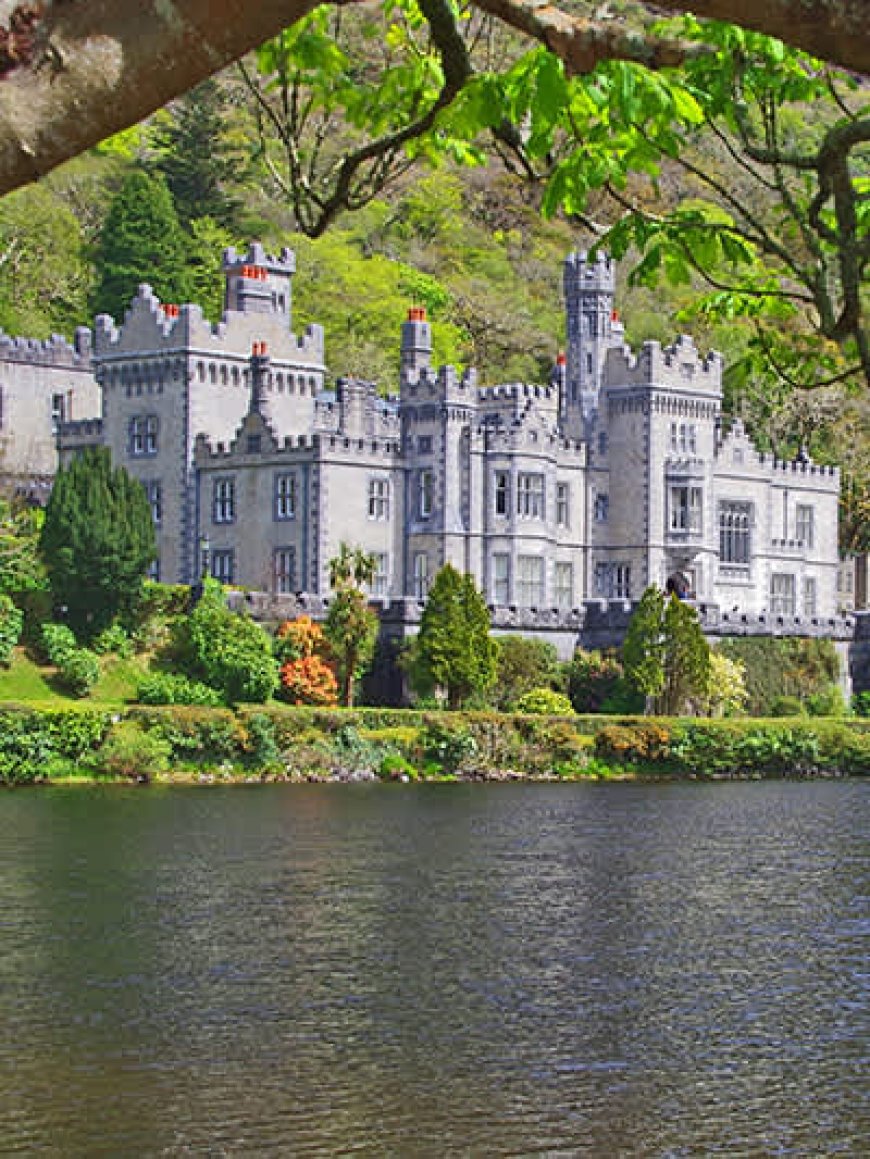
Stop at the country’s arguably best-preserved stone circle, Drombeg, in County Cork, and marvel at Ireland’s most extensive Neolithic field system, Céide Fields, in County Mayo. In County Galway, the 19th-century Kylemore Abbey, home to a Benedictine community since 1920, is set on 1,000 acres in Connemara.
In County Mayo, the ruins of a 15th-century Franciscan friary, Rosserk, are a haunting site on the banks of an estuary.
Go for a hike
At some point along your journey, you’ll probably want to get out of the car and step into the natural world. Short detours from the route will have you exploring national parks like Connemara, Glenveagh, and Killarney, to name a few.
You can hike along some epic trails, or link up with long-distance routes like the Beara, Sheep’s Head, or Dingle Ways. Wilderness Ireland offers several guided and self-guided hiking trips if you need help planning a custom experience.
Catch a boat to the islands
Along the route, you’re just a boat journey, ferry, or bridge away from wildlife-rich islands where historic traditions, passed down from generation to generation, are still practised.
You’ll find lighthouses and holy wells, standing stones, and beaches perfect for snorkelling, kayaking, or watching marine creatures and birds. Some of these destinations are uninhabited—including the UNESCO-listed Skellig Michael, home to a 6th-century clifftop monastery and colonies of nesting puffins, and Great Blasket Island, which was evacuated in the early 1950s.
Where to Stay, Eat, and Drink
County Donegal
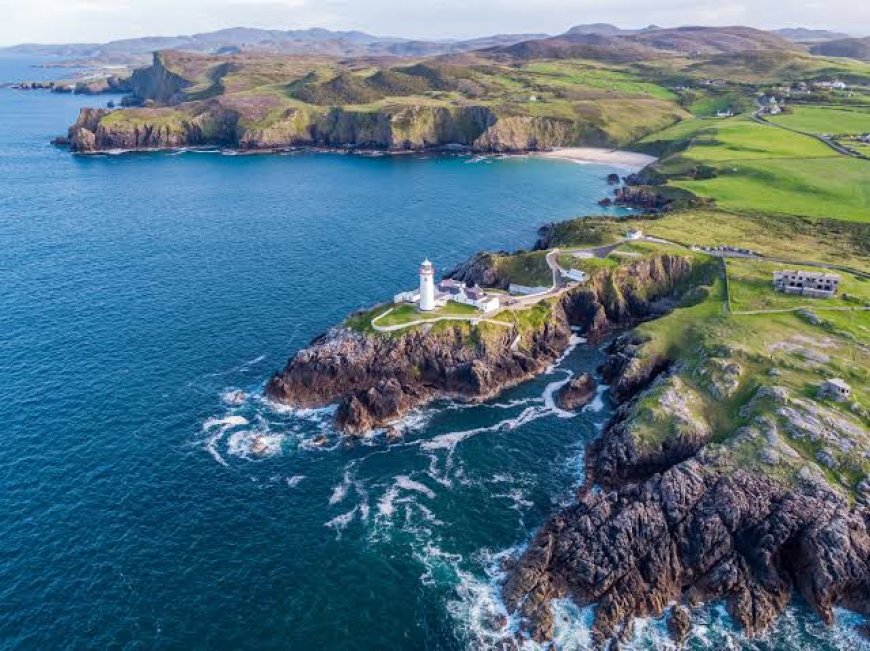
Ireland’s northernmost county is the starting point of the Wild Atlantic Way for many. Bordering Northern Ireland and the Atlantic, the mountains, rugged coastline, and cliffs are interspersed with seaside villages, historic sites, and more than 100 beaches. Stop in local favorites like Olde Glen Bar and Blas, located at The Gateway Lodge, and make overnight arrangements at Rathmullan House, Lough Eske Castle, or Breac.House.
Carrick-on-Shannon
Carrick-on-Shannon, located in County Leitrim, is a great place to look for food and lodging—although it’s a bit of a detour from the Wild Atlantic Way. The Landmark Hotel is a reliable choice, and multi-award-winning pub The Oarsman is a local favorite for seasonal produce, regional meat and fish, and craft beer and wine.
Westport
With dramatic mountain scenery, beaches, and ancient sacred sites like Croagh Patrick and Céide Fields, County Mayo is worth a trip on its own.
Post up in Westport, often considered Ireland’s most welcoming town, where you can stay at Knockranny House Hotel & Spa, which is set on a hillside overlooking Clew Bay. The Grace is within walking distance of the town center and local favorite restaurants like An Port Mor Restaurant and JJ O’Malley’s Bar & Restaurant. If you have time, seek out food truck Misunderstood Heron, right at the foot of Croagh Patrick, for Irish-roasted coffee and cakes.
Galway
Famous for lively festivals and pub culture, Galway City is a great place to stop off for a night or two. Stay at Glenlo Abbey Hotel & Estate, a Small Luxury Hotels of the World property with an on-site Michelin-starred restaurant, The Pullman, located inside two restored Orient Express carriages.
Kenmare
Spending some time in Kenmare will introduce you to some of the county’s most revered restaurants, pubs, and places to stay, such as the Sheen Falls Lodge, The Lansdowne, and Park Hotel Kenmare.
Mulcahy’s Bar & Restaurant and Rookery Lane Food & Lodging are always solid bets for seasonal local produce, beef, and seafood, while French bakery Maison Gourmet and grocer Heidi Ryan’s are perfect for stocking up on road trip provisions.
Limerick
County Limerick’s namesake city is Ireland’s third-largest, and it’s known for outdoor sports and rugby, ancient castles, outdoor markets, art galleries, museums, and a slew of modern hotels. No. 1 Pery Square is a Michelin Key boutique townhouse hotel with an organic spa and popular restaurant in Limerick’s historic Georgian Quarter. Hotel Savoy is another reliable option, with modern rooms, multiple dining options, and a spa.