


















































Have any traffic challan still unpaid? The amount may be added to your electricity bill
The Supreme Court has proposed adding unpaid traffic fines to electricity bills to improve recovery. With ₹20,000 crore in fines unpaid, the court emphasised the need for more effective measures than issuing e-challans.

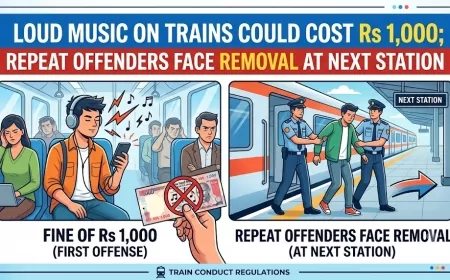
DO you have any traffic challans still unpaid? Now, you may get it added to your electricity bill.
On 28 September, the Supreme Court suggested ways to recover unpaid traffic fines. Around ₹20,000 crore in e-challan fines remain unpaid at the moment. The court said issuing e-challans alone was not enough.
Justice JB Pardiwala questioned the effectiveness of just issuing challans. He suggested linking unpaid fines to electricity bills instead. Authorities could recover money through other government dues as well.
Justice Pardiwala and Justice KV Viswanathan heard this matter together. The plea concerns electronic enforcement of traffic violations nationwide. This is part of a 2012 road safety petition. Coimbatore surgeon S Rajaseekaran originally filed this case.
Justice Pardiwala said police issue lakhs of e-challans regularly. But actual recovery of fines remains the real challenge.
States and UTs must recover around ₹45,000 crore total. So far, only ₹25,000 crore has been recovered.
The court said that the government must find better recovery methods. Merely issuing challans repeatedly does not solve the problem.
“It is not just sufficient to keep issuing e-challans. Police may issue thousands and lakhs of such e-challans. The question is recovery of fines as sought to be imposed by way of the e-challans,” the Bar and Bench quoted Justice Pardiwala as saying.
“If people are not paying traffic challans, add it to their electricity dues bill. They’ll have to pay electricity bills. Else, power line will be disconnected. Work it out. In this country, you have to find a way out,” the court added.
Judges discussed adding unpaid fines to electricity bills. People would then pay to avoid disconnection from power. The court insisted that a practical solution must be found.
Other measures
Other suggested measures included blocking vehicle registration renewals for defaulters. Duplicate certificates should also not be issued to them. Ownership transfer should be blocked until fines are cleared.
The court also suggested blacklisting such vehicles on the Parivahan portal. This would prevent any transfer of ownership of these vehicles.
Additional measures included withholding the issuance of fitness and pollution certificates. These would not be renewed until fines are paid.
The court also suggested blocking driving licence renewals for defaulters. Existing licences could also be suspended in serious cases.
The apex court pushed for stricter enforcement measures nationwide. It emphasised linking challan payments to essential government services.
This way, defaulters would feel real pressure to pay. The court wants concrete action, not just paperwork exercises.