














































‘Jantar Mantar is everywhere’: Indian diaspora holds global solidarity protests
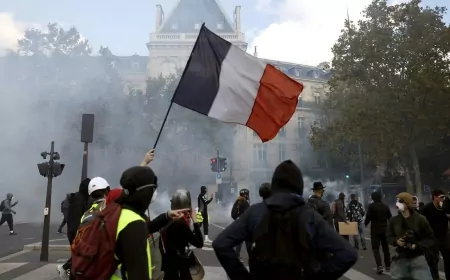
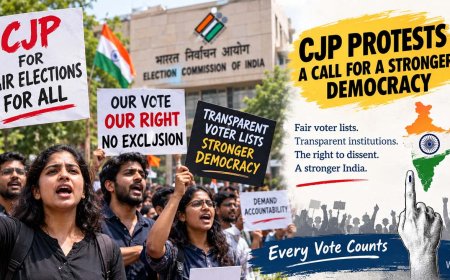
More than 70 members of the Indian diaspora and their allies gathered at the Spire in Dublin, Ireland, on Saturday, October 17, as part of coordinated international protests against the Special Intensive Revision (SIR) of electoral rolls in India. Demonstrators demanded the resignation of Chief Election Commissioner Gyanesh Kumar, rollback of the SIR, and restoration of voters’ names removed from electoral rolls.The demonstrations were held under the banner “Jantar Mantar is Everywhere”, with Indian diaspora groups and supporters organising rallies in more than 20 cities across countries in Europe, North America, and elsewhere. Protesters used speeches, songs, poetry, posters, and slogans to express solidarity with those demonstrating in India over electoral accountability and the right to peaceful dissent.According to the press note issued by South Asia Collective Ireland, the Dublin gathering included the reading of a collective statement, slogans of resistance, and the unfurling of the Indian national flag in solidarity with protesters who had been detained in India. Participants also recited poetry, sang songs, and raised calls for “Azadi”, linking demands for electoral accountability with concerns about restrictions on democratic freedoms.The Collective said its mobilisation began with a gathering of around 20 people at Dublin’s General Post Office (GPO) on October 10, in response to a call for protests at Jantar Mantar in New Delhi. The organisers said the group’s reach on WhatsApp and Instagram grew rapidly in the following week, prompting them to formalise their efforts as South Asia Collective Ireland.Sana (30), an organiser, said the group was initially formed to respond to protests over education reforms in Delhi in July and concerns about press censorship in India. She said the collective has since connected with community organisations in Ireland and diaspora groups elsewhere.“October 17 has definitely been our most successful yet, with over 70 people joining, lots of art and posters from a community of likeminded people, and lots of connections,” Sana said.Shreya (30), another organiser, said she has been working to establish a structure that would allow the group to sustain its activities in the long term. She said the turnout had more than tripled in a week, with participants bringing their own posters and taking part in songs, speeches, and poetry.One protester, Jibin Lawance (26), said he had initially been nervous about participating in demonstrations as an international student. However, he said the protection for peaceful dissent in Ireland had reinforced his belief that the same right should be upheld in India. “The biggest danger right now is that people back home are simply too scared to speak up against those in power,” he said, adding that the participation of young people in protests offered hope.Fiza (25) said participation in the demonstrations was a way for Indians living abroad to support democracy in their home country. “Protesting is a fundamental democratic right, not a threat to the nation,” she said, calling on the diaspora to demand accountability from the government.Protests across Europe and North AmericaThe Dublin gathering was part of a wider mobilisation that included demonstrations in Berlin and Göttingen in Germany, Barcelona in Spain, the Hague in the Netherlands, Gothenburg in Sweden, London in England, and several cities in Canada.According to the press release, around 300 people gathered at Oranienplatz in Berlin, while approximately 170 people protested outside the International Court of Justice in the Hague. Around 50 people participated in demonstrations in Gothenburg and Montreal, while more than 60 people of different nationalities joined the gathering in Göttingen. In London, hundreds attended a demonstration in Parliament Square.In Barcelona, around 20 people gathered at Plaça de Tetuan and recited the Preamble to the Indian Constitution before raising slogans against SIR and alleged unlawful police detentions.In Vancouver, Canada, more than 40 people gathered outside the Vancouver Art Gallery. The organisers said the demonstration coincided with British Columbia’s provincial election day, prompting participants to reflect on the contrast between exercising electoral rights locally and demanding electoral accountability in India.The Toronto protest took place outside the Consulate General of India. Organisers said it included readings of the Indian Constitution’s Preamble, revolutionary poetry, songs, and discussions about SIR and the treatment of activists in India.The groups involved said the protests were intended to sustain international attention on electoral rights, freedom of expression, and the treatment of people participating in demonstrations in India. Organisers also called for solidarity across national boundaries, saying that living in democratic countries gave the diaspora both the freedom and responsibility to speak out.The protests come
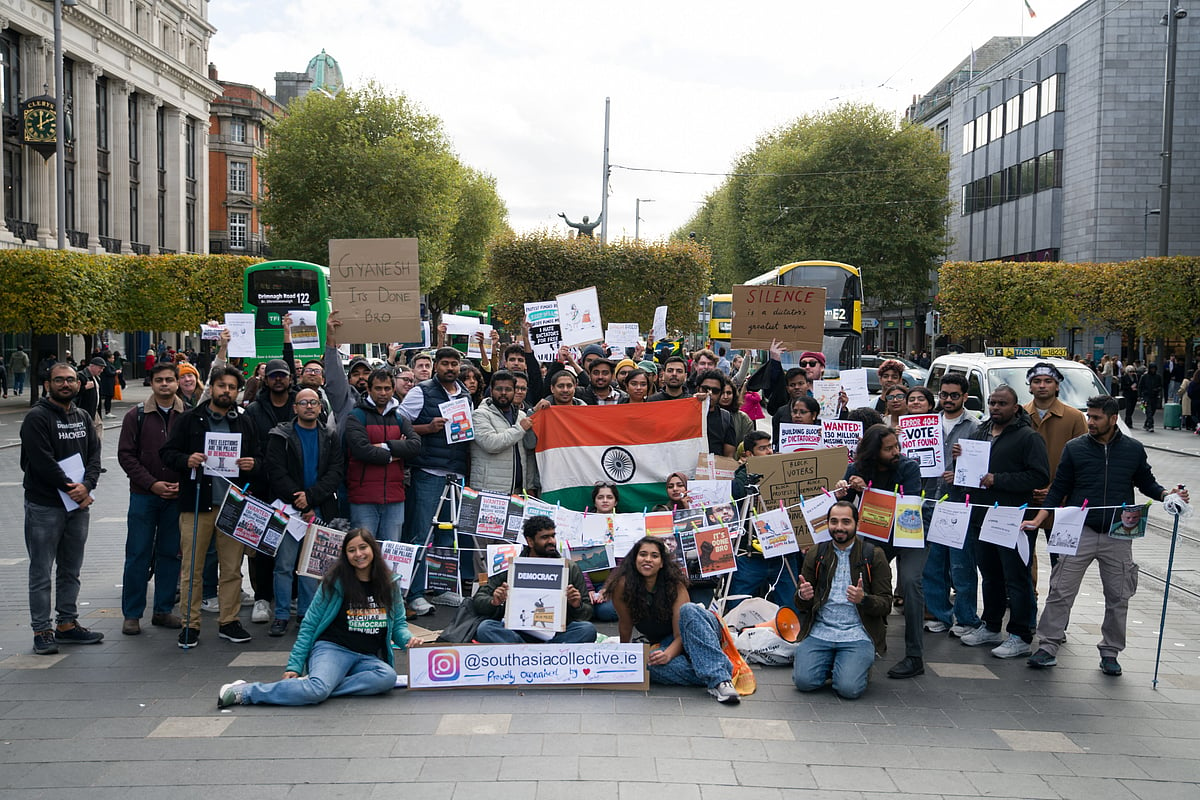
MORE than 70 members of the Indian diaspora and their allies gathered at the Spire in Dublin, Ireland, on Saturday, October 17, as part of coordinated international protests against the Special Intensive Revision (SIR) of electoral rolls in India.
Demonstrators demanded the resignation of Chief Election Commissioner Gyanesh Kumar, rollback of the SIR, and restoration of voters’ names removed from electoral rolls.
The demonstrations were held under the banner “Jantar Mantar is Everywhere”, with Indian diaspora groups and supporters organising rallies in more than 20 cities across countries in Europe, North America, and elsewhere.
Protesters used speeches, songs, poetry, posters, and slogans to express solidarity with those demonstrating in India over electoral accountability and the right to peaceful dissent.
According to the press note issued by South Asia Collective Ireland, the Dublin gathering included the reading of a collective statement, slogans of resistance, and the unfurling of the Indian national flag in solidarity with protesters who had been detained in India. Participants also recited poetry, sang songs, and raised calls for “Azadi”, linking demands for electoral accountability with concerns about restrictions on democratic freedoms.
The Collective said its mobilisation began with a gathering of around 20 people at Dublin’s General Post Office (GPO) on October 10, in response to a call for protests at Jantar Mantar in New Delhi. The organisers said the group’s reach on WhatsApp and Instagram grew rapidly in the following week, prompting them to formalise their efforts as South Asia Collective Ireland.
Sana (30), an organiser, said the group was initially formed to respond to protests over education reforms in Delhi in July and concerns about press censorship in India. She said the collective has since connected with community organisations in Ireland and diaspora groups elsewhere.
“October 17 has definitely been our most successful yet, with over 70 people joining, lots of art and posters from a community of likeminded people, and lots of connections,” Sana said.
Shreya (30), another organiser, said she has been working to establish a structure that would allow the group to sustain its activities in the long term. She said the turnout had more than tripled in a week, with participants bringing their own posters and taking part in songs, speeches, and poetry.
One protester, Jibin Lawance (26), said he had initially been nervous about participating in demonstrations as an international student. However, he said the protection for peaceful dissent in Ireland had reinforced his belief that the same right should be upheld in India.
“The biggest danger right now is that people back home are simply too scared to speak up against those in power,” he said, adding that the participation of young people in protests offered hope.
Fiza (25) said participation in the demonstrations was a way for Indians living abroad to support democracy in their home country. “Protesting is a fundamental democratic right, not a threat to the nation,” she said, calling on the diaspora to demand accountability from the government.
Protests across Europe and North America
The Dublin gathering was part of a wider mobilisation that included demonstrations in Berlin and Göttingen in Germany, Barcelona in Spain, the Hague in the Netherlands, Gothenburg in Sweden, London in England, and several cities in Canada.
According to the press release, around 300 people gathered at Oranienplatz in Berlin, while approximately 170 people protested outside the International Court of Justice in the Hague. Around 50 people participated in demonstrations in Gothenburg and Montreal, while more than 60 people of different nationalities joined the gathering in Göttingen. In London, hundreds attended a demonstration in Parliament Square.
In Barcelona, around 20 people gathered at Plaça de Tetuan and recited the Preamble to the Indian Constitution before raising slogans against SIR and alleged unlawful police detentions.
In Vancouver, Canada, more than 40 people gathered outside the Vancouver Art Gallery. The organisers said the demonstration coincided with British Columbia’s provincial election day, prompting participants to reflect on the contrast between exercising electoral rights locally and demanding electoral accountability in India.
The Toronto protest took place outside the Consulate General of India. Organisers said it included readings of the Indian Constitution’s Preamble, revolutionary poetry, songs, and discussions about SIR and the treatment of activists in India.
The groups involved said the protests were intended to sustain international attention on electoral rights, freedom of expression, and the treatment of people participating in demonstrations in India. Organisers also called for solidarity across national boundaries, saying that living in democratic countries gave the diaspora both the freedom and responsibility to speak out.
The protests come amid growing controversy over the Election Commission of India’s SIR exercise, which involves revising electoral rolls to identify eligible voters and remove ineligible or duplicate entries. Protesters have alleged that the process has excluded large numbers of eligible voters, including people from marginalised communities.
The controversy has fuelled demonstrations demanding Gyanesh Kumar’s resignation.