


















































Dipke, Das, and Ranka released, but with a condition. What do BNSS Sections 126, 170 say?
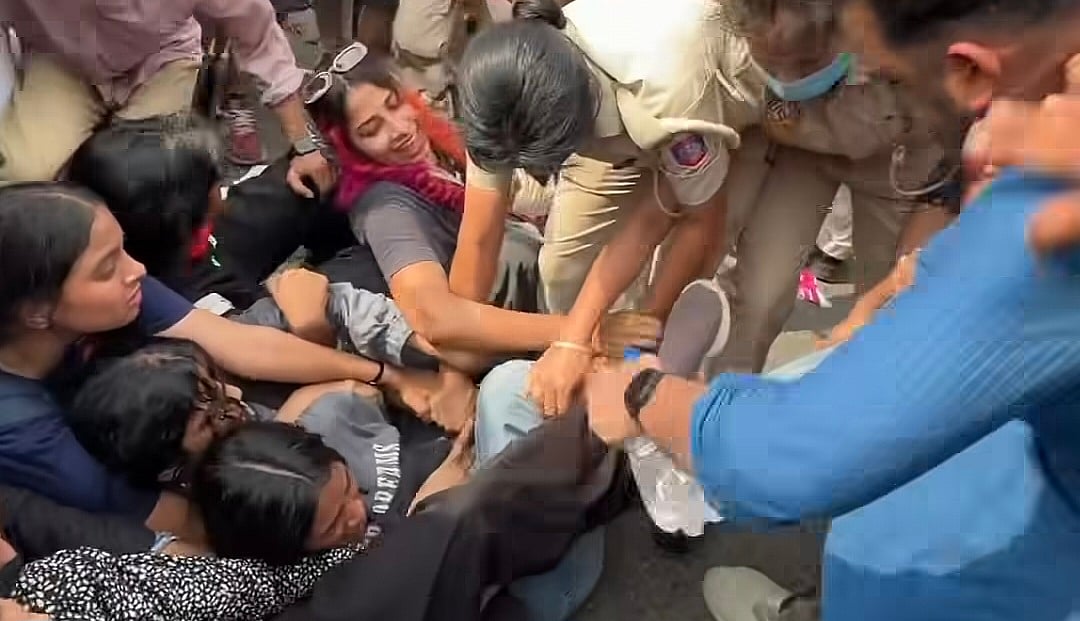
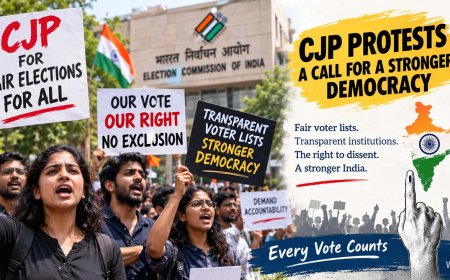
Cockroach Janta Party (CJP) leaders Abhijeet Dipke, Ashutosh Ranka and Saurav Das was among thousands of protesters detained by the Delhi Police ahead of the Jantar Mantar protest against Chief Election Commissioner (CEC) Gyanesh Kumar on Saturday.

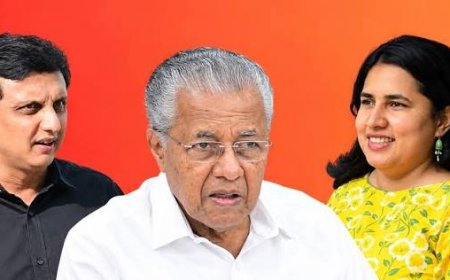
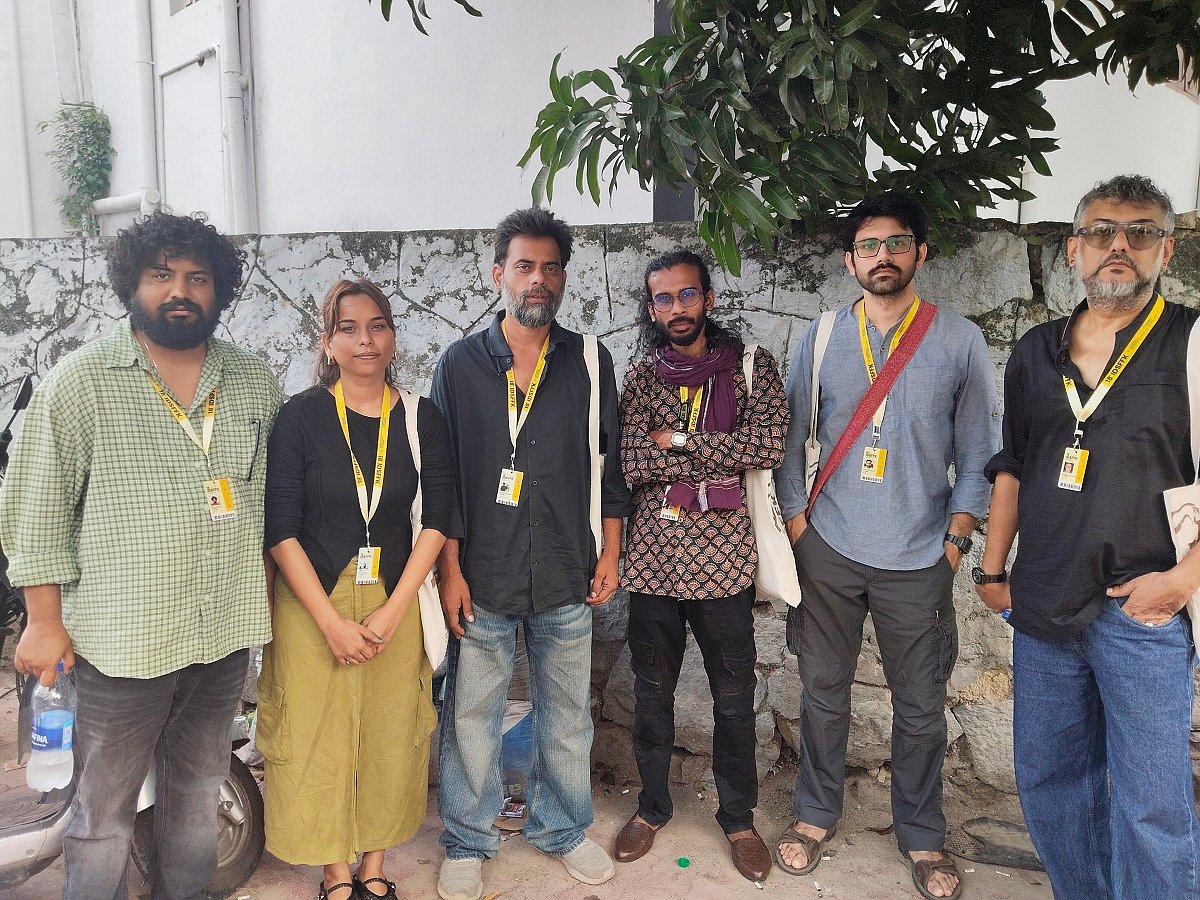
COCKROACH Janta Party (CJP) leaders Abhijeet Dipke, Ashutosh Ranka and Saurav Das were released from detention on a special court’s order on Sunday, a day after they were placed under “preventive arrest” by the Delhi Police.
The trio was among thousands of protesters detained by the Delhi Police ahead of Saturday's Jantar Mantar protest against Chief Election Commissioner (CEC) Gyanesh Kumar.
Dipke, Das, and Ranka were produced before the Special Executive Magistrate court in Delhi Cantt on Sunday, CJP’s legal head Ratna Sinha informed in a post on X.
“A Delhi police official informed me about this in the morning. As CJP's Legal Head, I will be at the police station along with other advocates representing us," Singh said in a post on X.
She said they were charged under Sections 126 and 170 of Bharatiya Nagarik Suraksha Sanhita (BNSS).
Sinha later informed that the Executive Magistrate court released Abhijeet Dipke, Saurav Das and Ashutosh Ranka on a condition: “no breach of peace for one year." The Delhi Police said a “surety bond” of ₹50,000 was also signed.
Soon after, the Delhi Police also confirmed the development, saying, “Preventive arrest u/s 126/170 BNSS of Sh. Abhijeet Dipke, Sh. Ashutosh Ranka and Sh. Saurav Das was done on 10.10.2026."
“All due legal procedures were followed, and they were produced before the SEM Court, Delhi Cantt, on 11.10.2026,” police said.
They added that a bail bond, a "Surety Bond of ₹50,000/- was filled for maintaining peace and good behaviour, for a period of one year, and they were released by the SEM Court."
What do BNSS Sections 126 and 170 say? Explained
BNSS Sections 126 and 170 were reportedly invoked against the CJP leaders.
Section 126 pertains to the security for keeping the peace, and Section 170 allows “arrest to prevent commission of cognisable offences.”
Under Section 126(1) BNSS, if an Executive Magistrate receives information about a person likely to commit a “breach of the peace or disturb the public tranquillity or to do any wrongful act”, they can require the person to show cause why they should not be ordered to execute a bond to keep the peace for up to a year.
If the person fails to show cause, or if the Magistrate is satisfied there are sufficient grounds, they will order the person to execute the bond. If a person fails to furnish the bond, the Magistrate shall hold an inquiry into the matter, according to Vidhikarya Law Chambers.
Section 170, meanwhile, provides a provision to “arrest” an individual “to prevent the commission of cognizable offences.”
Under Section 170 of the BNSS, police must have a legally required basis to believe that an offence is being planned or might occur and that an arrest is necessary to prevent it.
Section 170 of the BNSS says:
1. A police officer knowing of a design to commit any cognizable offence may arrest, without orders from a Magistrate and without a warrant, the person so designing, if it appears to such officer that the commission of the offence cannot be otherwise prevented.
2. No person arrested under sub-section (1) shall be detained in custody for a period exceeding twenty-four hours from the time of his arrest unless his further detention is required or authorised under any other provisions of this Sanhita or of any other law for the time being in force.
Why was CJP team detained?
CJP leaders Abhijeet Dipke, Ashutosh Ranka and Saurav Das were detained immediately after their plane from Mumbai landed in Delhi.
A video also emerged on social media showing police personnel entering the aircraft Dipke was on board at Delhi airport.
"Aray mai arrest hone ke liye hi aaya hun. Karlo arrest [I have come here to be arrested; arrest me]," Abhijeet Dipke told Delhi police personnel as they asked him to “cooperate.”
"No, this is not an arrest. Please cooperate," the Delhi Police personnel told Dipke. The video shows Dipke joining hands and asking officials if he could at least take his bag along.
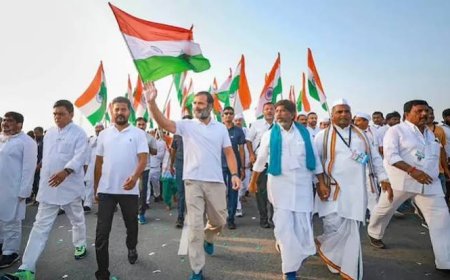
The detention came amid an unprecedented security clampdown in Delhi, where more than 7,000 protesters were detained at multiple locations, preventing protesters from reaching Jantar Mantar, police sources told PTI.
Several opposition leaders, including former chief ministers Arvind Kejriwal, Mamata Banerjee, Pinarayi Vijayan and Manik Sarkar, were also detained while attempting to join the protest.
The CJP has renewed its call for a protest at Jantar Mantar on Sunday as police continued their heavy security arrangements, with over 30,000 police and paramilitary personnel to be deployed in the city.
The CJP and opposition parties have been demanding the resignation of Chief Election Commissioner Gyanesh Kumar over alleged irregularities in the Special Intensive Revision of voter rolls.
YouTuber Dhruv Rathee, who was detained by Delhi Police ahead of the Cockroach Janta Party's (CJP) protest at Jantar Mantar, was released late on Saturday night, an official said.
"He can be detained again, or further legal action might be taken if he tries to go to Jantar Mantar despite prohibitory orders," a police source told PTI on Sunday.
Rathee was detained from his residence in Gurugram's Sector 56 on Saturday as police stepped up security across Delhi to prevent protesters from reaching Jantar Mantar.