















































Cheruvayal Raman, guardian of Wayanad’s rice heritage, dies at 74
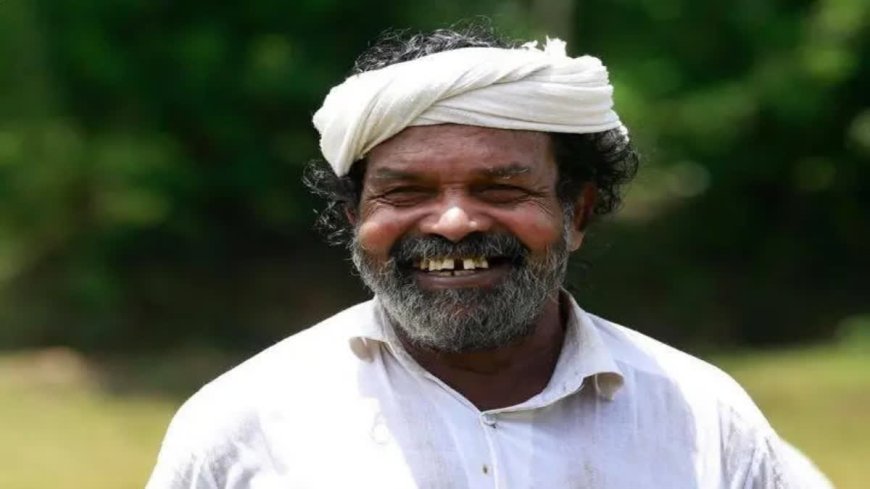
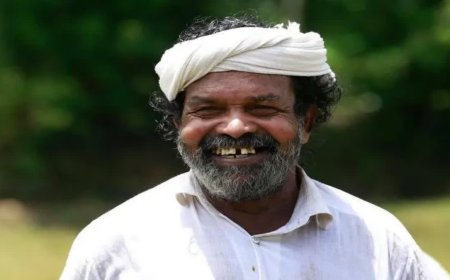
CHERUVAYAL K. Raman, the tribal farmer who devoted his life to preserving Wayanad’s traditional rice varieties and earned a place among the country’s distinguished conservationists, died at the age of 74 on Wednesday, 14 October.
Born on June 6, 1952, at Mananthavady, Raman belonged to the Kurichya tribal community. He began farming at the age of 10 and went on to become a respected name in organic farming, biodiversity conservation and sustainable agriculture, drawing on traditional knowledge rather than formal scientific training.
Known affectionately as ‘Vithachan’, or the father of seeds, Raman was a custodian of agricultural heritage at a time when traditional farming practices were steadily giving way to modern methods.
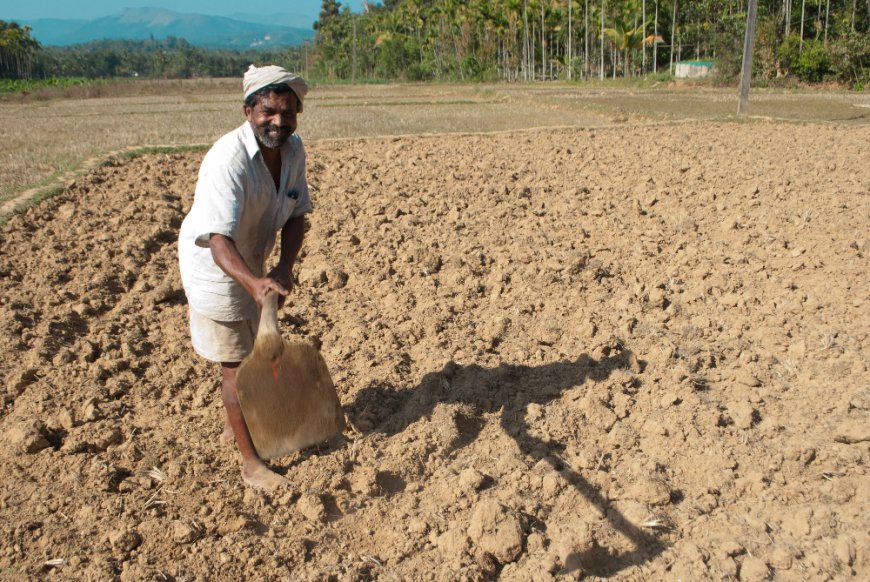
His modest three-acre farm at Kammana in Wayanad became a living repository of indigenous rice varieties, along with trees, herbs and spices that he painstakingly preserved over decades.
Without formal training in botany or agricultural science, Raman relied on the knowledge passed down through generations and his own experience as a farmer.
He conserved more than 55 traditional rice varieties, safeguarding seeds that might otherwise have disappeared as cultivation of indigenous paddy declined among the Kurichya community.
For Raman, preserving seeds was not merely an agricultural pursuit but a responsibility towards future generations.
Seed bank was built on trust, not trade
A member of the Kurichya tribe, he grew up in a community where farming was deeply woven into everyday life. As joint families increasingly moved away from traditional rice cultivation, he continued to protect the varieties inherited from his ancestors, treating them as a collective treasure rather than private property.
His commitment extended beyond his own fields. Through an informal network of farmers, he encouraged the exchange of traditional seeds, asking recipients to return an equivalent quantity after the next harvest. He believed seeds should be shared, not sold, and saw their preservation as a responsibility to future generations.
Raman firmly opposed treating seeds as a commercial commodity.
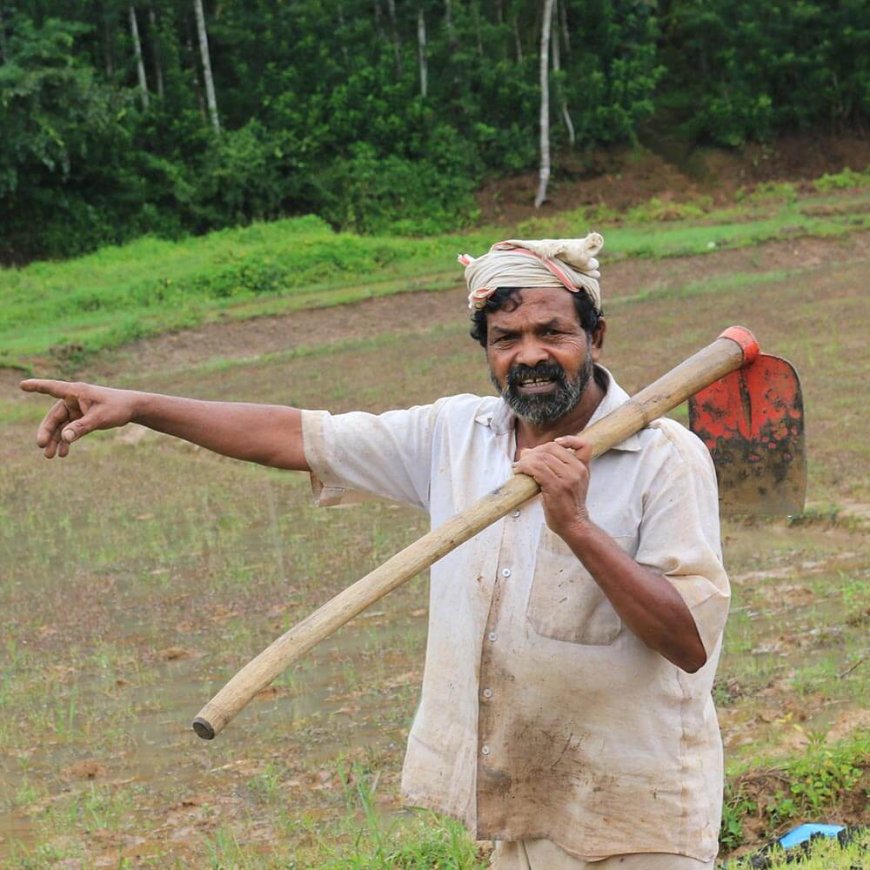
For him, their value lay in the care with which they were preserved and the goodwill through which they were shared. He believed that the survival of traditional agriculture depended on farmers helping one another rather than placing a price on their common heritage.
Raman’s significance lay not in the size of his holding or the scale of his resources, but in the remarkable diversity he kept alive through years of patient work.
At a time when the loss of traditional crop varieties has emerged as a concern for agricultural sustainability, his farm stood as an example of how local knowledge and individual commitment could protect a vital part of the country’s natural and cultural heritage.
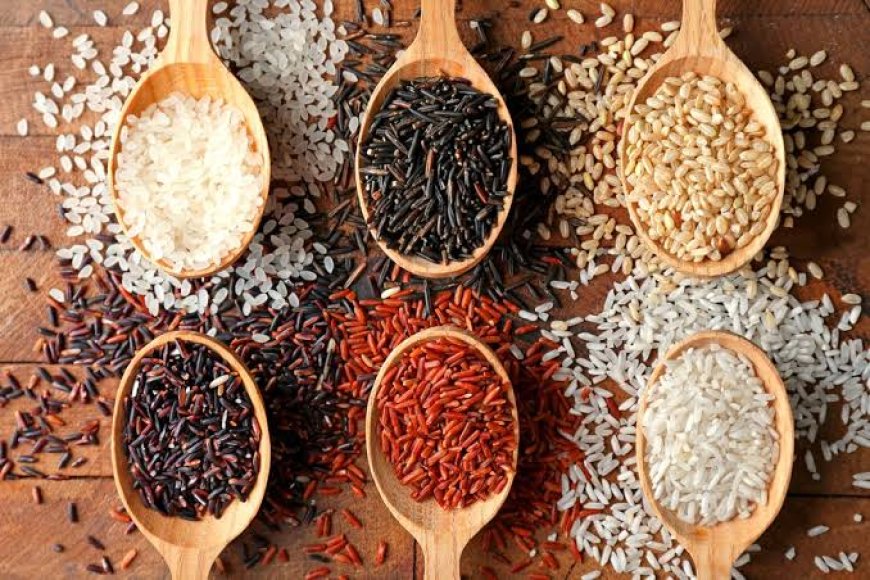
Over 50 traditional paddy varieties preserved
Over the years, he preserved more than 50 traditional paddy varieties, along with different types of banana plants, trees, herbs and spices on his three-acre farm.
His collection included Palthondi and Kayama, two traditional rice varieties used as gene donors in the development of rice varieties at Kerala Agricultural University.
The pepper variety Uthirankotta from his collection also contributed to the development of Panniyur-1, a widely cultivated pepper variety in Keralam.
As traditional paddy cultivation declined among farming families, Raman continued to conserve indigenous seeds and encouraged others to grow them.
Recognition and awards
His work won recognition at the national and state levels.
He received the prestigious Plant Genome Saviour Award from the Protection of Plant Varieties and Farmers’ Rights Authority for his contribution to conserving plant genetic resources and protecting farmers’ traditional knowledge.
In 2023, he was selected for the Padma Shri, one of India’s highest civilian honours, in recognition of his sustained efforts to preserve the country’s agricultural biodiversity.
The Kerala State Biodiversity Board honoured him as a Green Individual in 2012. In 2015, the Indian Institute of Rice Research recognised his contribution to the adoption and popularisation of rice varieties and technologies.
Raman was invited to the 30th International Conference on Nature in Brazil in 2018.
He also received recognition from Tamil Nadu Agricultural University and took part in the Kerala State Biodiversity Congress in 2019. Agricultural and environmental organisations across the country invited him to share his experience in organic farming and conservation.
CM remembers Cheruvayal Raman
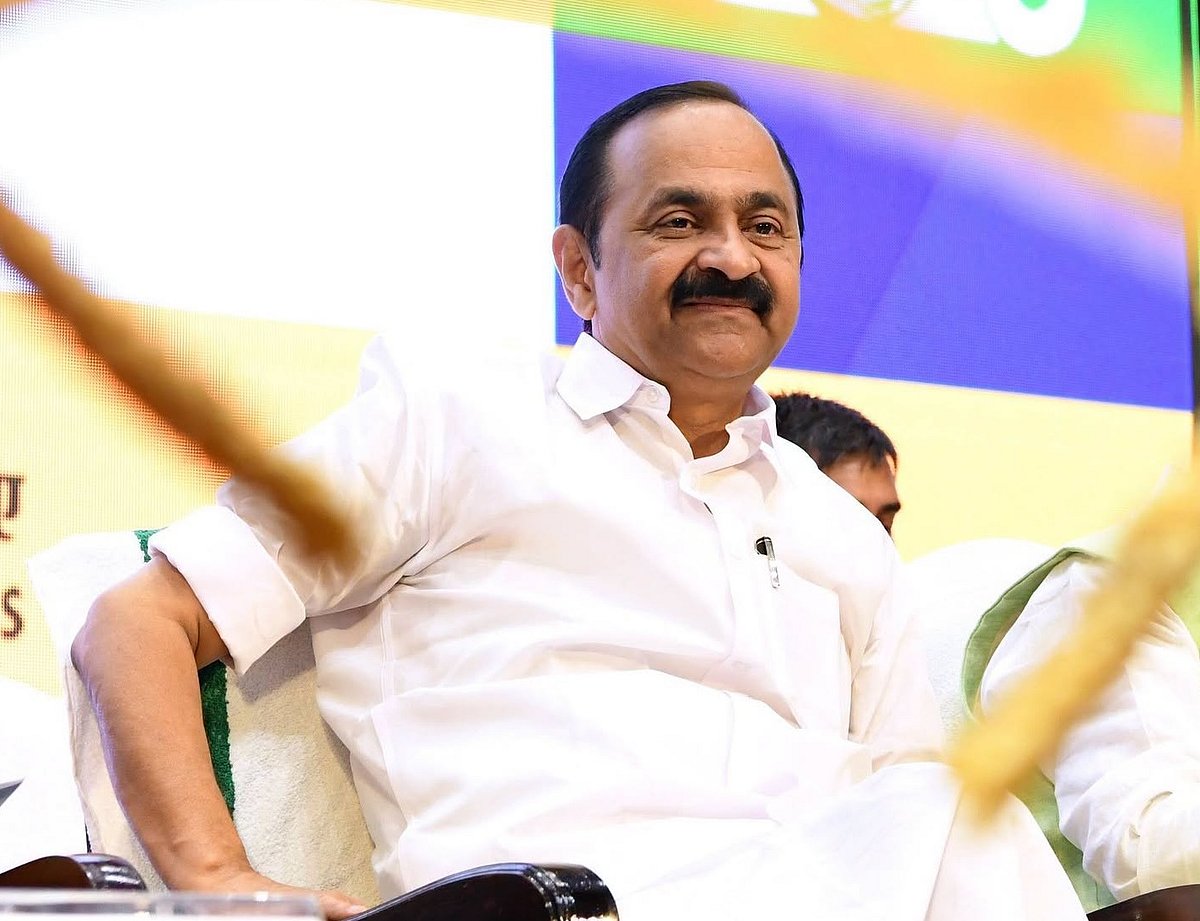
Chief Minister V.D. Satheesan has condoled the demise of Cheruvayal K. Raman.
In his condolence message, Satheesan said Raman had preserved indigenous paddy varieties that might otherwise have disappeared, safeguarding Keralam’s agricultural heritage for future generations.
Raman’s life demonstrated that farming was not merely a livelihood but a responsibility towards the soil and nature, he said.
Describing Raman’s death as an irreparable loss to Keralam’s agricultural sector and heritage conservation, Satheesan said the seeds he preserved carried hope for future generations.
Protecting that legacy would be the most fitting tribute to the farmer, he added.