







































From 'crackdown' to 'clashes': How Western media described CJP's protest in India and student demonstration in France
Two student-led movements in India and France have drawn global attention, but how have Western outlets told their stories? From headlines to the voices they highlight, a closer look at coverage raises questions about language, emphasis and how readers come to understand the protests taking place.

OCTOBER saw two different student-led protest movements in two different parts of the world.
One took place in India after the satirical outfit Cockroach Janta Party (CJP) demanded Chief Election Commissioner (CEC) Gyanesh Kumar's resignation.
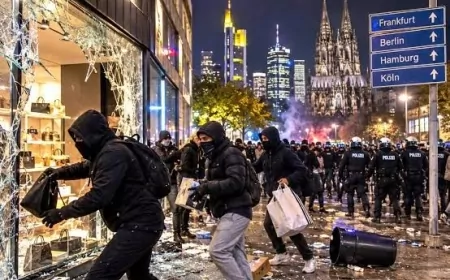
The other has been ongoing in France, where peaceful student protests demanding adequate education funding and action on teacher shortages gained widespread support and expanded into a broader movement against the high cost of living, with violence erupting in some places.
Two different protests, two different groups, but a somewhat similar agenda: seeking structural reforms. And while the ideas behind the protests share similarities, has their coverage differed?
“Clash” and “crackdown” may seem similar at first glance, but they tell different stories. A clash suggests a confrontation between two sides, while a crackdown highlights authorities acting to suppress or restrict protests. This distinction raises a question: does Western media describe student-led protests in India differently from those in France?
How did Western outlets describe India’s protests?
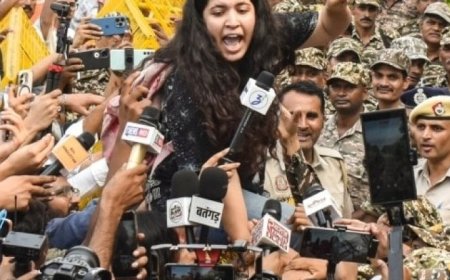
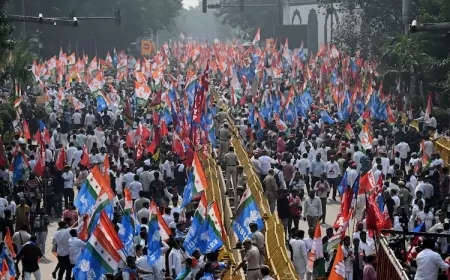
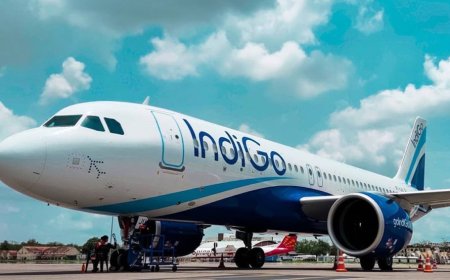
On 10 October, ahead of the scheduled CJP protest at Jantar Mantar in New Delhi, where thousands of people were expected to join, Delhi Police personnel detained over 2,000 protesters, along with some leaders of the outfit that organized the demonstrations, before they could reach the site.
Reuters, while covering the same incident, headlined its story "India detains thousands, locks down Delhi to foil election chief protest."
The report detailed police deployments, internet restrictions and transport closures, placing the authorities’ actions at the centre of the account. It wrote, "Thousands of police and paramilitary personnel were deployed across the city, mobile internet services were suspended in the central business district, and dozens of metro stations and markets were shut as authorities moved to stop a demonstration organized by the Cockroach movement."
Similarly, The Guardian covered the protests and headlined the story, "‘Cockroach’ leader among thousands detained in Delhi protest crackdown."
It wrote, "Indian authorities have placed Delhi under a severe lockdown and detained tens of thousands of people, including the leader of the youth-led “Cockroach” movement, in an attempt to stop an anti-government protest."
Earlier, on 20 July, CJP supporters demanding the resignation of then Education Minister Dharmendra Pradhan attempted a ‘Chalo Sansad’ march. The Associated Press headlined its report, ‘India police use tear gas to stop march on Parliament by Cockroach movement supporters.
Similar headlines emphasizing the police and government actions were seen across several Western media outlets, including The Wall Street Journal. Covering the 10 October protest, WSJ headlined the report, "India Locks Down Heart of Capital to Thwart Voter Rights Protest." In another report, it read, “Young Protesters Are Putting India’s Modi on the Defensive.”
How did Western media describe protests in France?
A Reuters report on 2 October focused on students and police "clashing" as France struggled to contain school protests, which began in September.
The report's headline read, "Students and police clash as France struggles to quell school protests."
While the initial reporting covered tear gas, fireworks aimed at police, and burning trash cans, the coverage did not focus solely on demonstrators' conduct.
The news agency later reported that France suspended stun grenades after a teenager lost a hand during protests. That account included allegations of disproportionate police force and the government’s announcement of investigations.
Similar reporting in The Guardian scrutinised French policing, including accusations that officers had used excessive force against students. In its 6 October report, titled "‘This is state violence’: Paris students rage at politicians and heavy-handed policing," the emphasis was on demonstrators' accounts.
On 25 October, AP's coverage of the weekend protests in France was headlined, "More than 400,000 protest across France, challenging Macron as Paris clashes erupt. The story subsequently highlighted how "students and workers are angry."
A WSJ report covering the France protests headlined its report, "What’s Behind the Protests in France and What Happens Next."
A similar, more subtle headline appeared in The Washington Post on 6 October: "Protests sweep France, as student walkouts tap into public discontent."
Coverage of the French protests combined explanations of students’ demands and wider economic grievances with reports of violence, damage to businesses and allegations of excessive police force. The emphasis varied across outlets and individual reports, rather than following a single approach.
What does the difference in wording show?
Pradip K Bagchi, a senior journalist and media educator, argues that historical inequalities influence Western media coverage of the Global South. He said, "Historically, Western media have reflected a certain degree of bias against the Global South. It is perhaps more to do with the West's continued cultural dominance, which is reflected in the media ecosystem."
Bagchi also said subtle differences in wording can shape the broader framing of an event. “Nuanced usage of words builds the larger narrative, like the difference between clashes and crackdown,” he said.
Abhijit Mazumdar, Assistant Professor at FLAME University, Pune, meanwhile, questioned whose experiences were represented in the coverage of the Indian protests.
He said, "Missing from the Western press are views of the common people who were impacted, those who missed their flights, those who could not take their loved ones to hospital."