


















































Anna Rajan’s Pongala apology shows how voyeurism shames women, not voyeurs
The internet rapidly moves from one viral moment to another, but the women in those frames are rarely allowed that. “With folded hands and tears in my eyes… If my saree, my expressions, or anything about me unintentionally hurt the sentiments of any devotee, I sincerely seek forgiveness…” wrote actor Anna Rajan after some online platforms circulated clips of her from the Attukal Pongala in Kerala. Anna was at the temple festival in Thiruvananthapuram, like thousands of other women, cooking rice porridge in an earthen pot as an offering to the goddess. But cameras surrounded her, capturing every movement, fixating on exposed skin peeking through her saree, ultimately drawing hate and slut shaming in social media comment boxes. The cyber harassment got so overwhelming that the actor posted an apology when, in fact, all she had done was go about her business, like anyone else at the Pongala festival.“In between this sacred moment, some unwanted videos and clips were captured and shared. I trusted and respected everyone around me, including the media. It truly hurt me to see certain moments highlighted in a way that took away from the devotion of that day,” Anna further wrote.What becomes evident here is how, despite no fault of the actor, it was she who had to endure sexist hate and apologise for her “saree”, “expressions”, or “anything” about her.However, Anna is not the sole victim of this voyeuristic onslaught. She is perhaps the only one who responded to it out of distress.The Pongala festival, celebrated on March 3, was followed by endless clips of women devotees flooding social media. The paparazzi cameras mostly focused on actors like Anna, Chippy Ranjith, and several others, zooming in on their bodies. The videos were shot from sexually suggestive angles, making sure not to miss the slightest of movements: a peek of cleavage, a bend accentuating the torso, a bra strap showing, or a moment of rest when the women would adjust their sarees. As well-known faces, most women are seen struggling to appear pleasant, even amidst the scorching heat and invasive gaze. Anna herself is seen offering food to the cameramen, perhaps in a bid not to antagonise them and trigger controversy. While some of the other women politely tell the cameras off, others immediately cover their cleavage up. In a particular clip, a young girl’s mother is seen handing her a towel to wrap around her upper body as soon as the camera lens turns towards her.These videos, shared on social media pages including the infamous Neelakuyil Media, have millions of views and shares. The comment boxes are breeding grounds for misogyny, pinning all the blame on the women, with few and far comments asking platforms to stop sexualising them.The comment boxes further encourage religious profiling of the women, degrading non-Hindus like Anna, accusing them of “using the festival to garner attention”. This is perhaps why Anna, in her apology, wrote, “This was my very first time offering Pongala at Attukal Amma’s holy feet…Amma knows my heart. She knows the struggle, the heat, the prayers, and the sincerity behind my smile. That truth is enough for me.”This paparazzi ‘trend’ of following and filming every celebrity, especially women, and offering them for public dissection through social media is relatively new in India. But its trajectory has been so rapid that such non-consensual filming is almost expected by most public personalities even when they step out for private events.While social media harshly criticises most celebrities, paying no regard for their mental state or right to simply be, women are targeted disproportionately. Their bodies are visually consumed, almost with a sense of entitlement. The reasoning is that they ‘choose to be public personalities’ and are therefore, ‘obligated to put up’ with such harassment. Any attempt to be discreet or even show the slightest irritation ends up with the women in another social media spiral of hate, where they are branded ‘insolent’ on top of being sexualised. Either way, the cycle is especially vicious for women, who are guilt-tripped and trapped in an image they have not consented to or have no control over.Anna’s apology only underlines the misogynistic entitlement that swallows women alive, with the aid of the camera lenses that survey them round the clock. Two questions beg to be asked here, one directed outward and the other, inward: why are such media platforms given free rein in public places, and why are these clips being watched again and again?Views expressed are the author’s own.
THE internet rapidly moves from one viral moment to another, but the women in those frames are rarely allowed that.
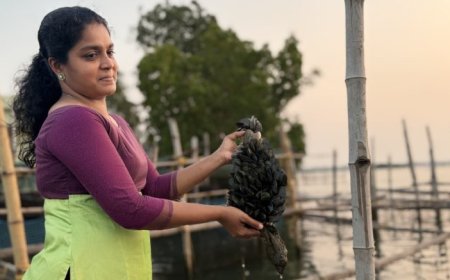
“With folded hands and tears in my eyes… If my saree, my expressions, or anything about me unintentionally hurt the sentiments of any devotee, I sincerely seek forgiveness…” wrote actor Anna Rajan after some online platforms circulated clips of her from the Attukal Pongala in Kerala.
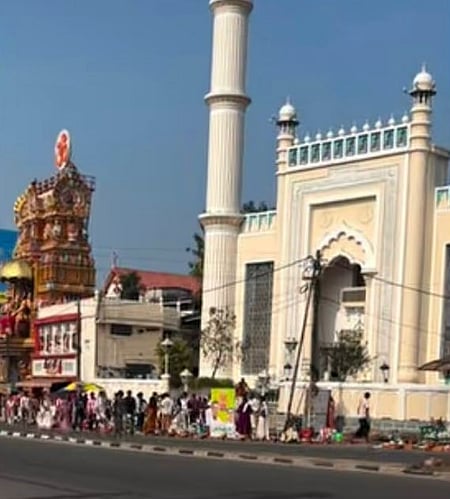
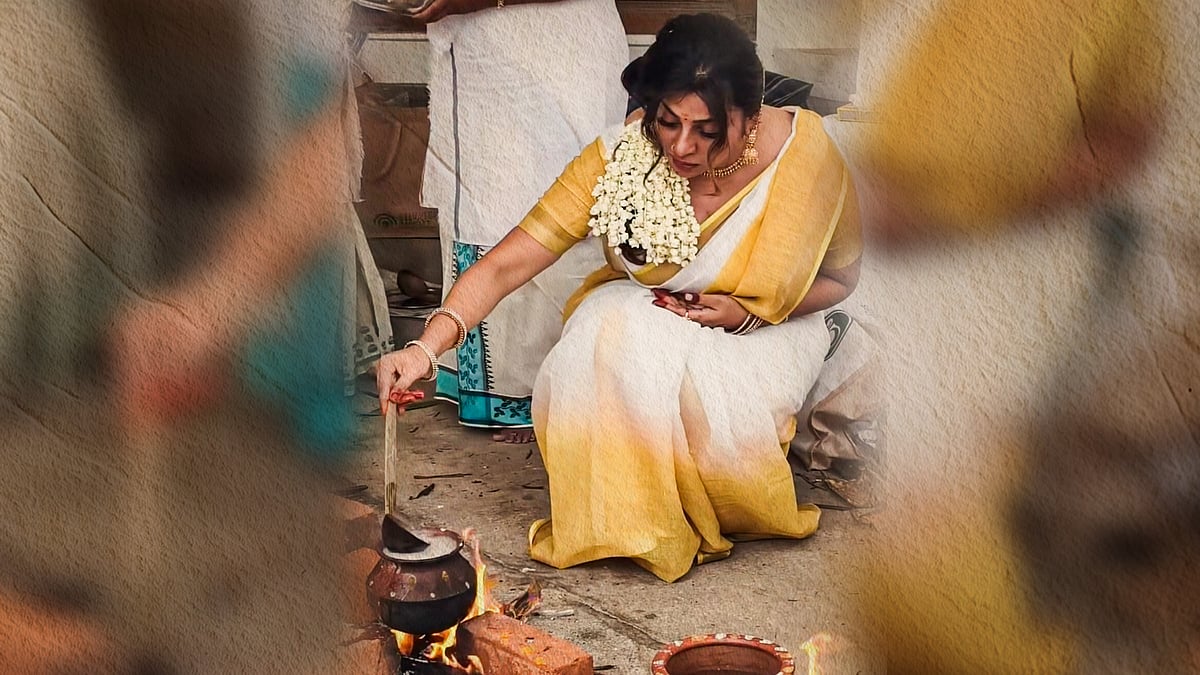
Anna was at the temple festival in Thiruvananthapuram, like thousands of other women, cooking rice porridge in an earthen pot as an offering to the goddess. But cameras surrounded her, capturing every movement, fixating on exposed skin peeking through her saree, ultimately drawing hate and slut shaming in social media comment boxes. The cyber harassment got so overwhelming that the actor posted an apology when, in fact, all she had done was go about her business, like anyone else at the Pongala festival.
“In between this sacred moment, some unwanted videos and clips were captured and shared. I trusted and respected everyone around me, including the media. It truly hurt me to see certain moments highlighted in a way that took away from the devotion of that day,” Anna further wrote.
What becomes evident here is how, despite no fault of the actor, it was she who had to endure sexist hate and apologise for her “saree”, “expressions”, or “anything” about her.
However, Anna is not the sole victim of this voyeuristic onslaught. She is perhaps the only one who responded to it out of distress.
The Pongala festival, celebrated on March 3, was followed by endless clips of women devotees flooding social media. The paparazzi cameras mostly focused on actors like Anna, Chippy Ranjith, and several others, zooming in on their bodies. The videos were shot from sexually suggestive angles, making sure not to miss the slightest of movements: a peek of cleavage, a bend accentuating the torso, a bra strap showing, or a moment of rest when the women would adjust their sarees.
As well-known faces, most women are seen struggling to appear pleasant, even amidst the scorching heat and invasive gaze. Anna herself is seen offering food to the cameramen, perhaps in a bid not to antagonise them and trigger controversy. While some of the other women politely tell the cameras off, others immediately cover their cleavage up. In a particular clip, a young girl’s mother is seen handing her a towel to wrap around her upper body as soon as the camera lens turns towards her.
These videos, shared on social media pages including the infamous Neelakuyil Media, have millions of views and shares. The comment boxes are breeding grounds for misogyny, pinning all the blame on the women, with few and far comments asking platforms to stop sexualising them.
The comment boxes further encourage religious profiling of the women, degrading non-Hindus like Anna, accusing them of “using the festival to garner attention”. This is perhaps why Anna, in her apology, wrote, “This was my very first time offering Pongala at Attukal Amma’s holy feet…Amma knows my heart. She knows the struggle, the heat, the prayers, and the sincerity behind my smile. That truth is enough for me.”
This paparazzi ‘trend’ of following and filming every celebrity, especially women, and offering them for public dissection through social media is relatively new in India. But its trajectory has been so rapid that such non-consensual filming is almost expected by most public personalities even when they step out for private events.
While social media harshly criticises most celebrities, paying no regard for their mental state or right to simply be, women are targeted disproportionately. Their bodies are visually consumed, almost with a sense of entitlement. The reasoning is that they ‘choose to be public personalities’ and are therefore, ‘obligated to put up’ with such harassment.
Any attempt to be discreet or even show the slightest irritation ends up with the women in another social media spiral of hate, where they are branded ‘insolent’ on top of being sexualised. Either way, the cycle is especially vicious for women, who are guilt-tripped and trapped in an image they have not consented to or have no control over.
Anna’s apology only underlines the misogynistic entitlement that swallows women alive, with the aid of the camera lenses that survey them round the clock. Two questions beg to be asked here, one directed outward and the other inward: why are such media platforms given free rein in public places, and why are these clips being watched again and again?
Views expressed are the author’s own.