












































































Iran war - its intentions and impact
THE Iran war is something the USA has been preparing for a long time. Since 1979, when Iran took the US Embassy personnel as hostages after the Iranian revolution throwing out the Shah of Iran and formed the Islamic Republic of Iran, the USA has considered Iran an enemy.
Over the years, Iran became stronger and started developing nuclear bombs, threatening the existence of Israel. That is when Israel became concerned and started questioning Iran’s capacity to develop nuclear arms. The USA started interfering and, during the administration of President Barack Obama, signed an agreement to limit nuclear energy for peaceful purposes only.
The first Trump administration cancelled that agreement but never followed up with any new negotiations. In late June 2025, with encouragement from Israel, Trump bombed underground Iranian nuclear facilities and claimed to have destroyed them. In late 2025, the Trump administration started negotiations with Iran to stop its nuclear ambitions.
During these negotiations, Israel convinced the USA that these negotiations are not going anywhere and that Iran is continuing to be a threat. The USA and Israel jointly attacked Iran on February 28, 2026, and started bombing its military facilities. During the first day of attacks, about 40 Iranian leaders were killed, including the supreme leader Ayatollah Ali Khamenei.
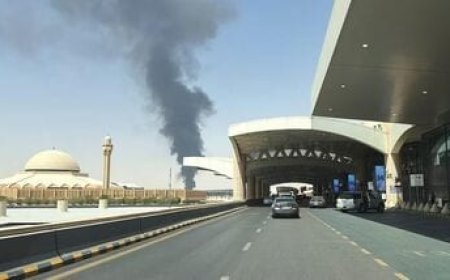
The war immediately escalated and still continues. The USA claims that most of the Iranian military infrastructure has been destroyed. Iran started attacking the facilities of American allies, the Gulf countries. Iran blocked the Strait of Hormuz, a 21-mile-wide passage through which 20 per cent of oil is transported.
Israel and the USA claim that they destroyed most of Iran’s navy ships, air force, missile launching facilities, missile storage, drones and drone manufacturing facilities. Iran continues its missile and drone attacks on Israel. Meanwhile, Israel attacks Southern Lebanon and displaces close to 800,000 people, where the Iranian-supported Hezbollah has strongholds, and war continues there also.
One of the major consequences of the war is that oil prices went up worldwide by 20 to 30 per cent and the availability of LPG (Liquid Petroleum Gas) or cooking gas, especially in Asian countries, has been greatly affected. Transportation costs and airline tickets have been going up, and the cost of goods will actually go up. War definitely has a global economic impact. In India, the LPG shortage has a major impact. Since all Gulf countries have been dragged into the war by Iran, it has an impact on Malayalees living in those countries.
Even though the USA and Israel are partners in the war against Iran, both countries have different objectives. The USA wants to make sure Iran gets rid of its nuclear ambitions. It is estimated that Iran possesses about 100 pounds of 60 to 80 per cent enriched uranium, and if possible, Iran's leadership changes to a moderate position in the region.
Meanwhile, Israel wants to change the regime in Iran and make it less powerful; they also want to take this opportunity to destroy the power of Hezbollah, which was conceived by Muslim clerics and funded by Iran primarily to fight the Israeli invasion of Lebanon.
The USA may be planning a ground attack to get control of Iran’s enriched uranium and try to change the leadership in Iran. If this happens, the war will last for several months. The US president may not take that option since it will have a significant global economic impact, including high oil and gas prices.
The latest news is that after initially threatening Iran to destroy its power infrastructure if it does not open the Strait of Hormuz, the US president had a conversation with Iran through some intermediaries and gave Iran up to five days to open the Strait of Hormuz, which may result in a cessation of hostilities ending the war.
The major issue to be resolved is the nuclear capabilities of Iran. The current regime will continue even though Israel wants to change. The USA wants to ensure that Iran does not have any capabilities to manufacture nuclear bombs and maintains a friendly relationship with Israel. Israel wants to change the Iranian regime into a moderate one, maintaining a normal relationship with Israel and other Arab neighbours. The Gulf countries want to ensure that Iran maintains a normal, friendly relationship with them.