






















































What are the consequences of the Iran war for the developing world?
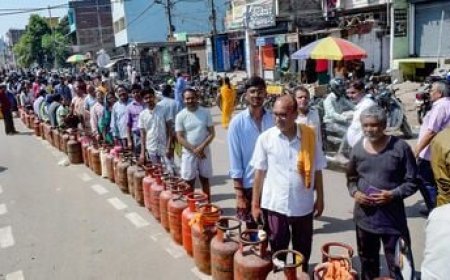
THE Middle East is not only a source of oil to run cars but also an important source of other forms of energy, like natural gas used for electricity generation. Ahmed Mushfiq Mobarak writes for Yale Insights
For example, my native country of Bangladesh imports 25% of the gas that fuels its power plants from Qatar. Those imports are now blocked due to the effective closure of the Strait of Hormuz, although hopefully the government will be able to negotiate an exemption from Iran.
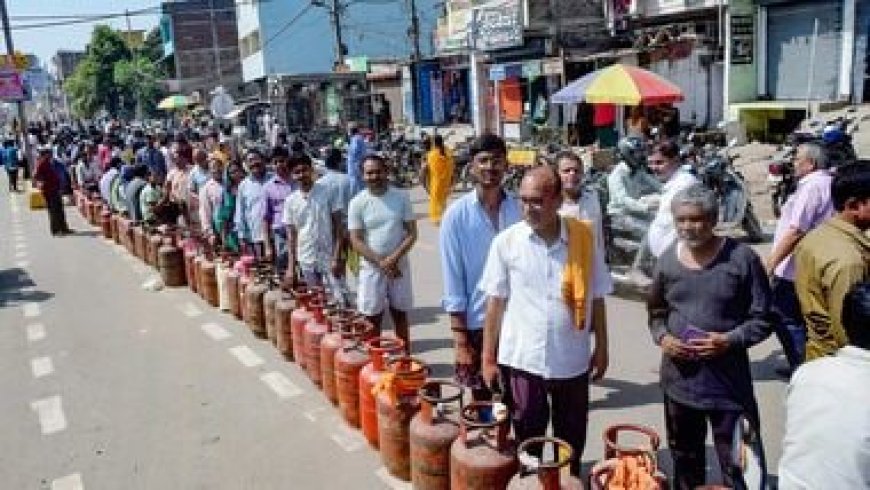
The Bangladesh government has already closed all universities to conserve electricity, anticipating a power crisis. As summer approaches and energy demands rise, such electricity shortages will worsen all over South Asia. The Pakistan government has already raised state-controlled energy prices by 20%.
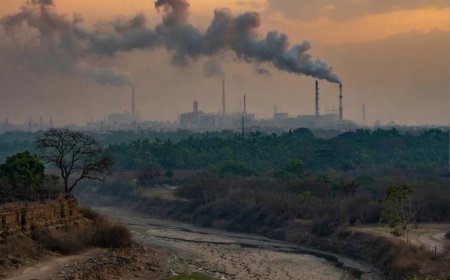
Beyond the increase in price, governments will be forced into massive load-shedding (outages) during the summer heat if this war continues, which imposes risks on human health. Businesses will be forced to run expensive diesel-powered generators, which contribute to the worsening of air quality in some of the most polluted cities in the world.
The blockade of the Strait of Hormuz is also causing fertilizer prices to spike. What are the particular dangers of the shock for farmers in places like Central Asia and Africa?
Disruptions in the exports of fertilizer to agricultural food-producing areas in Africa and Asia are poised to possibly have an even more consequential impact on the global economy and human welfare than the oil price fluctuations we have already seen. If agricultural productivity falls and food prices rise, or food shortages occur, that could lead to widespread hunger and famine in the poorest parts of the developing world.
Even if periods of acute hunger are short-lived, children not getting adequate nutrition for a few months affects their long-run cognitive and physical development, making them less productive later in life, and making poverty persist intergenerationally.
Are there other effects on the developing world from the war that may not be obvious?
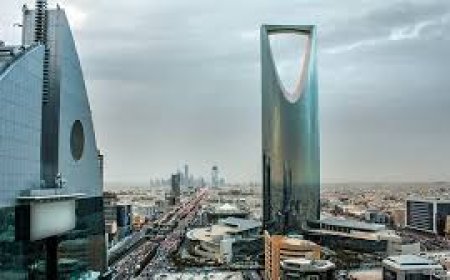
Arguably, the most consequential connection of the Middle East to South and Southeast Asia and Africa is not as a source of energy and fertilizer, but as a destination for migrant workers.
Many economies in Asia and Africa are dependent on remittances sent back by migrants working in Saudi Arabia, Qatar, UAE, and the Gulf—as an important source of livelihoods for families remaining back home, as well as a source of foreign exchange earnings for their macroeconomies. The remittance-to-GDP ratio in both Nepal and the Philippines exceeds 25%.
Qatar and other Persian Gulf countries are the most popular destinations for Nepali migrant workers. In turn, more than three-quarters of people living in Qatar and the UAE come from large developing countries like India, Pakistan, Bangladesh, and Egypt.
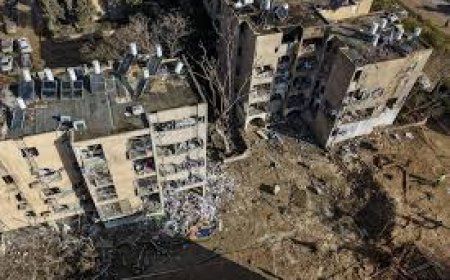
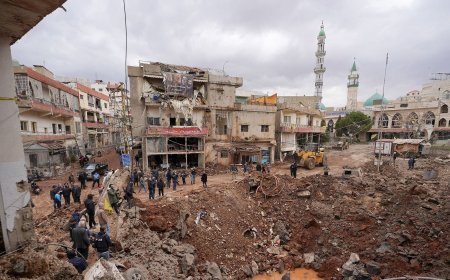
It’s no surprise that the majority of people who have been killed in the Gulf countries as collateral damage in this war are migrant workers. If the Gulf Cooperation Council (GCC) economies continue to be blockaded and their economies suffer, this will have large spillover effects on South and Southeast Asian economies through the remittance channel.
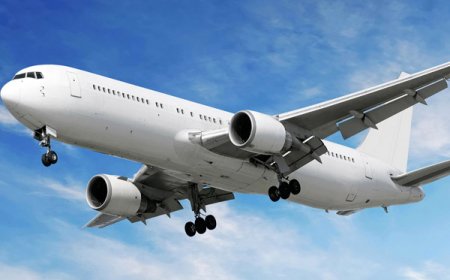
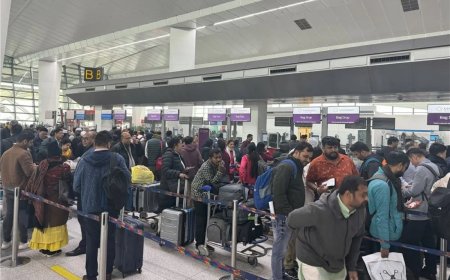
The Middle East is also a major hub for world travel and connectivity. The highest-rated airline companies with the most extensive networks of destinations are all based in the Middle East, including Emirates, Qatar Airways, and Etihad; Turkish Airlines, the European airline with the most extensive network, is also in the region. The war has caused massive disruptions to global connectivity and travel, affecting all sectors—global business, worker migration, healthcare, academia and research.
A longer-term, broader consequence is that in all these countries, businesses and individuals whose lives and livelihoods are directly or indirectly affected by this war will start seeing China as a more reliable business partner than the United States.
Maintaining global stability for business is an important role that we expect global hegemons to play. If the U.S. demonstrates through its conduct in the Middle East that it is less interested in that task, perceptions of the global roles played by the United States and China will shift more rapidly. The world becoming more reliant on China and Russia is not in American geopolitical interests.