


































































A new dawn for Kerala’s health sector

A BOLD step indeed from the Government of Kerala.
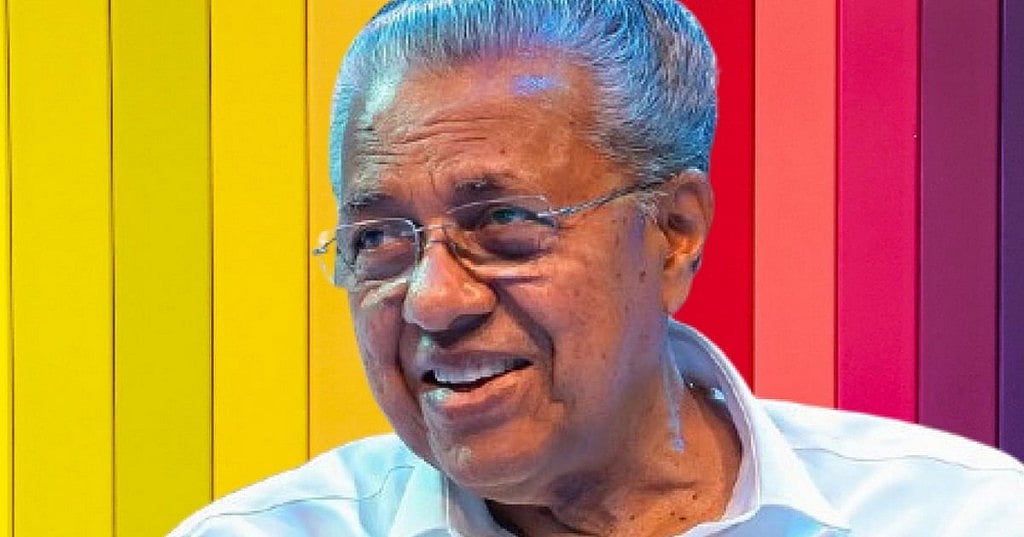
The government is establishing a major, state-of-the-art Institute of Organ and Tissue Transplant at Chevayur, Kozhikode, with Chief Minister Pinarayi Vijayan laying the foundation stone on February 7, 2026.
Touted as the first of its kind in India’s public sector, the project aims to centralise organ transplantation services under one roof to make complex, often costly, surgeries affordable.
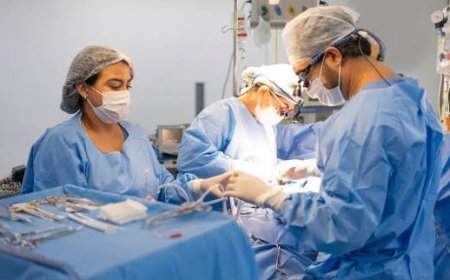
The coveted project marks Kerala’s bold step towards making life-saving transplants affordable and accessible to every citizen. With a sanctioned budget of ₹643.88 crore, the centre will house 510 beds, 16 operating rooms, and a dedicated research hub on a 20-acre campus, aiming to perform over 1,100 cornea, 500 kidney, 320 liver and dozens of heart, lung, and bone marrow transplants annually within five years.
This institute is expected to significantly reduce dependence on private hospitals and foreign countries for organ transplant procedures in Kerala.
The institute will slash transplant costs by up to 60 70% compared with private hospitals, making life-saving procedures affordable for low and middle-income families and reducing out-of-pocket expenditure across Kerala.
Beyond clinical care, the institute will serve as a teaching and training powerhouse, launching 31 academic courses and creating a skilled workforce of doctors, nurses, technicians, and transplant coordinators.
By integrating research, education and patient services under one roof, it promises to cut private sector costs by up to two-thirds and position Kerala as a national leader in organ transplantation.
Its training pipeline will roll out 31 courses in phases —starting with MD/DM super specialities and post doctoral fellowships, followed by BSc/MSc nursing, allied health diplomas, and a dedicated transplant coordinator certification — each with hands-on rotations in the 16 operating theatres and research labs.
By producing a steady stream of specialists, the centre aims to fill the state’s current shortfall of transplant surgeons, nurses and technicians, while its research wing will generate local data on graft survival and immunology, feeding directly into policy and cost containment strategies.
The cost-saving model will be backed by a mix of state health budget allocations, a dedicated transplant fund from the Kerala State Health Mission, and public-private partnership (PPP) contributions that cover equipment, consumables, and staff salaries, allowing the institute to price procedures at roughly 30 - 40% of private hospital rates.
A sample transplant coordinator curriculum spans six months and includes modules on donor family counselling, legal and ethical frameworks, organ allocation algorithms, perioperative logistics, data management systems, and communication skills, with weekly hands-on simulations in the operating theatres and a final 30-day clinical attachment.
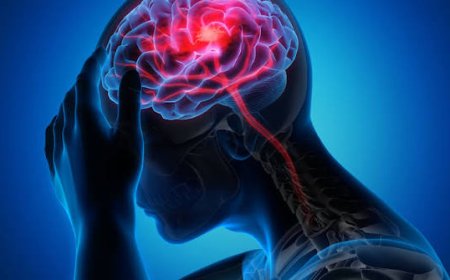
The chief minister announced this week that the project will be named after the youngest organ donor, Alin Sherin Abraham, with her family's decision to donate her organs (liver, heart valve, kidneys, and eyes) after she was declared brain dead following a road accident on February 13, 2026.
The Chevayur Institute stands as a beacon of hope, promising affordable, world-class transplants and a robust training ecosystem that will reshape healthcare delivery across the state. Let’s hope that the project will reshape healthcare delivery across the state.