









































































‘Mother of all deals’ to benefit Kerala also
KERALA is expected to benefit significantly from the India-EU trade deal, particularly in sectors like seafood, spices, and textiles.
India and the European Union on Tuesday finalised a landmark trade deal, Indian Prime Minister Narendra Modi said, as the two sides seek to hedge against fickle ties with the US.
The representatives from the two sides signed a political declaration to that effect with visiting President of the European Council, António Costa, and the President of the European Commission, Ursula von der Leyen, in attendance.
After nearly two decades of on-and-off negotiations, the deal will pave the way for India to open up its vast and guarded market, the world's most populous, to free trade with the 27-nation EU, its biggest trading partner.
Kerala's seafood exports, including shrimp, frozen fish, and value-added products, are likely to get a boost from reduced tariffs and increased market access in the EU.
The EU has approved 102 new Indian fishery establishments, increasing the number of approved units to 604.
Kerala's spice exports, including pepper, cardamom and nutmeg, are expected to grow due to increased demand for organic and natural products. Wayanad and Idukki are key regions for spice production.
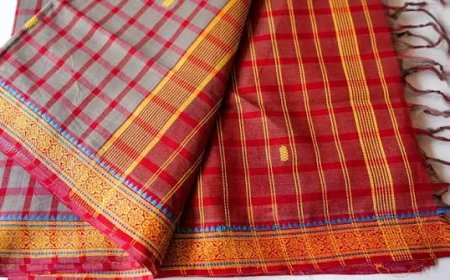
Kerala's textile sector, including garments and fabrics, is likely to benefit from increased market access in the EU. The state is promoting its textile industry through events like the IFF Fashion Expo.
Kochi and Alappuzha are the major beneficiaries of the increase in shrimp and tuna exports.
Idukki and Wayanad will also benefit from spice exports like pepper and cardamom because of reduced tariffs.
Kerala's textile sector is also expected to benefit from increased market access in the EU.
The deal is also expected to promote sustainable development, with a focus on environmental protection and labour rights. Kerala's Ayurvedic and herbal products, as well as its IT sector, may also see growth opportunities.
The trade deal is expected to boost India's exports to the EU by ₹6.4 lakh crore, benefiting sectors like textiles, apparel, leather, pharmaceuticals, engineering goods, and IT services.
Key beneficiaries include Maharashtra's garment cluster, Gujarat's textile and diamond industries and Tamil Nadu's labour-intensive clusters.
Textiles, electronics, and pharmaceuticals will get a boost, with Pune and Thane-Raigad benefiting from increased exports.
Textiles, diamonds, and jewellery will expand, with Surat and Rajkot gaining from tariff reductions.
Tiruppur's apparel and Vellore-Ambur's leather exports will benefit from reduced tariffs.
Leather footwear, furniture, and handicrafts will get a boost, with Kanpur and Agra benefiting.
Tea, spices and bamboo-based products will expand, with Dibrugarh-Jorhat and Upper Assam gaining.
- Tariff Reductions: EU to eliminate or reduce tariffs on 99.5% of Indian goods.
- Market Access: India gains access to EU's financial and maritime services.
- Sustainable Development: Deal includes provisions for environmental protection and labour rights.
"People around the world are calling this the mother of all deals. This agreement will bring major opportunities for the 1.4 billion people of India and the millions of people in Europe," Prime Minister Narendra Modi said.
The formal signing of the deal would take place after legal vetting, expected to last five to six months.
The deal is expected to be implemented within a year, according to an official.