

















































































Dubai’s new shared housing law: 6 changes if you rent a bed space or share a flat
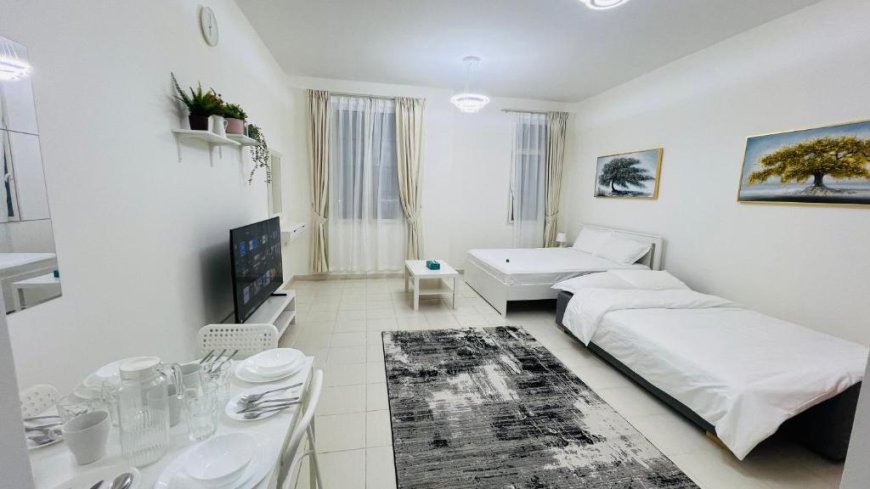
THOUSANDS of residents in Dubai rely on shared apartments or bed spaces to keep rent affordable. A new law will soon change how those arrangements work, reports the Gulf News.
For residents living in shared flats, partitions, or bed spaces, the rules will shape where you can live, how many people can share a unit, and who can legally rent out those spaces.
Landlords who rent out properties used for shared accommodation will also face new requirements on permits, occupancy, and safety standards. If you live in shared accommodation — or rent one out — here’s what changes
Shared housing has long existed across Dubai. Residents often share apartments to reduce rent, especially in areas close to workplaces or public transport. At the same time, some landlords convert units into shared accommodation to maximise rental income.
The new law introduces clearer rules around:
How many people can live in a unit
How much space each resident must have
Which areas in Dubai can host shared housing
Who is allowed to rent out shared units
Authorities say the aim is to reduce overcrowding and unsafe living arrangements while protecting both tenants and property owners. Here are 6 ways the new law will soon change how shared housing will work:
1. Not every flat can be used for shared housing
Under the new framework, apartments cannot simply be turned into shared housing. Units must receive an official permit from Dubai Municipality before they can be used this way.
For residents, this means shared units will need to meet official standards before being rented out. For landlords, it introduces a formal approval process before a property can be marketed as shared accommodation.
Dubai Municipality will also decide which neighbourhoods can host shared housing, based on factors such as:
Population density
Infrastructure capacity
The social character of the area
As a result, some areas may no longer allow shared housing setups, affecting both tenants and property owners operating in those neighbourhoods.
2. Limits on how many people can live in a unit
The municipality will introduce standards that determine:
Maximum number of residents allowed in a unit
Minimum space required per resident
Required shared facilities such as kitchens and bathrooms
For residents, this could mean fewer people sharing an apartment than before. For landlords offering shared housing, these rules set clear limits on how many occupants can legally live in a unit.
Authorities say these standards are designed to prevent overcrowded living conditions and improve health and safety standards.
3. Only licensed landlords can rent shared units
The law also changes who can legally rent out shared accommodation. Only the property owner or an authorised real estate company can lease shared housing units.
Tenants will not be allowed to sublease part of their apartment, such as renting out beds or partitioned spaces. For landlords, this means shared housing must be offered either directly by the owner or through licensed property management companies.
Shared housing can only be offered through:
Direct leasing by the property owner
A company managing the property on behalf of the owner
A company that leases the unit from the owner and then subleases it to residents
4. New system to track shared housing
Dubai authorities are also introducing digital systems to track shared accommodation across the city. Dubai Land Department will create a dedicated electronic registry for shared housing units.
Each registered property will include details such as:
The landlord’s information
The number of residents living in the unit
Unit specifications and layout
The space allocated to each resident
Lease contracts will need to include these details, creating clearer documentation for both residents and landlords. The department will also create a rent indicator for shared housing, offering guidance on pricing based on unit specifications.
5. Safety standards will become stricter
All shared housing units must meet technical standards covering:
Fire safety
Sanitation and hygiene
Electrical systems
Building safety and security
For residents, these standards aim to improve living conditions in shared spaces. For landlords, failing to meet these requirements could result in losing permits or facing enforcement action.
6. Heavy penalties for illegal shared housing
Authorities can issue fines ranging from Dh500 to Dh500,000 for violations of the law. Repeat violations within a year could push fines up to Dh1 million.
Authorities may also take further action, including:
Suspending property activity for up to six months
Cancelling permits
Revoking company licences
Disconnecting utilities
Evicting residents from non-compliant units
Disputes related to shared housing will be handled by the Dubai Rental Disputes Center.
What happens to existing shared apartments?
Many shared apartments already operate across Dubai. The law gives property owners and operators one year to comply with the new rules.
Authorities may grant a one-time extension if additional time is required. The law will officially take effect 180 days after its publication in the Official Gazette.
For residents living in shared flats — and landlords renting them out — the changes could reshape where shared housing is allowed, how many people can live in a unit, and how these arrangements are managed across Dubai.