







































































Beyond promises: The voter’s quiet verdict

KERALA is gearing up for a crucial assembly election on April 9, with the ruling Left Democratic Front (LDF) seeking a historic third consecutive term.
The United Democratic Front (UDF), led by the Congress, is banking on anti-incumbency sentiment to make a comeback, while the Bharatiya Janata Party (BJP) is hoping to make inroads in the state.
The election is significant for Chief Minister Pinarayi Vijayan, who is contesting from Dharmadam, Kannur, and is seen as a key player in the LDF's bid for a third term.
The LDF has been in power since 2016, and its governance has been marked by initiatives like the "Nava Kerala" vision, which aims to boost economic activity and improve infrastructure. However, the party is facing challenges, including a decline in expatriate voter participation due to tensions in West Asia.
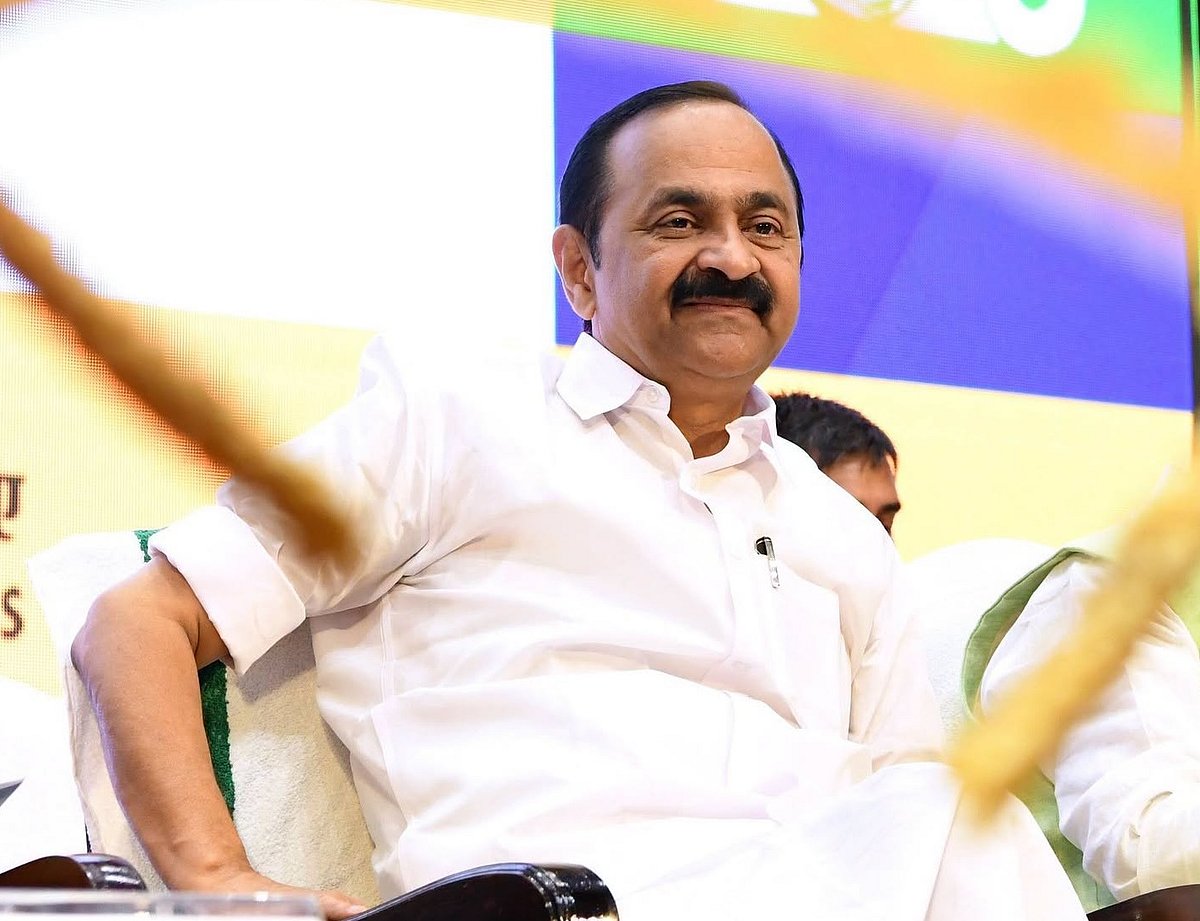
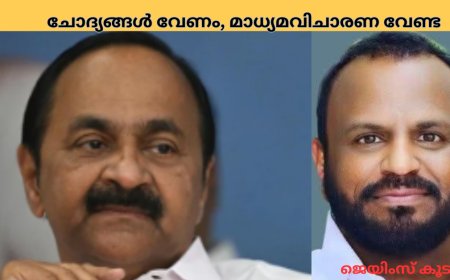
The UDF, on the other hand, is looking to capitalise on the LDF's weaknesses and has launched a campaign focusing on governance and welfare issues. The party's leader, V.D. Satheesan, has challenged Pinarayi Vijayan to a one-to-one debate on the LDF's governance. The BJP is also trying to make a mark, with its leader, Rajeev Chandrasekhar, campaigning aggressively.
With barely a week left for the elections, the decibel levels of the campaign have reached their predictable peak.
Rallies are louder, manifestos more ambitious, and accusations sharper. Yet, beneath this crescendo lies a quieter, more decisive process — the voter’s internal reckoning.
In Kerala, elections have rarely been about spectacle alone. The state’s electorate, often described as politically aware and socially conscious, has a history of sifting through rhetoric with a discerning eye.
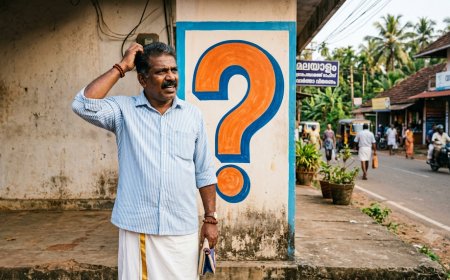
While parties compete to outpromise each other — be it welfare expansion, infrastructure projects, or employment generation — the voter is engaged in a far subtler exercise: weighing lived experience against electoral assurances.
The past five years have offered enough material for such judgment. From welfare delivery and public health to inflationary pressures and job opportunities, governance has touched everyday lives in tangible ways. The question now is not which party promises more, but which one has convinced the voter of its credibility to deliver.
Interestingly, this election also highlights a growing disconnect between campaign narratives and voter priorities. Political discourse may be dominated by ideological positioning and headline-grabbing claims, but for many households, the concerns remain grounded — cost of living, quality of education, access to healthcare, and the elusive promise of stable employment. The voter’s verdict, therefore, is less about grand visions and more about practical realities.
Another defining feature of this “quiet verdict” is its unpredictability. Kerala’s electorate has often resisted linear political patterns, surprising observers with choices that defy conventional wisdom. This unpredictability stems not from impulsiveness, but from a layered evaluation of leadership, governance, and credibility.
As the campaign enters its final stretch, political actors would do well to recognise this silent churn. The real contest is no longer on the stage or the screen, but in the minds of millions who are listening, comparing, and deciding — without fanfare.
When the votes are finally cast, the outcome will not merely reflect the success of campaign strategies or the appeal of manifestos. It will represent something deeper: a collective, quiet judgment formed beyond promises, rooted in experience, and delivered with conviction.
In the end, it is this understated yet powerful verdict that defines the democratic character of Kerala — where noise may dominate the campaign, but silence often shapes the result.
The people of Kerala must exercise their franchise wisely, keeping in mind the future of their beloved state.