























































.jpg?#)



15 big US companies that are owned by China
YOU might think some of America’s most recognisable brands are still all-American. But behind the logos, things have quietly changed. Over the past decade, Chinese companies have acquired some of the most recognised names in U.S. business, including food giants, tech innovators, and even automakers.
This list breaks down major U.S. companies now owned or controlled by Chinese firms and reveals just how global American business has become.
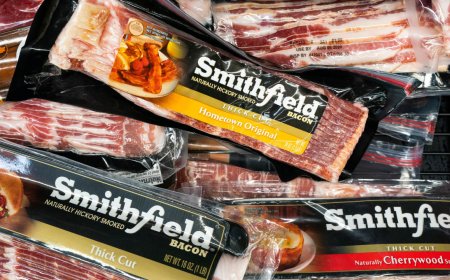
Smithfield Foods
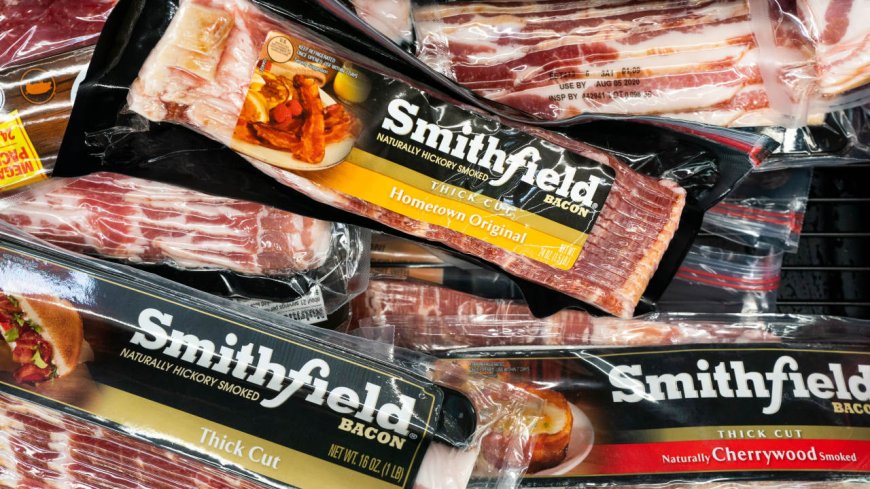
In one of the biggest takeovers in U.S. food industry history, WH Group (formerly Shuanghui International) secured Smithfield Foods in 2013. The deal was worth $4.7 billion and included more than 146,000 acres of farmland across the United States. The company remains based in Virginia but is fully Chinese-owned.
GE Appliances
Haier Group, a Chinese multinational appliance maker, took over GE Appliances in 2016 for $5.4 billion. While the brand and manufacturing plants remain in the U.S., control ultimately shifted abroad. The deal was a key step in Haier’s push to dominate the global appliance market.
Motorola Mobility
Motorola helped launch the mobile revolution, but it didn’t get to write its own comeback. In 2014, Lenovo, China’s largest PC maker, completed its acquisition of Motorola Mobility from Google for $2.91 billion. The deal handed Lenovo decades of innovation rooted in the U.S. and helped it fast-track into the global smartphone race.
Nexteer Automotive
Michigan’s Nexteer builds the steering systems in cars. In 2010, that know-how switched hands. China’s state-owned AVIC stepped in through its subsidiary and took control of the company. U.S. automakers still rely on Nexteer, but they’re dealing with a firm backed by Beijing.
Waldorf Astoria
New York’s historic Waldorf Astoria was transferred to China’s Anbang Insurance Group in 2014 for nearly $2 billion. Once a symbol of American luxury, it now operates under a Chinese-controlled entity and stirs debate about international ownership of iconic U.S. properties.
Strategic Hotels & Resorts
Anbang didn’t stop at one trophy asset. In 2016, it spent $6.5 billion to acquire Strategic Hotels & Resorts throughout the United States. When Anbang was later taken over by Chinese regulators, the control of these high-end hotels transferred to the Chinese government.
Cirrus Aircraft
Cirrus Aircraft makes sleek private planes, often seen as Teslas of the sky. In 2011, China’s AVIC made a bold move and bought the Minnesota-based company. Cirrus kept its U.S. roots, but AVIC gained direct access to the American general aviation sector, which is something it had struggled to crack before.
Henniges Automotive
In 2015, China’s AVIC and private equity firm BHR Partners jointly took over Henniges Automotive, a company responsible for making seals, vibration dampers, and insulation systems. That triggered scrutiny, especially because BHR had political connections and the tech could impact military and auto sectors alike.
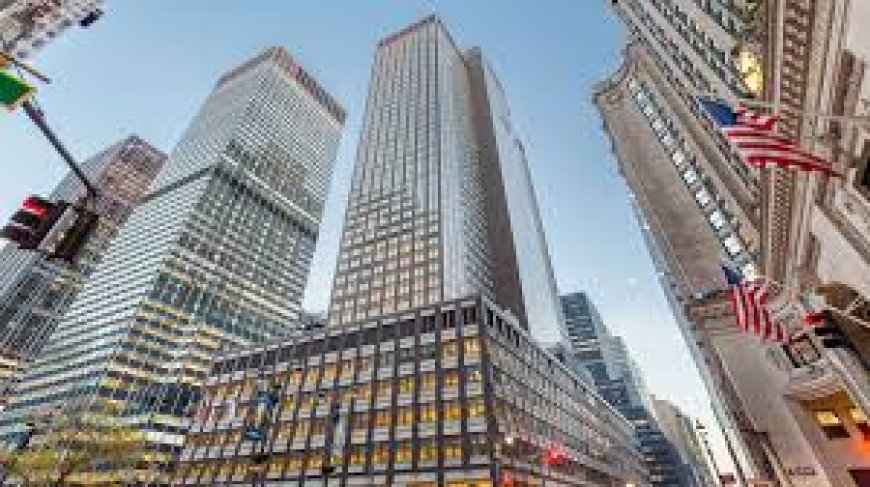
245 Park Avenue
This Manhattan skyscraper made headlines in 2017 when HNA Group secured ownership for $2.21 billion, one of the most expensive commercial real estate deals ever in New York. HNA later faced financial troubles and began offloading assets, but the purchase marked a peak in Chinese investment in U.S. property.
Hytera Communications
Hytera is at the center of a corporate spy drama disguised as a radio company. In 2025, the Chinese firm was indicted for conspiring to steal Motorola’s trade secrets. Hytera still runs operations in the U.S., but with a shadow cast by its ties to China’s state-owned tech sector.
Inspur Group
Inspur supplies cloud services, servers, and AI tech used worldwide. Though not a household name, its influence runs deep - enough that the domestic government government added it to a blacklist in 2023 due to ties with China’s military-industrial complex.
Riot Games
The creators of League of Legends became a full subsidiary of Chinese tech giant Tencent in 2015. Tencent had previously taken a majority stake in 2011. Riot’s leadership remains in the U.S., but the company’s funding, growth, and global expansion is currently fueled by overseas capital.
Karma Automotive
In 2014, China’s Wanxiang Group took over Fisker’s assets, a flashy electric car brand that fizzled after bankruptcy. They bought Fisker’s assets and rebranded them as Karma Automotive. Karma produces luxury EVs in California using Chinese funds and a mission to make the second act better than the first.
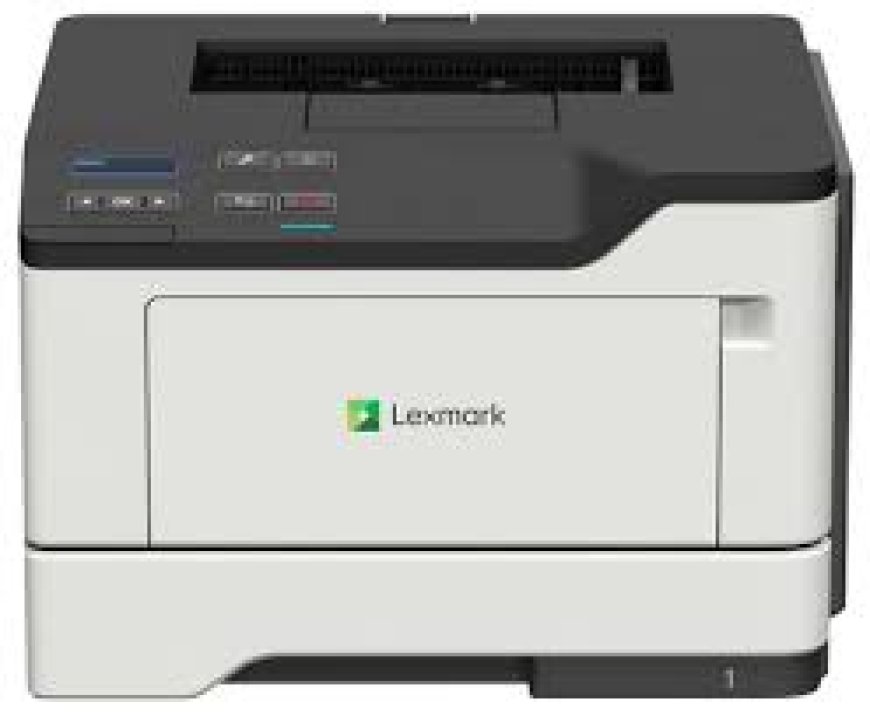
Lexmark
Lexmark still feels like a classic American tech name, but ownership changed in 2016 when a China-led investor group bought the Kentucky printer company. The deal was backed by Apex Technology (now known as Ninestar), PAG Asia Capital, and Legend Holdings. Lexmark kept its U.S. base, though control moved overseas.
Epic Games
China does not fully own Epic Games, but Tencent holds a major minority stake that gives the Chinese giant real influence in one of America’s biggest game companies. Tencent bought roughly 40% in 2012, while Epic stayed under Tim Sweeney’s control. That makes Epic partly Chinese-owned, though completely Chinese-controlled.