Apr 8, 2026 0 23
Apr 1, 2026 0 18
Mar 25, 2026 0 40
Apr 12, 2026 0 2
Apr 12, 2026 0 5
Apr 12, 2026 0 7
Apr 12, 2026 0 4
Apr 5, 2026 0 19
Mar 26, 2026 0 27
Mar 17, 2026 0 39
Mar 17, 2026 0 58
Apr 12, 2026 0 3
Mar 30, 2026 0 29
Apr 11, 2026 0 22
Apr 10, 2026 0 11
Apr 10, 2026 0 10
Apr 10, 2026 0 5
Mar 29, 2026 0 10
Mar 25, 2026 0 22
Mar 24, 2026 0 23
Mar 20, 2026 0 42
Jan 4, 2026 0 216
Apr 9, 2026 0 18
Apr 8, 2026 0 18
Mar 29, 2026 0 128
Mar 27, 2026 0 28
Apr 10, 2026 0 13
Apr 5, 2026 0 22
Apr 4, 2026 0 23
Apr 3, 2026 0 45
Mar 25, 2026 0 24
Mar 23, 2026 0 18
Feb 16, 2026 0 114
Aug 16, 2024 0 527
Feb 1, 2026 0 86
Dec 8, 2024 0 1.5k
Nov 25, 2024 0 1.6k
Nov 3, 2024 0 1.5k
Oct 12, 2024 0 1.6k
Apr 12, 2026 0 11
Apr 11, 2026 0 13
Apr 11, 2026 0 30
Apr 11, 2026 0 20
Mar 24, 2026 0 39
Mar 8, 2026 0 25
Mar 8, 2026 0 57
Mar 5, 2026 0 47
Mar 25, 2026 0 32
Apr 10, 2026 0 44
Apr 9, 2026 0 16
Apr 8, 2026 0 37
Mar 16, 2026 0 31
Mar 1, 2026 0 57
Sep 24, 2025 0 327
Sep 12, 2025 0 786
Sep 6, 2025 0 968
Apr 9, 2026 0 23
Mar 10, 2026 0 33
Mar 7, 2026 0 33
Apr 2, 2026 0 22
Mar 30, 2026 0 48
Mar 27, 2026 0 21
Mar 25, 2026 0 28
Mar 24, 2026 0 13
Mar 23, 2026 0 38
Mar 12, 2026 0 35
Apr 6, 2026 0 19
Apr 1, 2026 0 15
Mar 31, 2026 0 50
Mar 18, 2026 0 46
Mar 11, 2026 0 39
Mar 5, 2026 0 57
Feb 25, 2026 0 47
Feb 18, 2026 0 47
Or register with email
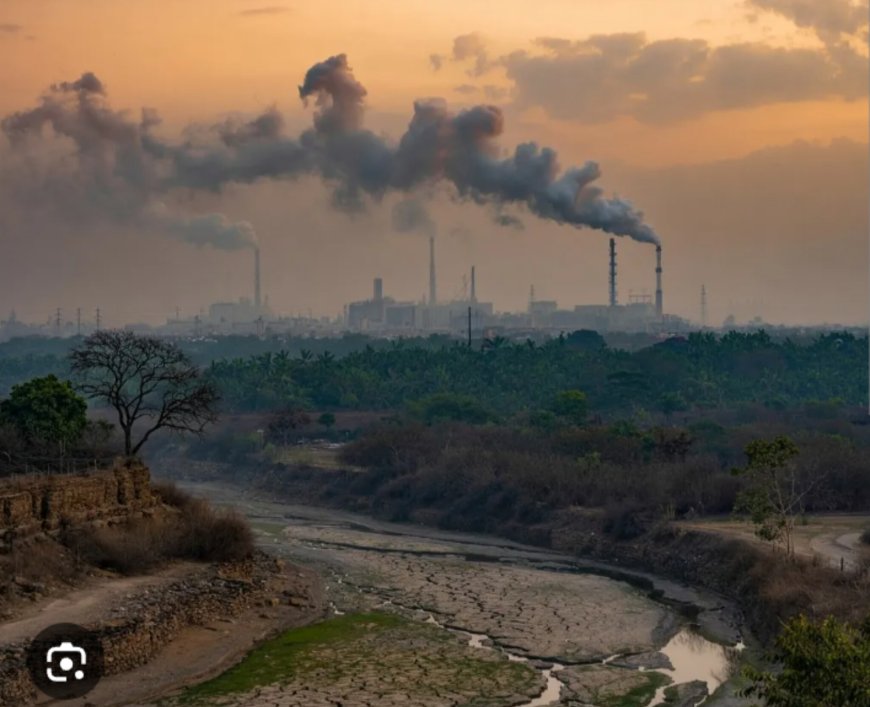
LEADING cardiology societies call for stronger protections against environmental hazards.
Four international cardiology societies — the American Heart Association, the American College of Cardiology, the European Society of Cardiology, and the World Heart Federation — issued a joint statement urging regulatory action to address the role of toxic environmental exposures in cardiovascular disease.
In short: Growing evidence shows environmental exposures — including air pollution, chemical pollution, plastics, climate change, and artificial noise and light — may be contributing significantly to the rise in cardiovascular disease.
Of these hazards, air pollution poses the greatest risk, likely by causing inflammation in the lungs and throughout the circulatory system.
The multiple hazards associated with climate change, like extreme heat and wildfires, may also threaten cardiovascular health via dehydration, arrhythmia, and severe coronary events (such as heart attacks).
Key quote: "A unified voice was needed to state clearly that the science is settled — and that continued inaction reflects political and structural inertia rather than scientific uncertainty.”
Why this matters:
Cardiovascular disease is the leading cause of death worldwide, contributing to roughly 44% of deaths from noncommunicable diseases.
When speaking with JAMA Medical News, lead author Dr Münzel attributed at least one in five of the 20 million annual global cardiovascular disease deaths to environmental hazards.
The authors of this statement call on both policymakers and clinicians to address environmental exposures “with the same seriousness as traditional cardiovascular risks,” fully integrating them into regulations and patient care.
Mar 22, 2026 0 23
Oct 26, 2025 0 144
Mar 4, 2025 0 725
Dec 6, 2024 0 792
Nov 1, 2024 0 507
We use cookies aligned with this Privacy policy. Subscribe /wmvoice Telegram channelFollow /wmvnews on Facebook