













































































.jpg?#)









Over 23,000 flights cancelled in GCC: What UAE airlines, travellers can expect next
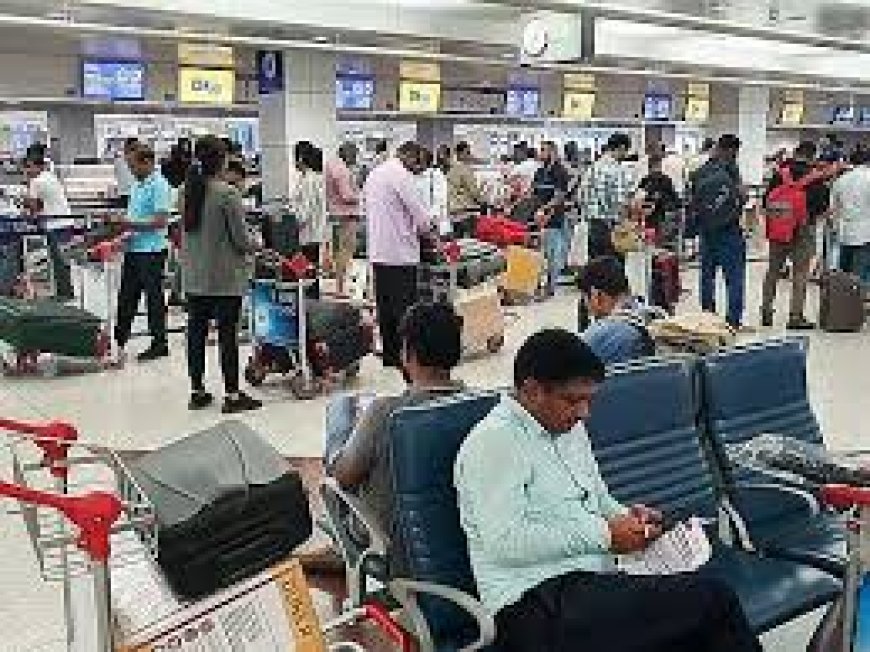
WITH aviation across the Middle East heavily disrupted after attacks by Israel and the US on Iran and Iran’s retaliatory strikes across the region, airlines were forced to cancel flights, reroute aircraft and suspend services, reports the Gulf News.
Airspace closures across Iran, Israel, Iraq, Qatar, Bahrain, Kuwait and Syria halted large parts of regional traffic. Partial restrictions also affected operations in the UAE and Saudi Arabia.
Aviation analytics firm Cirium said more than 23,000 flights have been cancelled since Feb. 28. Of roughly 36,000 flights scheduled to operate to or from the Middle East over that period, more than half were cancelled, cutting about 4.4 million seats.
Fitch Ratings said the length of the disruption will determine the hit to airlines, airports and tourism. Fitch expects the conflict to last less than a month, which should limit pressure on Fitch-rated issuers, but said a longer conflict could strain less diversified businesses.
Hub airports, including Dubai, Abu Dhabi and Doha, have seen schedule changes and congestion as carriers adjust routes. Fitch said more than 15,000 flights were cancelled across seven regional airports between Feb. 28 and March 5, affecting more than 1.5 million passengers.
Airlines face losses, costs
Fitch said airlines lose revenue when flights cannot operate, and carriers with hubs in affected countries face the greatest exposure because their networks depend on regional airspace. Operations over the UAE and Qatar appear particularly constrained.
Costs also rise when aircraft detour around closed airspace, extending flight times and fuel burn. Fitch cited added expenses from technical stops, crew overtime, accommodation and airport handling. Airlines may also pay for meals, hotels, refunds or vouchers for disrupted passengers. Passenger compensation is expected to be limited because the disruption stems from geopolitical conflict outside airline control.
Tighter capacity can lift fares on affected routes, which may offset some lost revenue. Oil prices are another swing factor. Fitch said many airlines hedge fuel, typically covering about 50% to more than 80% of needs over the next three months across Europe, the Middle East and Africa.
GCC tourism to drop?
Oxford Economics estimates international arrivals to the region could fall 11% to 27% in 2026, depending on how long the conflict lasts. That implies 23 million to 38 million fewer visitors than previously expected and a $34 billion to $56 billion hit to tourism spending.
Oxford Economics outlined two scenarios: disruption lasting one to three weeks, or hostilities continuing for about two months. Gulf Cooperation Council economies could see the largest drop in visitor numbers because they attract the biggest share of regional tourism. The UAE and Saudi Arabia are particularly exposed due to their large markets and reliance on aviation links.
Israel and Iran are expected to see the steepest percentage declines because the conflict is concentrated there. Compared with earlier forecasts, inbound arrivals to Israel could fall 57%, while arrivals to Iran could decline 49%.
Impact beyond airlines
Fitch said the disruption also affects airports, hotels, insurers and aircraft lessors. European airports may lose revenue and retail spending from weaker Europe-Asia flows, though some may offset declines through parking income or regulatory protections tied to traffic volatility.
Hotels with Middle East exposure are mostly run by global lodging groups with diversified portfolios, which Fitch said should help them absorb booking disruption. Aircraft lessors are expected to face limited impact because fleets are globally diversified and lease revenues are usually secured by long-term contracts.
Aviation analysts say travel patterns often recover once airspace restrictions lift, and Middle Eastern hubs remain strategically positioned between Europe, Asia and other long-haul markets.