





































































No blanket internet ban, but tighter checks: How India may regulate under-18 social media
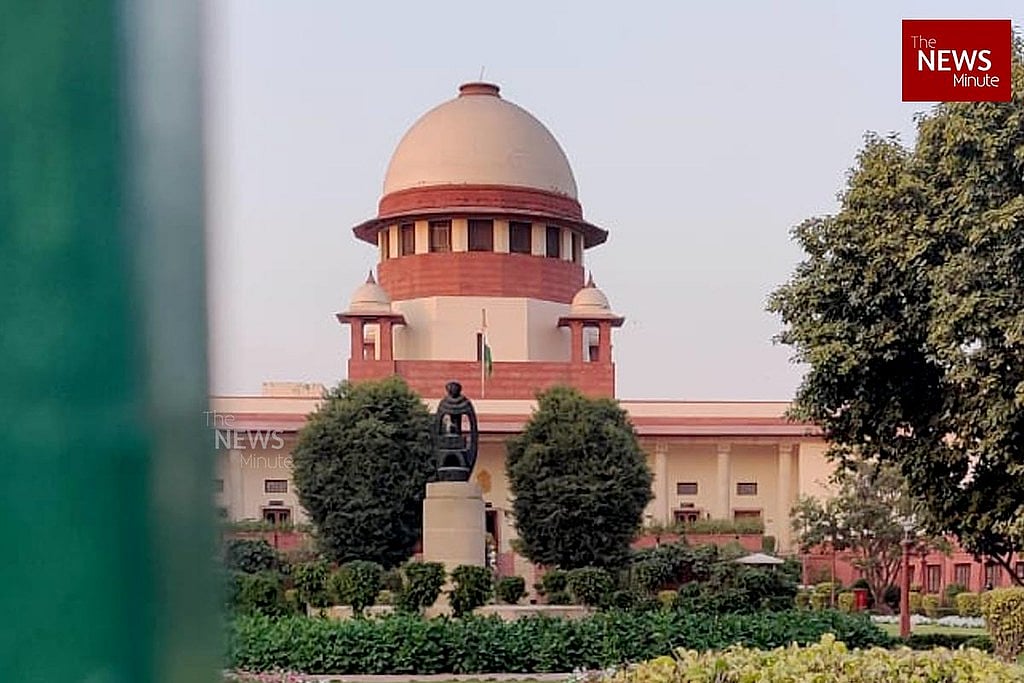
The Supreme Court has asked the Centre to examine statutory safeguards for minors on social media, including whether platforms should prevent those below 18 from independently creating accounts.

INDIA could tighten the rules governing children's access to social media, with the Supreme Court asking the Centre to examine whether safeguards for users below 18 can be incorporated into the statutory framework governing digital intermediaries.
The issue is not a blanket restriction on internet access for minors. The focus of the proceedings is on whether children below 18 should be able to independently create and maintain social media accounts and enter into contracts with digital platforms.
The development follows a petition by the Just Rights for Children Alliance (JRCA) seeking enforceable safeguards for minors using social media and other digital platforms.
What did the Supreme Court say?
A bench headed by Chief Justice of India Surya Kant and comprising Justices Joymalya Bagchi and V Mohana asked the Centre to examine whether existing intermediary rules can be strengthened to ensure that platforms comply with Indian laws governing minors, news agency ANI reported.
Justice Bagchi said the requirement should have a statutory format, rather than remain merely a guideline.
He told Solicitor General Tushar Mehta, "Please pass directions under the intermediary rules that they fashion their software, or whatever the platform is called, in conformity with Indian law. The software has to conform with Indian law. That is our request."
Mehta responded, "Not a request, a direction."
The Solicitor General also told the bench, "Something can be done, something should be done and will be done."
Why is the age of 18 central to the case?
The petition relies on Section 11 of the Indian Contract Act, which concerns the legal capacity to enter into contracts.
Senior advocate H S Phoolka, appearing for JRCA, argued that there was no need to wait for the proposed data protection framework because existing law already addresses the contractual capacity of minors.
"Under existing Indian law, these contracts are void. We don’t need to wait for the Data Protection Act. Existing law bars them," he said.
The petition argues that signing up for social media involves accepting a platform's terms and conditions, creating a mismatch between platforms that permit younger users to register and India's legal framework governing minors.
Could parental consent become mandatory?
One mechanism being considered is parental or legal guardian consent.
The petition has sought amendments to the Information Technology (Intermediary Guidelines and Digital Media Ethics Code) Rules, 2021, or specific provisions requiring platforms to obtain parental or guardian consent before entering into contracts with users below 18. It has also proposed identity verification or e-KYC of the parent or guardian.
The Solicitor General suggested that a regulatory mechanism based on parental consent could be considered, with the contractual relationship being entered into between the parent and the platform.
What would change for social media platforms?
The proposed approach could require platforms to build their systems around Indian legal requirements rather than simply relying on their existing minimum-age policies.
The petition specifically points to platforms such as Facebook and Snapchat, which allow account creation from age 13, and argues that this does not align with the legal position concerning minors in India.
The Supreme Court has also previously sought safeguards for minors using digital platforms. On September 10, the bench had said, "We need some safeguards in India."
What risks has the petition flagged?
The JRCA petition has raised concerns about children's exposure to online grooming, sexual exploitation, trafficking, sextortion, cyberbullying, behavioural profiling, misuse of personal information and age-inappropriate content.
It has also alleged that platforms have not adequately implemented automated filtering and age-verification systems despite existing legal restrictions concerning child sexual abuse and exploitative material.
The Supreme Court has separately been examining compliance by social media intermediaries with their obligations concerning child sexual exploitation and abuse material.
What happens next?
The Centre is now examining whether safeguards can be incorporated into the statutory framework governing intermediaries. The Supreme Court is expected to hear the matter again after the government considers the issue, News18 reported.
The immediate question, therefore, is not whether minors will lose access to the internet altogether, but how social media platforms operating in India will be required to verify age, handle accounts belonging to minors and incorporate parental consent into their systems if such rules are ultimately adopted.