














































































Delhi HC gives SpiceJet final 4 weeks to deposit ₹144.5 crore in Maran dispute, rejects property pledge
Delhi High Court grants SpiceJet a final four weeks to deposit ₹144.5 crore in its dispute with Kalanithi Maran, rejecting its plea to furnish property as security.

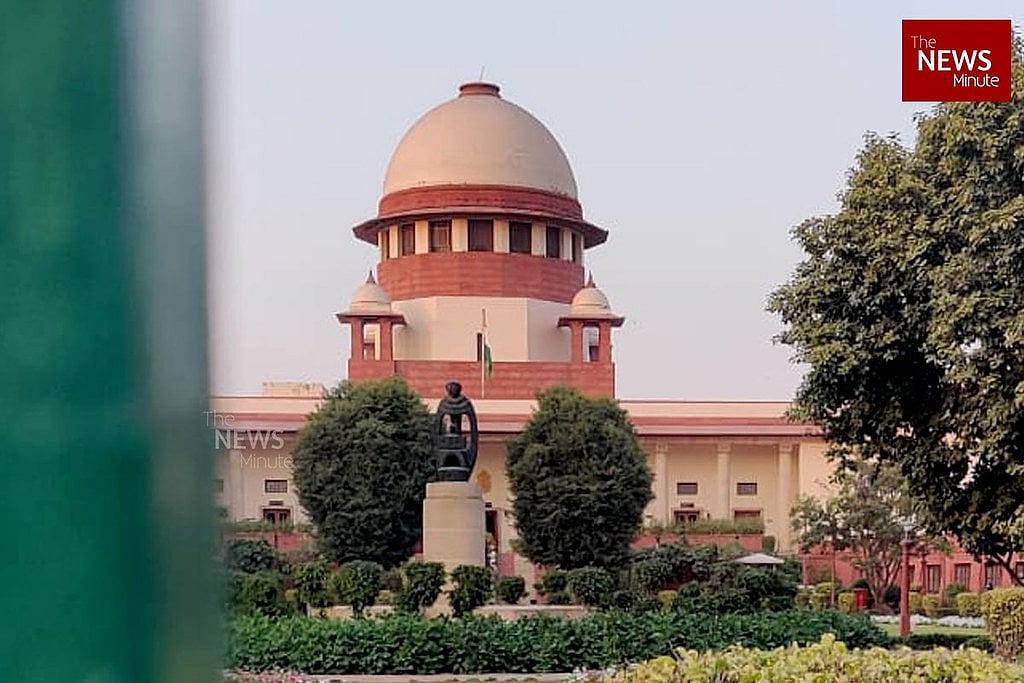
THE Delhi High Court on Wednesday granted budget airline SpiceJet a final opportunity to deposit ₹144.5 crore within four weeks in its ongoing arbitration dispute with Kalanithi Maran and KAL Airways Pvt. Ltd.
The order tightens compliance pressure on the airline after multiple rounds of litigation, with courts rejecting attempts to defer cash payment despite liquidity concerns.
Justice Subramonium Prasad rejected SpiceJet’s plea seeking modification of the January order, under which the airline had proposed furnishing an immovable property worth about ₹148 crore as security instead of making the cash deposit.
The judge indicated that the plea could have been rejected outright but was heard at length given broader stakeholder concerns.
“Dismissed. I am extending the time by four more weeks to deposit the money. Sell the property in four weeks,” Justice Prasad said.
The court declined to allow the use of property as security, despite the airline’s submission that depositing the amount would create operational challenges.
Appearing for the airline, senior counsel Amit Sibal argued that immediate payment would disrupt operations.
“Can I just point out that my operations will be affected? There are 22,000 passengers and 7,000 employees. Nearly 40% of my flights go to the Gulf, which have been cancelled. That is causing a further liquidity problem. Therefore, I am offering an unencumbered property—I have furnished a letter,” Sibal told the court.
SpiceJet argued that it is facing a liquidity crunch due to flight cancellations on Gulf routes.
“It is only because of the problems that will be faced by the staff and the people working there that I have heard this matter for so long,” Justice Prasad said.
The application was filed on 6 March after the Supreme Court of India, on 27 February, refused to stay the High Court’s earlier order directing the airline and its promoter Ajay Singh to deposit ₹144.51 crore.
The apex court also imposed costs of ₹1 lakh on the airline for prolonging the litigation.
The refusal meant SpiceJet was required to comply with the High Court’s 19 January order within six weeks, prompting the airline to move a fresh plea seeking permission to furnish property instead of cash.
Dues admitted
In its 19 January order, the High Court recorded that SpiceJet had admitted ₹194.51 crore was due and payable under earlier Supreme Court directions.
After adjusting ₹50 crore already deposited, ₹144.51 crore remains outstanding.
The court noted that the Supreme Court had issued clear directions in February and July 2023 requiring compliance within stipulated timelines, and held that those directions were not fully adhered to.
Origins of row
The dispute dates back to January 2015, when Kalanithi Maran and KAL Airways transferred their 58.46% stake in SpiceJet to Ajay Singh at a time when the airline was facing acute financial distress.
As part of the transaction, Maran and KAL Airways infused about ₹679 crore into the airline towards the issuance of convertible warrants and preference shares.
Maran later alleged that these instruments were not issued under the new management and sought a refund.
The matter was referred to arbitration before a three-member tribunal comprising retired Supreme Court judges.
In July 2018, the tribunal rejected Maran’s ₹1,323 crore damages claim but directed SpiceJet to refund ₹579 crore, along with interest, relating to the warrants and preference shares.
Both sides challenged aspects of the award before the Delhi High Court, triggering prolonged enforcement proceedings, appeals and interim orders across courts.
SpiceJet has maintained that it has already paid about ₹730 crore to Maran and KAL Airways, including the principal amount of ₹579 crore and around ₹150 crore towards interest.
The dispute continues to be a significant legal and financial overhang for the airline, which has in recent years faced liquidity pressures, aircraft grounding due to unpaid dues, and insolvency petitions from lessors and creditors.