





































































4th of July to see thunderstorms? Washington cancels parade as extreme heat upends America 250 festivities
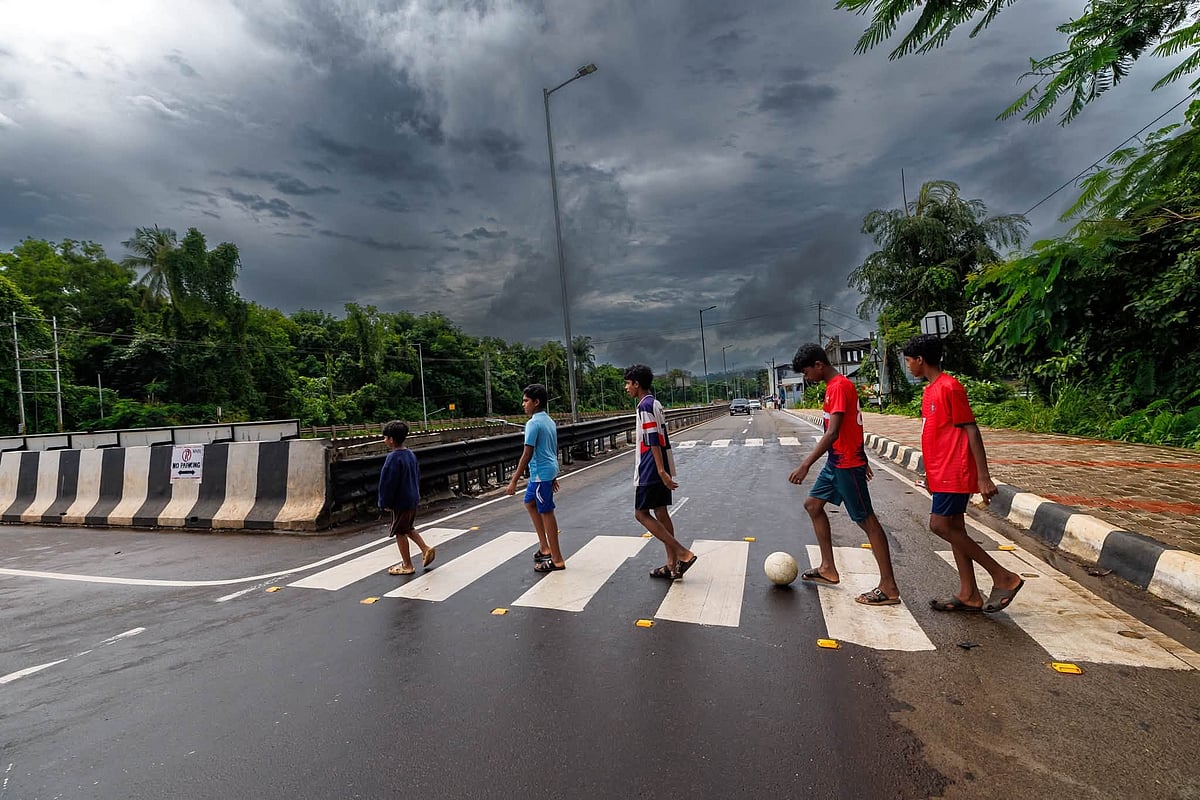
This weekend's America 250 celebrations face potential disruptions from severe weather. The extreme heat and pervasive humidity across the eastern United States are anticipated to spark thunderstorms in the Mid-Atlantic and Northeast starting Saturday afternoon.

AMERICA'S 250th birthday is facing severe disruptions as an intense, climate-change-fueled heat wave upends festivities across the eastern United States.
With dangerous, triple-digit temperatures already forcing major cancellations, including Washington, DC's iconic morning parade, a looming threat of thunderstorms could further dampen Independence Day celebrations.
Thunderstorms threaten to dampen the American spirit
This weekend's America 250 celebrations face potential disruptions from severe weather. The extreme heat and pervasive humidity across the eastern United States are anticipated to spark thunderstorms in the Mid-Atlantic and Northeast starting Saturday afternoon.
The greatest risk of damaging storms spans the Mid-Atlantic and Central Plains, with a heightened risk area encompassing Washington, DC; Baltimore; Arlington, Virginia; and portions of Oklahoma and Kansas.
The silver lining: Forecasters expect any thunderstorms in the East on Saturday to be hit-or-miss rather than a widespread, organised line. This means that areas impacted by a sudden storm may clear out in time to resume their evening festivities.
Capital parade cancelled amid extreme heat
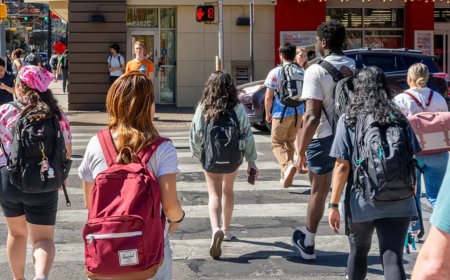
Hazardous heat is impacting Independence Day festivities across the eastern seaboard, stretching from New England to the Southeast. Saturday marks the third consecutive day of temperatures exceeding 100 degrees in metropolitan areas such as Philadelphia and Washington, DC, raising major safety concerns for large public events.
The extreme weather has already forced significant changes to the America 250 itinerary:
DC parade cancelled: The highly anticipated July Fourth parade set for Saturday morning in the nation’s capital was cancelled outright due to the severe heat.
State fair delayed: US President Donald Trump’s Great American State Fair has pushed back its opening, starting two hours late at 12 PM to avoid the morning's rapid temperature spikes.
Toll of the heat wave
At least 22 locations broke or tied daily temperature records on Thursday, with 17 more breaking or tying records on Friday. The heat wave, driven by a stagnant “heat dome” of high pressure and exacerbated by human-caused climate change, is causing widespread infrastructure and health impacts:
Heat-related illness and death: The extreme temperatures have already turned deadly. A 68-year-old man in Bethel Township, Pennsylvania, died of a heart attack due to heat exhaustion after trimming bushes on July 2, according to the Berks County Coroner’s Office. Meanwhile, the CDC reported "extremely high rates of heat-related illness" across the Northeast on Thursday.
NYC power outages: Thousands of customers in the New York metro area lost power Friday and into Saturday morning. Con Edison implemented strategic shutdowns and voltage reductions across Staten Island, Queens, the Bronx, Brooklyn, and Westchester to prevent more extended, catastrophic outages.
Air quality alerts: The stagnant heat dome is trapping pollutants, setting the stage for a double dose of unhealthy air. When the smoke from formal fireworks and impromptu street celebrations mixes with the oppressive heat, it can create air quality levels that rival those from wildfires—conditions that often won't clear until noon the following day.