









































































End of US-Iran war: what it means
THE Iran war was started by the USA and Israel together by bombing and killing Iran’s supreme leader and about 40 other leaders. The USA and Iran ended the war with an agreement in which Israel is not a part.
Actually, the war with Iran was forced on the USA by Israel for the purpose of stopping Iran from pursuing nuclear bomb manufacturing. Both the USA and Israel thought that together they could defeat Iran and change the leadership in Iran to a friendlier regime. Ever since 1979, after the Iranian revolution, the Islamic Republic, with its Islamic religious leader, Ayatollah as the supreme leader, has not been friendly to either Israel or the USA.
Iran never recognized Israel and it was against the Jewish state. Israel had several skirmishes - small and big - with its Islamic neighbors, and the USA always supported Israel to defend itself.
The US-Israel war on Iran started on Feb 28 and ended on June 17, 2026. When the US and Iran agreed on a Memorandum of Understanding to negotiate a peace plan, Israel did not join. The war started with Israel bombing the headquarters of the supreme leader, killing him, his wife, his assistant, and about 40 other top leaders.
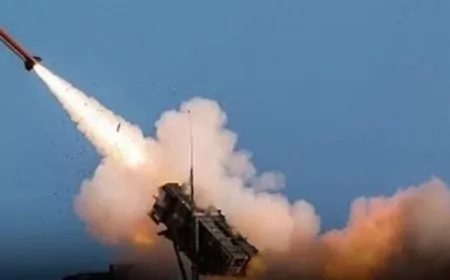
Then US-Israeli airstrikes continued targeting Iranian military and government sites. Iran responded by sending ballistic missiles at Israel and US bases in the Gulf countries. Iran could close the ship traffic through the Strait of Hormuz, which would disrupt the global flow of oil from the Gulf countries and other shipments, thus disrupting the global economy. Oil prices went up all over the world, including in the US. Prices of goods, including fertilizer for farming, went up in the US. The undeclared war became a liability for the US administration, which forced them to come to an agreement.
The MOU that the US signed with Iran calls for lifting all sanctions on Iran's selling goods to others. The MOU requires the United States to issue waivers for the export of Iranian crude oil, petroleum products and derivatives, and all associated services, including banking transactions. This means immediate revenue streaming for Iran. The MOU allows free and open flow of shipping through the Strait of Hormuz for 60 days while Iran and Oman are discussing a plan for some type of payment for the passage. The MOU agreed for the US and Gulf countries to create a $300 billion Iran reconstruction plan.
The major objectives of the war were to make regime change in Iran and stop Iran from manufacturing nuclear bombs. The regime change never happened even though they could kill many leaders. Iran has 60 percent enriched uranium. They have agreed to continue negotiations on Iran’s plan with this uranium and come to a resolution.
There is no winner to this war, including Israel. Iran may have an edge now because they can control the Strait of Hormuz, there is no regime change and the 60 percent enriched uranium is still in its possession.