





























































How India's 'Mango Man' grew more than 300 types of mangoes on just one tree
WHAT if a single mango tree could offer the flavours, aromas and colours of hundreds of different varieties?
For most people, it would sound impossible. Yet in Malihabad, Uttar Pradesh, a region renowned for its mango orchards, one man has spent decades turning that idea into reality.
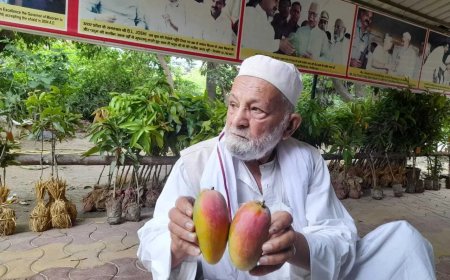
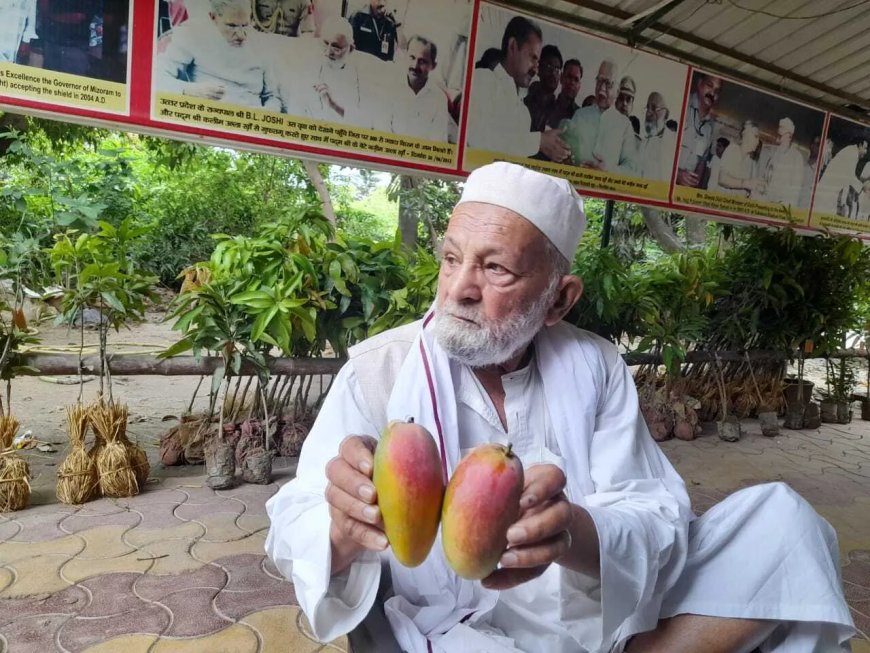
Kalimullah Khan, widely known as the 'Mango Man of India', has transformed a century-old mango tree into a remarkable horticultural wonder that bears more than 300 varieties of mangoes.
Recognised as a Padma Shri recipient and featured in the Limca Book of Records, he has demonstrated how curiosity, patience and innovation can redefine traditional farming practices.
A Passion That Began In The Orchard
According to The Better India, the 85-year-old horticulturist's path was far from conventional. He was never drawn to academics and left school after failing Class 7. Instead, he spent much of his time in his family's mango orchards in Malihabad.
Speaking to The Better India, Khan said that while studies never interested him, he discovered he could devote himself completely to work he genuinely enjoyed. Surrounded by mango trees, he became fascinated by the possibilities of cultivation and experimentation.
His ambitious journey began in 1957 when he attempted to grow a tree that could bear seven different mango varieties. However, floods that year destroyed the sapling. Rather than giving up, he used the experience as a lesson in understanding soil conditions and managing flood-related challenges in orchards.
A Failed Experiment Led To A Breakthrough
The setback only strengthened Khan's determination. He began studying and experimenting with grafting - an age-old horticultural technique that involves joining parts of different plants so they grow as one.
Years of trial and error followed. By 1987, Khan started grafting multiple mango varieties onto a single tree located on his family's 22-acre orchard.
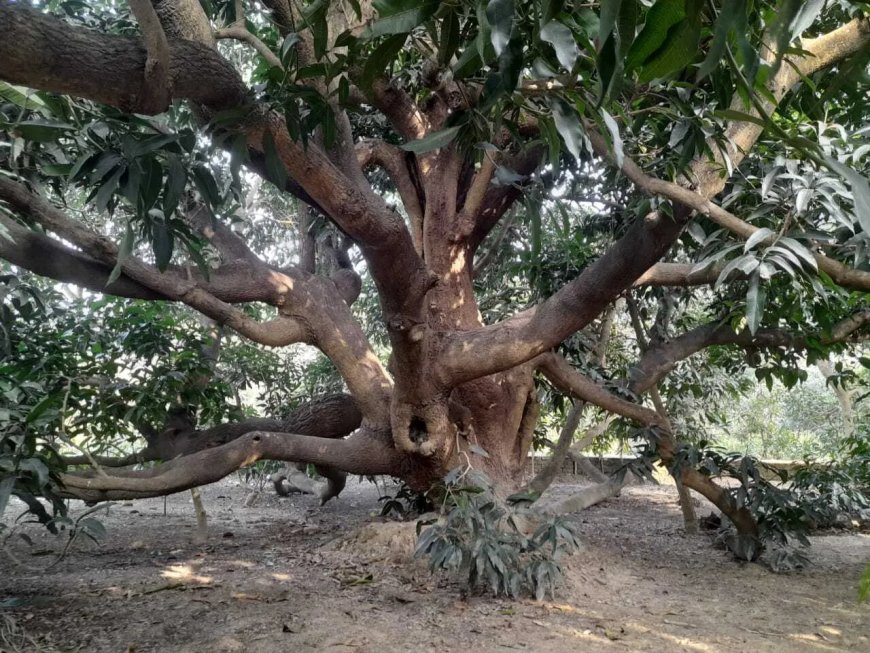
The tree, which he says belonged to his grandfather, is now around 125 years old and continues to thrive.
Over the decades, the number of grafts steadily increased. What began as a bold idea eventually evolved into a tree carrying around 300 varieties of mangoes, each with its own distinct appearance, flavour and fragrance.
How Can One Tree Produce Hundreds Of Mango Varieties?
The secret lies in grafting. The process starts with a healthy rootstock - a young mango plant with a strong root system. Branches from different mango varieties are then carefully attached to the rootstock.
Over time, these grafts fuse with the host tree and continue to grow while retaining the characteristics of their original variety.
When done correctly, a single tree can produce mangoes that differ in size, colour, texture, and taste while sharing the same root system.
A Tree Filled With Famous Mangoes
The tree is home to some of India's best-known mango varieties, including Alphonso, Dasheri, Kesar, Langra and Chaunsa. Alongside these are several unique hybrids.
One of Khan's earliest named varieties was "Aishwarya", a mango dedicated to Bollywood actor Aishwarya Rai Bachchan.
In an earlier interview with AFP, Khan said the fruit mirrored the elegance of the former Miss World. The mango can weigh over a kilogram, features a reddish-crimson blush on its skin, and is known for its exceptionally sweet taste.
Over the years, Khan has also honoured prominent personalities through his mango creations. Some varieties bear the names of Prime Minister Narendra Modi and cricket legend Sachin Tendulkar, reflecting the horticulturist's admiration for individuals who have left a lasting impact in their respective fields.
Another distinctive variety from his orchard is "Anarkali", named after the pomegranate blossom. The hybrid stands out for its unusual characteristics, featuring two layers of skin and two different kinds of pulp, each with its own aroma and flavour profile.
A Wonderful Mango Tree Nurtured With Love And Skills
Today, his orchard stands as a testament to decades of experimentation and dedication. For visitors, it offers the rare opportunity to see hundreds of mango varieties growing from a single tree. For Khan, however, it is the result of a lifelong relationship with the mango trees he believes taught him everything he knows.