
















































Why Kerala’s low-alcohol liquor tax cuts have sparked a political row
A month after the United Democratic Front (UDF) government took office in Kerala, Chief Minister VD Satheesan is facing criticism from the Opposition, sections within his own coalition, and religious leaders over a decision to slash taxes on low-alcohol liquor.The controversy centres on a provision in the revised Budget for 2026-27 that significantly reduces the sales tax on liquor with alcohol content of up to 20%.What did the government announce?Presenting the revised Budget, Chief Minister VD Satheesan, who also holds the Finance portfolio, announced that low-alcohol liquor would be taxed at 120% and 175%, depending on its alcohol content. Currently, all Indian-made foreign liquor (IMFL) alcohol in the state is taxed at 251%.Products containing up to 20% alcohol are classified as low-alcohol beverages. Most liquor currently sold in the state, including whisky, rum and brandy, contains around 42% alcohol and is taxed at 251%.According to the Budget documents, products containing 0.5% to 10% alcohol by volume (v/v) will attract a sales tax of 120%, while products with alcohol content above 10% and up to 20% v/v will be taxed at 175%. Alcohol strength is measured as v/v (volume by volume), which refers to the proportion of pure alcohol in a beverage. For example, a drink with 10% alcohol v/v contains 10 ml of pure alcohol in every 100 ml of the beverage.Why does the government say the tax cut was needed?The government has maintained that the decision is not a new policy initiative but a continuation of changes introduced under the previous Left Democratic Front (LDF) government.Excise Minister Liju has reiterated that the classification of products containing 0.5% to 20% alcohol as low-alcohol beverages was introduced by the previous LDF government. The revised Budget says the tax changes are intended to bring clarity to the tax structure applicable to products in this category.The Abkari policy is Kerala’s annual policy governing the manufacture, sale, distribution and taxation of alcoholic beverages in the state. Under the Abkari Policy for 2022-23, the LDF had amended the Foreign Liquor Rules to classify liquor containing 0.5% to 20% alcohol by volume (excluding beer and wine) as "low alcoholic beverages". The change was aimed at creating a regulatory framework for the manufacture and sale of such products, including beverages made from locally sourced fruits, grains and other agricultural produce. While the category was introduced then, a separate tax structure was not fixed. Why has the move sparked criticism within the UDF?The decision appears to have caught even some members of the ruling coalition off guard.Excise Minister M Liju said that the decision regarding taxation is an administrative one taken by the government and that whether or not such ‘low alcoholic beverages’ should be sold in Kerala is a policy-level decision that has not yet been discussed by the UDF.Chief Minister Satheesan also reportedly received a strongly-worded letter from former president of the Kerala Pradesh Congress Committee (KPCC) VM Sudheeran. Known for his push for prohibition under the Oommen Chandy government, Sudheeran said that the tax cuts announced by Satheesan promote alcohol and goes against the Congress manifesto promise of tackling alcohol and drug issues. Among those upset by the decision are also leaders of minority communities, as well as the Indian Union Muslim League (IUML), a major ally of the Congress in Kerala. Concerns regarding the tax cuts should be discussed and addressed, IUML chief Panakkad Sadiq Ali Shihab Thangal told the government in an article published in the party mouthpiece Chandrika. Leaders of the Church have also criticised the tax cut. The State Committee of the Temperance Commission under the Kerala Catholic Bishops’ Council called it a revenue-boosting move that would encourage the youth to take to drinking. It also said that the Committee would resist the government’s move if the concerns are not addressed. Several leaders of the Church also said that there is no merit in saying that reducing the price of low-alcohol products would deter the youth from taking to more harmful substances.What are the Opposition's allegations?The Opposition Communist Party of India (Marxist) has alleged that the tax reduction is designed to benefit a private liquor manufacturer.Leader of Opposition Pinarayi Vijayan told the Assembly that a Karnataka-based liquor company had earlier approached the previous LDF government seeking lower tax rates. He alleged that the UDF government's decision would enable the company to earn excessive profits.Former Excise minister MB Rajesh also raised corruption allegations against Chief Minister Satheesan. However, the government has rejected suggestions that the move represents a major policy shift.
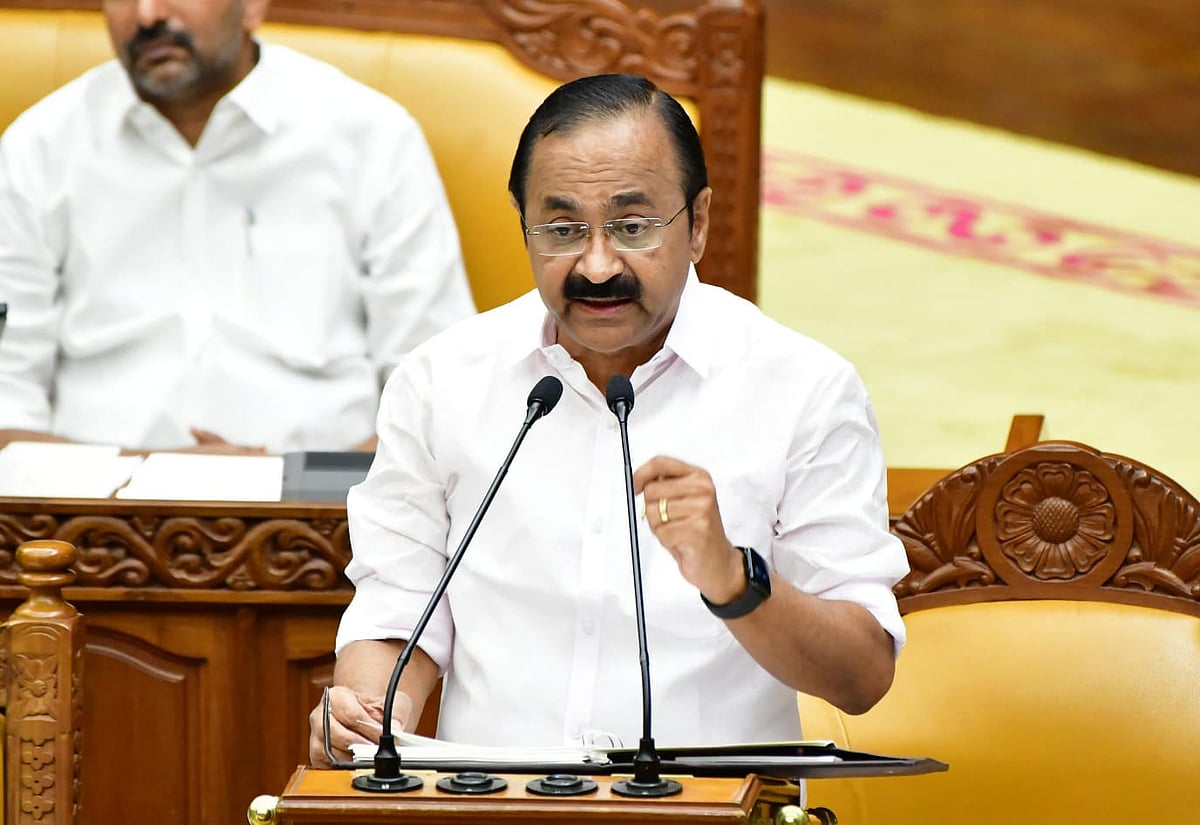
A MONTH after the United Democratic Front (UDF) government took office in Kerala, Chief Minister VD Satheesan is facing criticism from the Opposition, sections within his own coalition, and religious leaders over a decision to slash taxes on low-alcohol liquor.
The controversy centres on a provision in the revised Budget for 2026-27 that significantly reduces the sales tax on liquor with alcohol content of up to 20%.
What did the government announce?
Presenting the revised Budget, Satheesan, who also holds the Finance portfolio, announced that low-alcohol liquor would be taxed at 120% and 175%, depending on its alcohol content. Currently, all Indian-made foreign liquor (IMFL) alcohol in the state is taxed at 251%.
Products containing up to 20% alcohol are classified as low-alcohol beverages. Most liquor currently sold in the state, including whisky, rum and brandy, contains around 42% alcohol and is taxed at 251%.
According to the Budget documents, products containing 0.5% to 10% alcohol by volume (v/v) will attract a sales tax of 120%, while products with alcohol content above 10% and up to 20% v/v will be taxed at 175%.
Alcohol strength is measured as v/v (volume by volume), which refers to the proportion of pure alcohol in a beverage. For example, a drink with 10% alcohol v/v contains 10 ml of pure alcohol in every 100 ml of the beverage.
Why does the government say the tax cut was needed?
The government has maintained that the decision is not a new policy initiative but a continuation of changes introduced under the previous Left Democratic Front (LDF) government.
Excise Minister Liju has reiterated that the classification of products containing 0.5% to 20% alcohol as low-alcohol beverages was introduced by the previous LDF government. The revised Budget says the tax changes are intended to bring clarity to the tax structure applicable to products in this category.
The Abkari policy is Kerala’s annual policy governing the manufacture, sale, distribution and taxation of alcoholic beverages in the state. Under the Abkari Policy for 2022-23, the LDF had amended the Foreign Liquor Rules to classify liquor containing 0.5% to 20% alcohol by volume (excluding beer and wine) as "low alcoholic beverages".
The change was aimed at creating a regulatory framework for the manufacture and sale of such products, including beverages made from locally sourced fruits, grains and other agricultural produce. While the category was introduced then, a separate tax structure was not fixed.
Why has the move sparked criticism within the UDF?
The decision appears to have caught even some members of the ruling coalition off guard.
Excise Minister M Liju said that the decision regarding taxation is an administrative one taken by the government and that whether or not such ‘low alcoholic beverages’ should be sold in Kerala is a policy-level decision that has not yet been discussed by the UDF.
Chief Minister Satheesan also reportedly received a strongly-worded letter from former president of the Kerala Pradesh Congress Committee (KPCC) VM Sudheeran. Known for his push for prohibition under the Oommen Chandy government, Sudheeran said that the tax cuts announced by Satheesan promote alcohol and go against the Congress manifesto promise of tackling alcohol and drug issues.
Among those upset by the decision are also leaders of minority communities, as well as the Indian Union Muslim League (IUML), a major ally of the Congress in Kerala. Concerns regarding the tax cuts should be discussed and addressed, IUML chief Panakkad Sadiq Ali Shihab Thangal told the government in an article published in the party mouthpiece Chandrika.
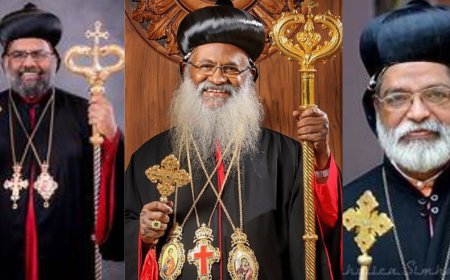
Leaders of the Church have also criticised the tax cut. The State Committee of the Temperance Commission under the Kerala Catholic Bishops’ Council called it a revenue-boosting move that would encourage the youth to take to drinking. It also said that the Committee would resist the government’s move if the concerns are not addressed. Several leaders of the Church also said that there is no merit in saying that reducing the price of low-alcohol products would deter the youth from taking to more harmful substances.
What are the Opposition's allegations?
The Opposition Communist Party of India (Marxist) has alleged that the tax reduction is designed to benefit a private liquor manufacturer.
Leader of Opposition Pinarayi Vijayan told the Assembly that a Karnataka-based liquor company had earlier approached the previous LDF government seeking lower tax rates. He alleged that the UDF government's decision would enable the company to earn excessive profits.
Former Excise minister MB Rajesh also raised corruption allegations against Chief Minister Satheesan.
However, the government has rejected suggestions that the move represents a major policy shift.