












































Wayanad must not become a laboratory for reckless development
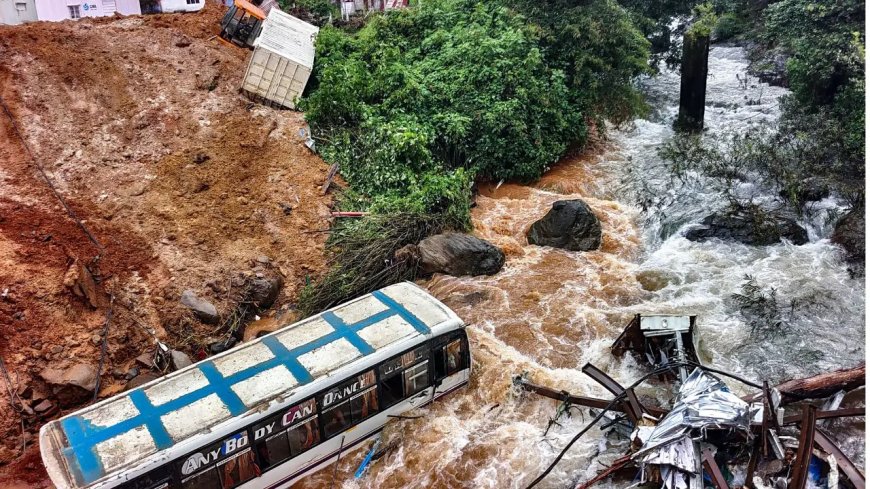
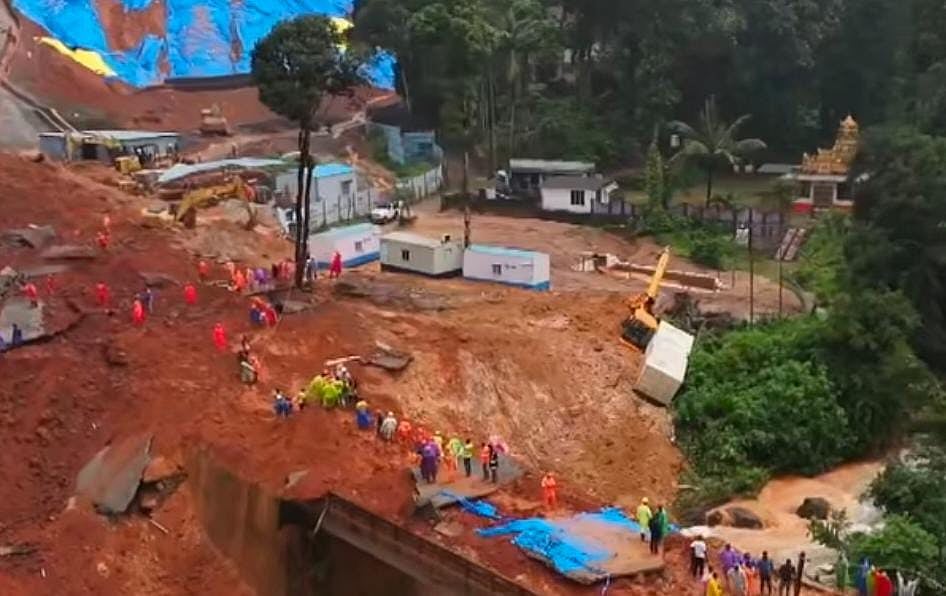
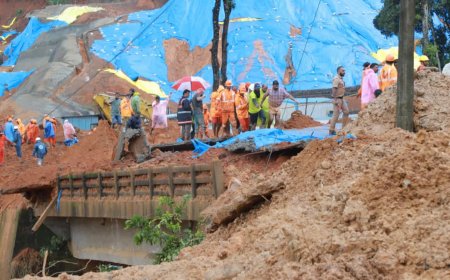
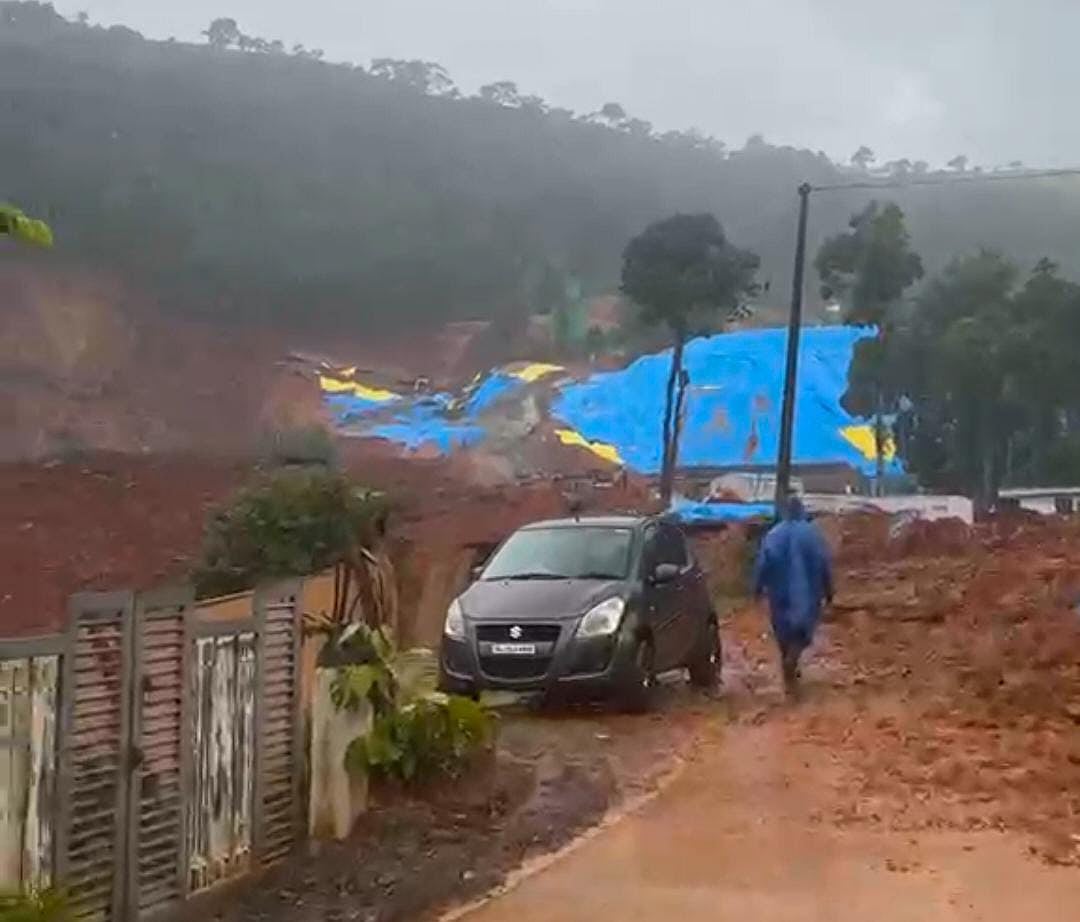
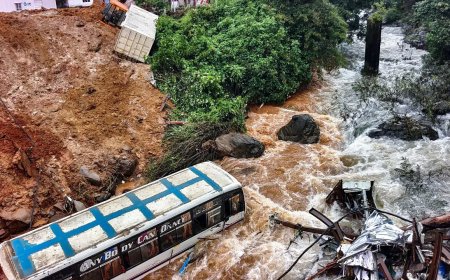
TUESDAY’S tragic landslip at the tunnel project site in Wayanad is more than another monsoon disaster. It is a grim reminder that nature continues to warn us against treating the fragile Western Ghats as a testing ground for unrestrained development.
The loss of lives, injuries to workers, and the destruction caused by the landslip demand not only immediate relief and rescue but also a fundamental reassessment of how projects are planned and executed in ecologically sensitive regions.
Recent reports indicate that heavy rain combined with concerns over the handling of excavated earth and construction practices may have contributed to the disaster, and an investigation is underway.
The tragedy becomes even more painful because Wayanad has not forgotten the catastrophic landslides of 2024. Those disasters should have transformed the district into a model of scientific planning and environmental caution.
Instead, another serious incident has occurred in the same vulnerable landscape, raising uncomfortable questions about whether the lessons of the past have truly been learned.
Infrastructure development is essential for economic progress, but development that ignores geology, hydrology, and environmental science is not progress — it is a costly gamble.
Roads, tunnels, quarries, resorts, and other large-scale projects in landslide-prone areas must undergo rigorous, transparent, and independent environmental and geological assessments.
Commercial interests or political expediency should never override public safety.
The immediate priority is to complete rescue operations, compensate affected families, and conduct a credible judicial or expert inquiry into the causes of the landslip.
If negligence, unscientific dumping of excavated material, or violations of safety norms are established, those responsible must be held fully accountable.
Looking ahead, Kerala needs a long-term policy for all development projects in fragile hill regions. No major project should proceed without continuous geological monitoring, strict compliance with environmental safeguards, and independent safety audits.
High-risk zones should be clearly identified and declared off-limits for projects that could destabilise slopes or alter natural drainage patterns.
Climate change is intensifying extreme rainfall events, making already vulnerable regions even more hazardous. This reality demands greater caution — not greater complacency.
Sustainable development is not an obstacle to progress; it is the only path that ensures development without sacrificing human lives and natural heritage.
The hills of Wayanad have spoken once again. It is now the responsibility of governments, planners, contractors, and society as a whole to listen.
Ignoring these warnings will only ensure that today's tragedy becomes tomorrow's recurring headline.