



















































































27 flight cancellations and over 500 delays disrupt major airlines across key cities
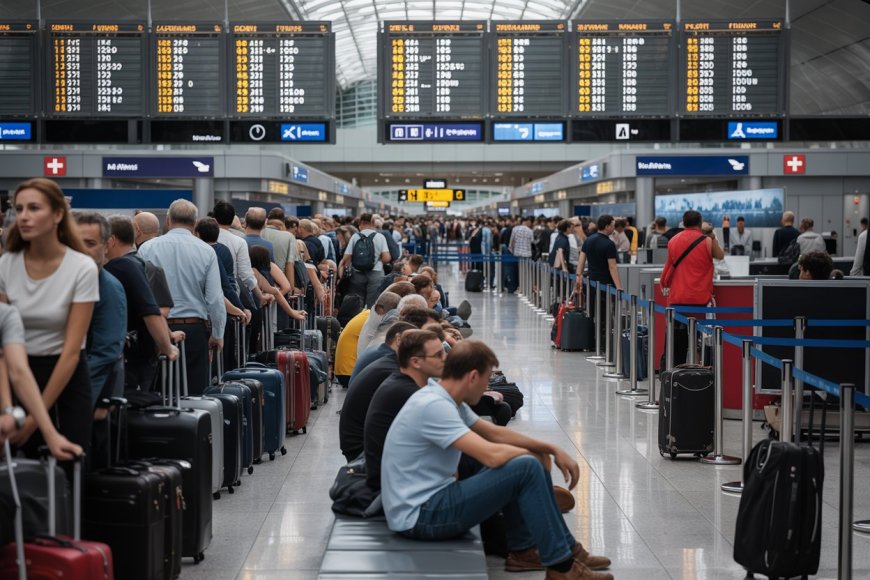
HUNDREDS of passengers across Australia and New Zealand faced significant travel disruptions as Virgin Australia, Air New Zealand, Qantas, Jetstar, and QantasLink reported a combined total of 27 flight cancellations and 574 delays.
These disruptions affected multiple major airports, including Melbourne Tullamarine, Sydney, Brisbane, Auckland, Wellington, Christchurch and Nelson.
Melbourne Tullamarine Airport saw the highest level of disruption with 183 delays and 11 cancellations, accounting for nearly one-third of all recorded delays in the region.
Sydney Airport followed with 147 delays and 4 cancellations, while Brisbane experienced 124 delays and 6 cancellations.
Auckland Airport reported 83 delays and 1 cancellation, with smaller airports such as Wellington, Christchurch, and Nelson seeing fewer but still notable disruptions.
Jetstar recorded the largest number of cancellations, totalling 19, and also led in delays with 48. Air New Zealand had 74 delays but only 4 cancellations, primarily affecting flights at Auckland Airport. Qantas reported 65 delays without any cancellations, reflecting operational challenges but a strong effort to maintain services.
Virgin Australia experienced 82 delays and 2 cancellations, particularly impacting Sydney and Brisbane flights. QantasLink faced 57 delays and 1 cancellation, highlighting pressure on regional networks.
Airport-Specific Impact
Melbourne Tullamarine Airport: 183 delays, 11 cancellations—dominated by high-frequency domestic flights.
Sydney Airport: 147 delays, 4 cancellations—affecting Jetstar, Qantas, Virgin Australia.
Brisbane Airport: 124 delays, 6 cancellations—Jetstar responsible for all cancellations here.
Auckland Airport: 83 delays, 1 cancellation—mainly delays on Air New Zealand services.
Wellington Airport: 12 delays, 3 cancellations—moderate disruption relative to airport size.
Passenger Impact and Recommendations
Travellers have been advised to allow extra time for connections, remain flexible with short-haul itineraries, and monitor airline notifications closely to accommodate rolling schedule changes. Prioritizing carry-on essentials is recommended in case of rebooking, and reviewing airport-wide disruption trends before departure can help manage expectations.
Context on Disruptions
Flight cancellations were relatively limited in volume but disproportionately concentrated among a few carriers, mainly Jetstar and Air New Zealand. Most cancellations occurred on high-traffic domestic routes, where even a small number of cancellations caused significant ripple effects.
Meanwhile, delays represented the bulk of operational issues, leading to longer waiting times and connection challenges rather than outright loss of flights.
US-linked carriers showed minimal disruption across Oceania airports during this period, with the challenges largely confined to locally based carriers handling domestic and regional networks within Australia and New Zealand. This pattern underscores the complexities in managing high-frequency flight schedules amid rising passenger volumes and operational pressures.
Data from various airports and FlightAware confirms that ongoing coordination between airlines and airports will be crucial to mitigating further travel delays and cancellations in the coming weeks. Passengers travelling within and between Australia and New Zealand should expect continued schedule volatility and plan accordingly.