
















































Qatar overtakes UAE, Oman, Saudi Arabia and Kuwait as Doha takes the lead in GCC tourism
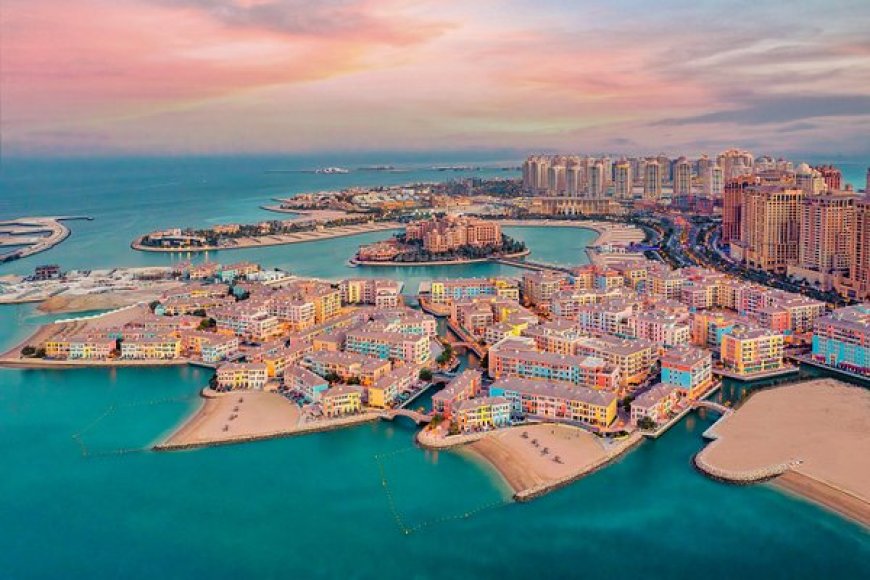
QATAR has overtaken the UAE, Oman, Saudi Arabia, and Kuwait as Doha takes the lead in GCC tourism, securing the prestigious GCC Tourism Capital 2026 title. This remarkable achievement is a testament to Qatar’s continued growth as a global tourism destination, driven by its world-class infrastructure, cultural richness, and sustainable tourism initiatives.
With the title, Doha is poised to not only strengthen its own position in the global tourism landscape but also to lead regional efforts to enhance cooperation and integration across the Gulf Cooperation Council, setting the stage for an exciting year of innovation and growth in 2026.
In a monumental announcement, Doha has been officially named the GCC Tourism Capital for 2026, outshining the UAE, Oman, Saudi Arabia, and Kuwait in a highly competitive bid. This prestigious title, awarded by the Gulf Cooperation Council (GCC), marks a new chapter for Qatar, propelling it to the forefront of tourism in the Gulf and paving the way for a year of unprecedented regional growth and collaboration.
The decision, confirmed by the tourism ministers of the GCC member states, highlights Doha’s remarkable tourism evolution. The capital of Qatar now stands poised to showcase its strengths as a dynamic, sustainable, and culturally rich destination, ready to shape the future of Gulf tourism.
Doha’s Winning Bid: A Vision for Sustainable Growth
Doha’s selection as the GCC Tourism Capital 2026 was not by chance. The city’s bid was carefully crafted by Qatar Tourism, reflecting a strategic vision aligned with national priorities. The bid outlined Qatar’s long-term commitment to tourism as a major driver of economic diversification. With the goal of reducing its dependence on oil and gas revenues, the country has positioned tourism as a key pillar of growth.
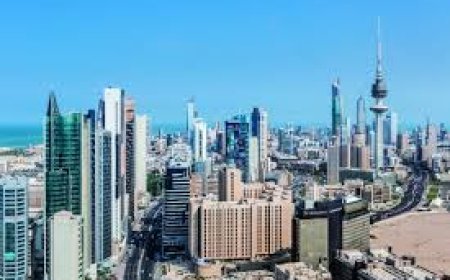
The vision emphasized Doha’s unique balance between cultural heritage and urban innovation. The city has been undergoing a transformation, blending traditional Qatari culture with cutting-edge infrastructure, creating a destination that appeals to both modern travelers and those seeking an authentic cultural experience. With its iconic skyline, world-class facilities, and rich history, Doha offers something for everyone — from leisure travelers to business tourists and those in search of cultural immersion.
Key Factors Behind Doha’s Success
Several factors contributed to Doha’s success in clinching the GCC Tourism Capital title:
Advanced Infrastructure: Doha’s world-class transport network played a key role in securing the title. Hamad International Airport, renowned for its operational excellence, is a central hub connecting Doha to over 170 destinations worldwide. This is complemented by Qatar Airways, which has become one of the most recognized names in global aviation.
The city’s integrated metro and tram systems ensure seamless connectivity, making it easier than ever for visitors to explore every corner of Doha.
Sustainability and Heritage Preservation: Qatar’s commitment to sustainability was a driving force behind its selection. The country has invested in eco-friendly tourism projects, with a focus on heritage preservation, sustainable hospitality, and green spaces. Initiatives like the Doha Corniche redevelopment and Al Janoub Stadium (a FIFA World Cup 2022 venue) underscore the country’s dedication to blending modernity with environmental stewardship.
Flexible Visa Policies: Qatar has also made strides in making its tourism offerings more accessible. The Hayya platform, introduced as part of Qatar’s World Cup preparations, allows visitors from many countries to obtain visas with ease.
This flexibility has been expanded to encourage more international tourists to visit throughout 2026, further strengthening Qatar’s position as a global tourism leader.
Business and Investor-Friendly Environment: Qatar’s competitive business climate, supported by favourable policies for investors, ensures that tourism-related businesses have the resources and infrastructure needed to thrive.
The country’s robust financial sector and partnerships with international organisations and regional players add to its appeal as a top destination for business and leisure alike.
Cultural and Entertainment Programs: As part of the GCC Tourism Capital 2026 designation, Doha is set to roll out an exciting lineup of cultural, entertainment, and community events. These initiatives will showcase the diverse experiences the city offers, from traditional Qatari performances and exhibitions to cutting-edge music festivals, art shows, and culinary experiences.
Qatar’s push for a year-round calendar of events is designed to ensure there is always something to draw tourists to the city, whether for a cultural festival, sports event, or leisure activity.
A Unified GCC Tourism Strategy
Qatar’s victory also aligns with broader efforts to integrate tourism strategies across the GCC. The title of Tourism Capital is part of a concerted effort by the GCC to improve regional tourism collaboration, focusing on enhancing the tourism experience across all member states.
The initiative encourages the promotion of multi-destination travel within the Gulf, making it easier for travellers to visit multiple countries with a single trip. In the coming years, this could include the launch of a unified tourism visa system, allowing visitors to travel across Bahrain, Kuwait, Oman, Qatar, Saudi Arabia, and the UAE without the need for separate visas for each country. Such a system would simplify travel logistics and increase the flow of regional and international tourists.
The GCC is also working to boost intra-GCC travel. Qatar’s commitment to the GCC Tourism Capital program will serve as a catalyst for increasing tourism across the Gulf, with greater cooperation in marketing campaigns, joint promotions, and shared tourism initiatives.
The Impact of GCC Tourism Capital on Qatar’s Economy
The GCC Tourism Capital 2026 title is expected to generate significant economic benefits for Qatar. Tourism in Qatar already contributes heavily to the economy, but this designation will push that contribution even further. Increased tourism will drive demand for hotels, restaurants, retail, transport, and entertainment, leading to job creation and economic diversification.
Additionally, the Tourism Capital title offers Qatar the opportunity to position itself as a key player in the growing Middle Eastern tourism sector. The government has already outlined plans to increase tourism revenue by encouraging long-term visitors and creating partnerships with major international tourism organisations.
One of the immediate benefits of the GCC Tourism Capital initiative is the marketing and branding opportunities it presents. Qatar can now capitalise on this high-profile designation, driving international attention to its cultural offerings, hospitality, and modern attractions. With large-scale promotional campaigns both regionally and globally, Doha will have a chance to solidify its reputation as a premium tourism destination.
Looking Ahead: What to Expect in 2026
As Qatar prepares to host the GCC Tourism Capital 2026 year-long celebrations, there are high expectations for the transformative impact this will have on the country and the broader region. With the spotlight firmly on Doha, the city will be an epicentre for global tourism, with an influx of international visitors eager to explore its rich culture, world-class infrastructure, and vibrant tourism experiences.
For travellers, this means enhanced accessibility, more flight options, better connectivity, and a host of new events and experiences to look forward to. For Qatar, it represents a golden opportunity to solidify its role as a leader in Gulf tourism while contributing to the growth of the entire region.