






























Venezuelan government begins releasing political prisoners
THE Venezuelan government has started releasing detainees considered political prisoners by human rights groups in what officials described as a goodwill gesture, reports the BBC.
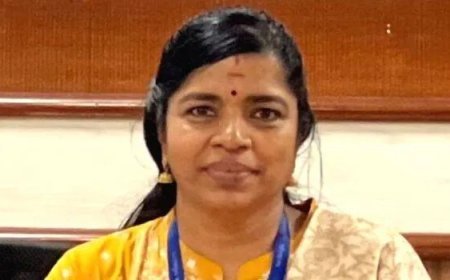
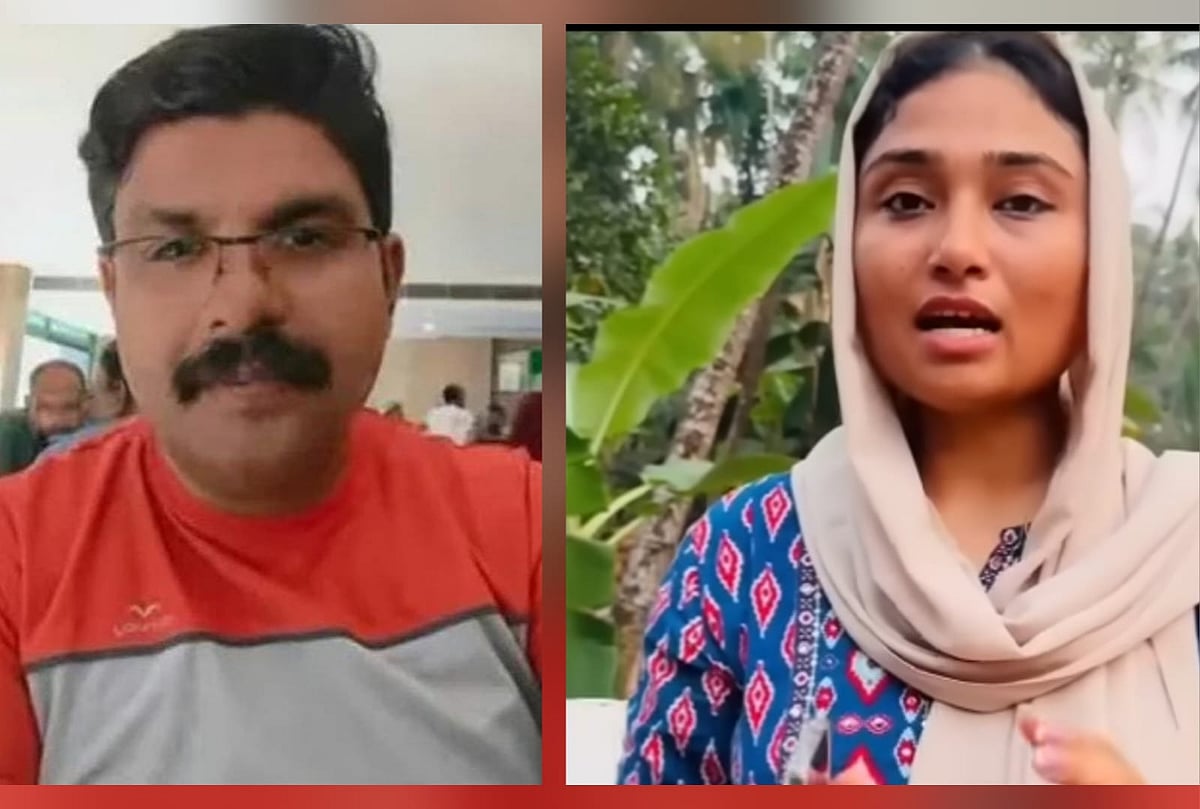
Spain's foreign ministry said five of its nationals had been released. Among them is prominent Venezuelan-Spanish rights activist Rocío San Miguel, whose family confirmed to US media.
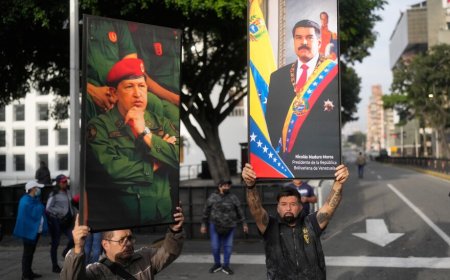
The move comes after the US seized Venezuela's President Nicolás Maduro in a lightning raid on the capital, Caracas, on Saturday, to face drug trafficking charges in New York.
The release of political prisoners in Venezuela has been a long-held US demand, especially during moments of heightened repression around elections or protests.
Jorge Rodríguez, the head of Venezuela's National Assembly and the brother of its interim president Delcy Rodríguez, announced on state television that "a significant number" would be released immediately, without specifying the number or identity of prisoners being freed.
Hundreds of political prisoners are detained in Venezuelan prisons, with only a handful thought to have been released so far.
Jorge Rodríguez said the interim government was releasing them in the interest of "national unity and peaceful coexistence."
Rocío San Miguel, a vocal critic of Maduro and a defence expert, was the first prisoner confirmed to be freed. Her family told the New York Times that she was taken to the Spanish embassy in Caracas.
Arrested in 2024, she was accused of being involved in a plot to kill the then-president and faced charges of treason, conspiracy, and terrorism. Her arrest shocked human rights activists and, because her whereabouts were unknown, was labelled as a potential "enforced disappearance" by the UN Human Rights Office.
Venezuelan human rights organisations - some of which have members or their founders in jail - welcomed the news with caution.
Despite being a key lieutenant of Maduro, Delcy Rodríguez's interim administration has appeared willing to cooperate with the US since it took its leader and made sweeping declarations about the South American nation's future.
About 50 to 80 prisoners are believed to be held at the notorious El Helicoide prison, which US President Donald Trump announced would be closed following Maduro's capture.
The prison gained international notoriety for detaining alleged political opponents, with reports by human rights groups of torture, including beatings and electrocution.
The announcement also comes shortly after US President Donald Trump stated that he had "given orders to close that prison," which had become one of the most notorious symbols of political repression in the country.
Venezuelan human rights group Provea warned El Helicoide's anticipated closure should not deflect attention from the other detention sites still running across the country.
Opposition leader and Nobel Peace Prize winner Maria Corina Machado, who has several close allies in prison, has repeatedly demanded releases.
In a sit-down interview with the Fox News show Hannity, Trump said Machado was expected to come to the US "next week sometime.
Machado told host Sean Hannity earlier in the week that she wanted to give the US president her Nobel Peace Prize. When asked by Hannity whether Trump would accept the offer, he said "that would be a great honour".
Venezuela's opposition and human rights groups have said for years that the government used detentions to stamp out dissent and silence critics.
Since the widely disputed 2024 election, the opposition claimed legal proceedings against activists, journalists and political adversaries increased.
Attorney General Tarek Saab and others in the government repeatedly denied Venezuela held political prisoners, arguing those detained were arrested for genuine crimes.