































India-EU trade deal explained: Why the ‘Mother of All’ agreements matter
PM Modi has announced a landmark India-EU Free Trade Agreement that could reshape global trade dynamics. As two of the world's largest democratic markets unite, the deal promises to enhance collaboration across various sectors amidst rising geopolitical tensions. What does this mean for the future?

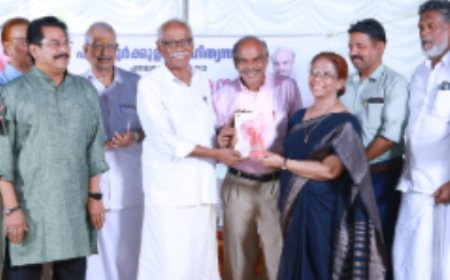
PRIME Minister Narendra Modi held a bilateral meeting with the President of the European Council, Antonio Luis Santos da Costa, and President of the European Commission, Ursula von der Leyen, in the national capital as part of the latter's ongoing state visit to India.
The meeting took place at Hyderabad House, with EU High Representative for Foreign Affairs and Security Policy Kaja Kallas also in attendance.
Earlier in the day, PM Modi announced the landmark India-EU Free Trade Agreement that could reshape global trade dynamics. Later, Leyen also announced that Europe and India are making history today by concluding the mother of all deals.
“We have created a free trade zone of two billion people, with both sides set to benefit. This is only the beginning. We will grow our strategic relationship to be even stronger,” she said in a post on X.
A formal India-EU Free Trade Agreement (FTA) is expected to be signed in six months. The deal will further strengthen India-EU collaboration across key policy areas such as trade, security and defence, the clean transition and people-to-people cooperation.
Why does the deal matter?
The deal, once finalised would end two decades long negotiations and partnership-building between two of the world's largest democratic markets.
From initial recognition in the 1960s to the establishment of annual summits and joint initiatives in the 21st century, the India-EU ties have progressed significantly, reflecting mutual interests in trade, investment, and sustainable develop, Ministry of External Affairs said.
Way back in 1962, India became one of the first countries to establish diplomatic relations with the European Economic Community, the EU's precursor.
Nipun Sharma, CEO, TeamLease Degree Apprenticeship said the EU-India Free Trade Agreement represents a significant opportunity for India to deepen its integration into global value chains, particularly in export-oriented manufacturing and high-value services.
“It can accelerate India’s shift from being largely an assembly and services destination to moving up the value chain across component manufacturing, testing, quality assurance, engineering, and services delivery, and becoming a competitive producer of electronics, automotive components, green technologies, pharmaceuticals, and digital services for European markets,” he said.
Experiences from agreements like the EU-Vietnam FTA show that trade liberalisation, when paired with investment and standards alignment, can unlock rapid export growth and industrial upgrading, Sharma said.
The Timing is Significant
The timing of the India-EU Free Trade Agreement (FTA) is significant. It comes amid heightened geopolitical turbulence and market uncertainty, driven in part by US President Donald Trump’s tariff postures and a Russia-Ukraine war that shows no signs of resolution.
The United States has already expressed discomfort over the timing of the landmark agreement. US Treasury Secretary Scott Bessent criticised the EU for concluding a trade pact with India while trade negotiations between New Delhi and Washington are still ongoing.
Speaking to ABC News, Bessent said that the US has borne a heavier burden than Europe in efforts to end the Russia-Ukraine war.
“We have put 25% tariffs on India for buying Russian oil. Guess what happened last week? The Europeans signed a trade deal with India,” he said accusing European countries of indirectly funding the war through energy trade.
“The Russian oil goes into India, the refined products come out, and the Europeans buy the refined products. They are financing the war against themselves,” he said, reiterating his old criticism of India’s oil purchases from Russia.
'India's largest trading partner for goods'
The EU remains India's largest trading partner for goods, with bilateral trade reaching approximately $136 billion in 2024-25. EU is also among India’s top overall trading partners in both goods and services.
The FTA, whenever rolled out, would significantly further boost trade between India and EU member states. This amid a global push to de-risk supply chains as trade disruptions intensify under the Trump administration’s policies in the US.
The trade pact may allow duty-free access to over 90 per cent of Indian goods in the vast EU market, which has 27 member countries, including, Germany, France, Italy, Spain and Belgium, according to an earlier report by Hindustan Times.
The trade agreement would mean tariffs on over 90% of EU goods exports will be eliminated or reduced, saving up to €4 billion per year in duties on European products, according to EU statements.
Also, it provides competitive advantage for EU exporters, with biggest trade opening India has given to any trade partner. It will also lead to simplification of customs procedures to make exports quicker and easier and ensure protection of EU intellectual property such as trademarks, according to the statement.
How does the agreement benefit EU industry?
India will grant the EU tariff reductions that none of its other trading partners have received, dramatically improving market access for EU exports.
We have created a free trade zone of two billion people, with both sides set to benefit. This is only the beginning.
For example, tariffs on cars will gradually go down from 110% to 10% with a quota of 250,000 vehicles a year. High tariffs of up to 44% on machinery, 22% on chemicals and 11% on pharmaceuticals will be mostly eliminated, the statement said.