











































































Supreme Court stays UGC Equity Regulations, cites risk of misuse and lack of safeguards
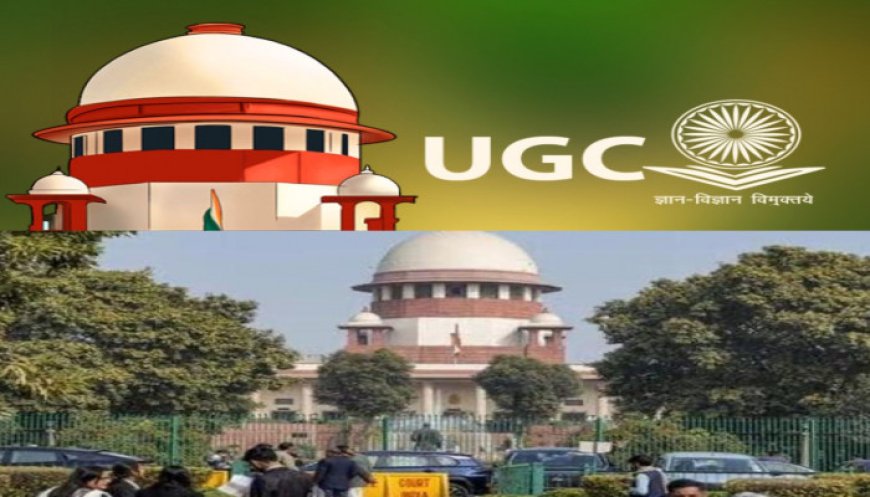
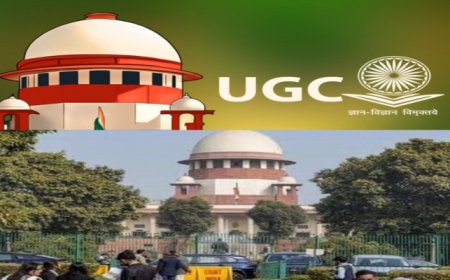
THE Supreme Court of India on Thursday stayed the University Grants Commission (Promotion of Equity in Higher Education Institutions) Regulations, 2026, which were notified by the University Grants Commission (UGC) on January 23, 2026.
For now, the court added, the UGC Regulations notified in 2012 will operate.
The regulations were challenged before the apex court by multiple petitioners, who described them as arbitrary, exclusionary, discriminatory, and violative of the Constitution and the University Grants Commission Act, 1956.
A Constitution Bench, led by Chief Justice of India Surya Kant, ordered that the contentious regulations be kept in abeyance pending detailed hearings on the petitions.
During the hearing, the Court expressed reservations that certain provisions were “capable of misuse” and raised concerns about the clarity of definitions and procedural safeguards in the regulatory framework.
Petitioners allege exclusionary and discriminatory provisions
Several writ petitions filed in the Supreme Court contend that the 2026 Regulations, which supersede the UGC’s earlier equity framework from 2012, are unconstitutional. Among the principal complaints is the definition of “caste-based discrimination” in Regulation 3(c), which restricts caste discrimination protection to members of the Scheduled Castes (SC), the Scheduled Tribes (ST) and the Other Backwards Classes (OBC).
Petitioners argue that this creates an exclusionary regime that denies general category students access to grievance redressal mechanisms and therefore violates the guarantee of equality under Articles 14 and 15 of the Constitution.
Advocate Vineet Jindal, appearing for one of the petitioners, submitted before the Court that by limiting the scope of protection to certain categories only, the Regulations institutionalise “reverse discrimination” and undermine the constitutional mandate to provide equality before the law to all citizens.
He urged the Court to strike down Regulation 3(c) or direct that its interpretation be read down to a caste-neutral standard.