



















Women’s collective seeks gender equal representation in Kerala elections
Follow TNM's WhatsApp channel for news updates and story links. Women’s rights organisation Thulya Prathinidhya Prasthanam (Equal Representation Movement) held an open forum in Thiruvananthapuram on Saturday, February 21, demanding gender-equal representation and reservation for women and gender minorities in Kerala’s electoral process.The meeting reiterated the movement’s core demand: proportional political representation for women and transgender persons in legislative bodies, local self-government institutions, and political parties. Speakers pointed out that women constitute more than half the population, yet remain severely underrepresented in decision-making spaces even after 75 years of Independence.Sulfath M Sulu, a representative of the organisation, said increasing women’s representation would fundamentally strengthen democracy. “Some may ask what difference would it make if women’s representation increases. It makes a difference. Equality of opportunity is democracy. Kerala’s women’s representation is below the national average, just around 8% in the Assembly. Women’s voices are necessary in framing all policies,” she said.Data presented at the forum highlighted that women’s representation in the first Lok Sabha in 1952 was 5% and has risen to only 13.8% over nearly three-quarters of a century. According to the 2025 figures of the Inter-Parliamentary Union, India ranks 150th out of 183 countries in women’s representation. In the Kerala Legislative Assembly, women MLAs account for just 8.5%, which is below the national average.Journalist MG Renuka, inaugurating the forum, argued that the low representation is not due to electability concerns. “Even in the recent Lok Sabha elections, the winning strike rate of women was higher than that of men. It is not that women cannot win, they are not being given opportunities. Political parties decide who contests, and those parties are led by men,” she said.Advocate Rema said democratic claims must be examined in light of who actually holds power. “When we speak about human rights indices, we must also ask who holds power in that society. In Kerala, power is overwhelmingly concentrated in men. So Kerala cannot truly be called a democratic society; it remains patriarchal,” she said.She also pointed to gaps within existing reservation structures. “Scheduled Castes and Scheduled Tribes have had reservations since Independence. Yet even within those categories, women’s representation is minimal. In Kerala’s 15 Assemblies, 14 seats are reserved for SC members each time. But in 75 years, there have been only 11 SC women MLAs in total,” she noted.The forum reiterated the constitutional basis for affirmative measures, citing provisions that allow special laws for women and the Supreme Court’s recognition of transgender rights. The movement argued that without reservation, women and transgender persons would continue to be denied their rightful share in legislative bodies, cabinets, and party leadership.The organisation also called for urgent steps to ensure transgender representation, including a comprehensive enumeration of transgender communities and their socio-economic status, nomination of a fixed number of transgender members to legislative bodies and local self-government institutions as an interim measure, and the formulation of laws and policies to guarantee proportional representation once data collection is complete.Women’s rights activists, including Kusumam Joseph, Geetha Nazeer, Adv Sandhya J, Sreeja Neyyattinkara, and Mercy Alexander participated in the open forum.
Follow TNM's WhatsApp channel for news updates and story links.
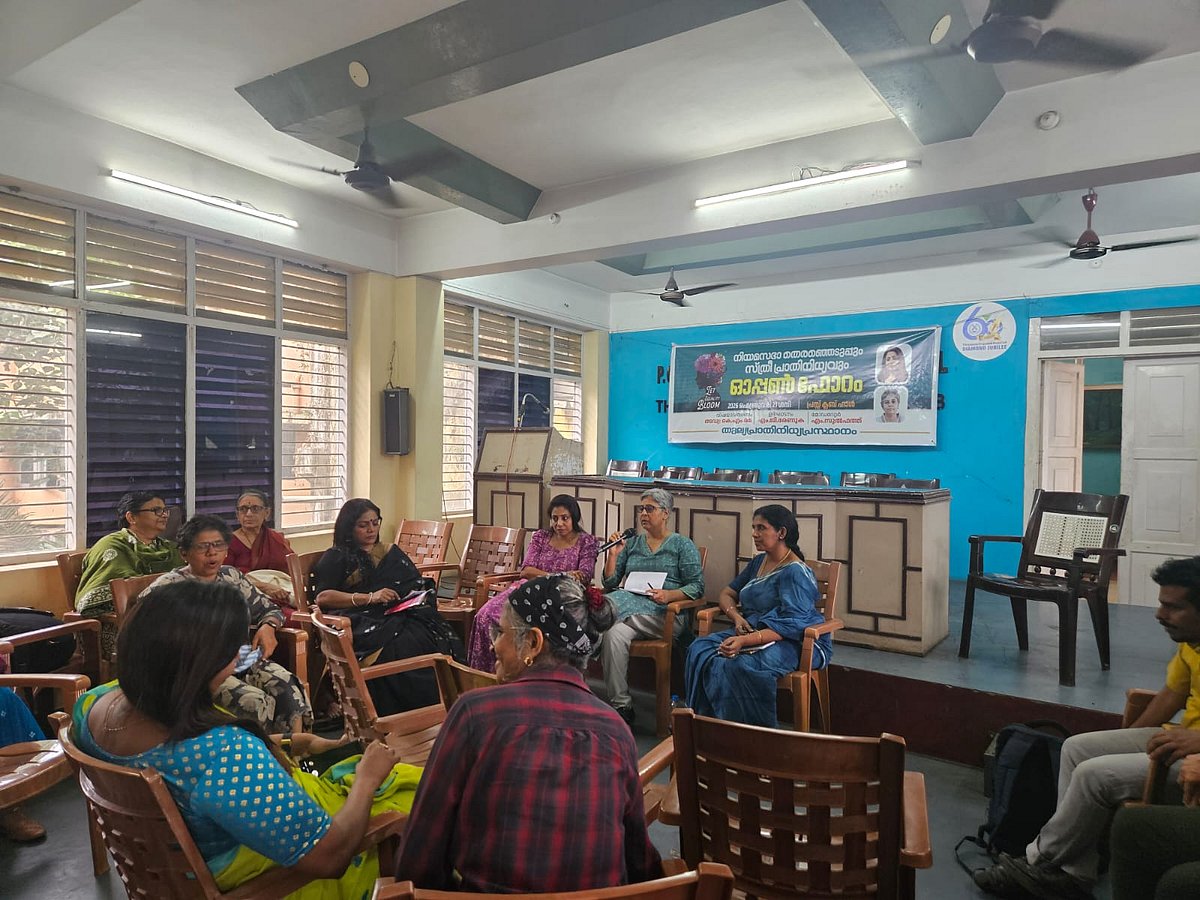
WOMEN’S rights organisation Thulya Prathinidhya Prasthanam (Equal Representation Movement) held an open forum in Thiruvananthapuram on Saturday, February 21, demanding gender-equal representation and reservation for women and gender minorities in Kerala’s electoral process.
The meeting reiterated the movement’s core demand: proportional political representation for women and transgender persons in legislative bodies, local self-government institutions, and political parties.
Speakers pointed out that women constitute more than half the population, yet remain severely underrepresented in decision-making spaces even after 75 years of Independence.
Sulfath M Sulu, a representative of the organisation, said increasing women’s representation would fundamentally strengthen democracy.
“Some may ask what difference would it make if women’s representation increases. It makes a difference. Equality of opportunity is democracy. Kerala’s women’s representation is below the national average, just around 8% in the Assembly. Women’s voices are necessary in framing all policies,” she said.
Data presented at the forum highlighted that women’s representation in the first Lok Sabha in 1952 was 5% and has risen to only 13.8% over nearly three-quarters of a century. According to the 2025 figures of the Inter-Parliamentary Union, India ranks 150th out of 183 countries in women’s representation.
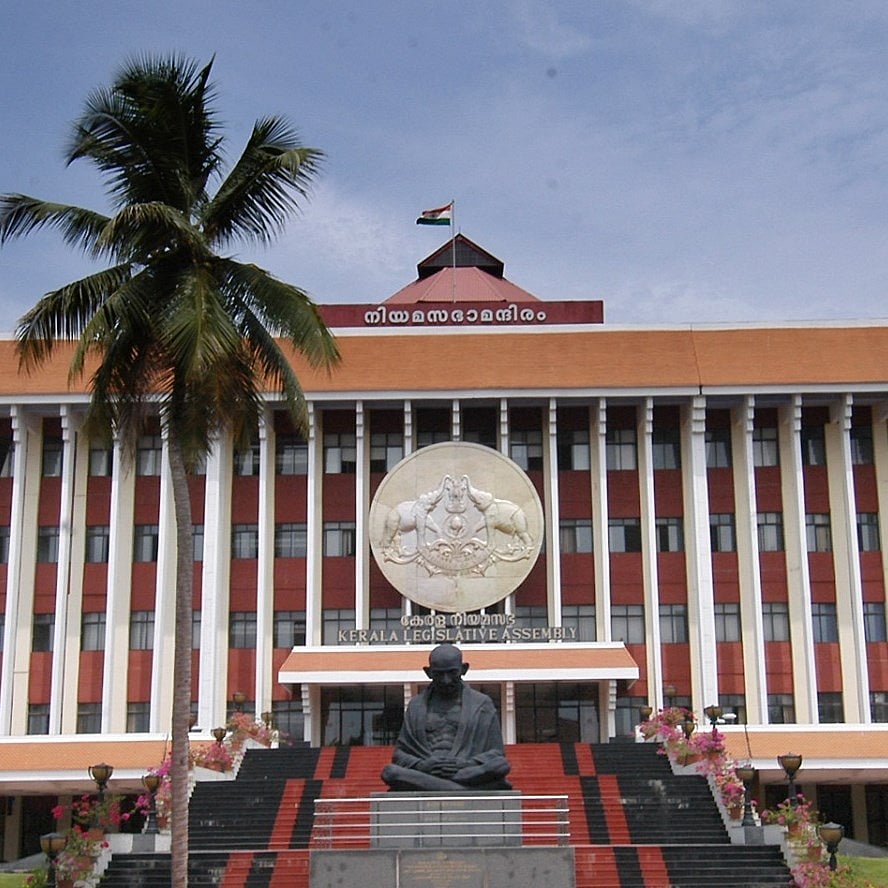
In the Kerala Legislative Assembly, women MLAs account for just 8.5%, which is below the national average.
Journalist MG Renuka, inaugurating the forum, argued that the low representation is not due to electability concerns.
“Even in the recent Lok Sabha elections, the winning strike rate of women was higher than that of men. It is not that women cannot win, they are not being given opportunities. Political parties decide who contests, and those parties are led by men,” she said.
Advocate Rema said democratic claims must be examined in light of who actually holds power.
“When we speak about human rights indices, we must also ask who holds power in that society. In Kerala, power is overwhelmingly concentrated in men. So Kerala cannot truly be called a democratic society; it remains patriarchal,” she said.
She also pointed to gaps within existing reservation structures. “Scheduled Castes and Scheduled Tribes have had reservations since Independence. Yet even within those categories, women’s representation is minimal.
In Kerala’s 15 Assemblies, 14 seats are reserved for SC members each time. But in 75 years, there have been only 11 SC women MLAs in total,” she noted.
The forum reiterated the constitutional basis for affirmative measures, citing provisions that allow special laws for women and the Supreme Court’s recognition of transgender rights.
The movement argued that without reservation, women and transgender persons would continue to be denied their rightful share in legislative bodies, cabinets, and party leadership.
The organisation also called for urgent steps to ensure transgender representation, including a comprehensive enumeration of transgender communities and their socio-economic status, nomination of a fixed number of transgender members to legislative bodies and local self-government institutions as an interim measure, and the formulation of laws and policies to guarantee proportional representation once data collection is complete.
Women’s rights activists, including Kusumam Joseph, Geetha Nazeer, Adv Sandhya J, Sreeja Neyyattinkara, and Mercy Alexander participated in the open forum.