


















































SIR notices force thousands of Bengali migrants in Bengaluru to return home
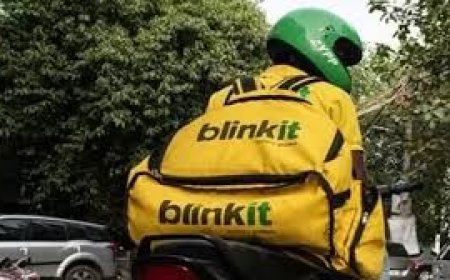
When more than 9,000 Bengali migrant workers in Bengaluru received verification notices as part of the Special Intensive Revision (SIR) of electoral rolls from the Election Commission of India, they were forced to leave their jobs, take loans, and travel thousands of kilometres to their hometowns in West Bengal. sometimes with only a day’s notice.Shareef Ul Shaikh boarded a flight from Bengaluru to West Bengal on the evening of January 14. It was earlier that day that he had received the SIR verification notice. It asked him to come to his hometown on January 15 or risk being deleted from the voter list. A garage owner from Nadia district who has lived in Bengaluru for two decades, Shareef was among the migrant workers from West Bengal who returned to their hometowns after receiving notices under the SIR of electoral rolls. According to the Karnataka Bengali Kalyan Samiti, the notices began arriving after January 14.The SIR notices are part of the ECI process to update electoral rolls ahead of the 2026 West Bengal Assembly elections. The draft voters’ list, published on December 16, 2025, removed over 58 lakh dead, duplicate, or permanently shifted voters, but around 1.66 crore voters still need verification. The Election Commission of India (ECI) has earmarked electoral rolls from 2002 and 2005 as baseline documents for verification. The final list is scheduled for February 14, 2026. Between December 16 and February 7, the process involves issuance of notices, hearings, verification, and decisions on enumeration forms, claims and objections.With little time to arrange money or take leave from work, many migrants say they were forced to take loans, while their livelihoods in Bengaluru remain uncertain.R Kaleem Ullah, national vice president of All India Shramik Swaraj Kendra (AISSK), said the impact of the notices must be understood in the context of migrant workers’ lives. “Even one day’s leave can push them into crisis. Many have taken loans from lending apps. If their pay is cut even for a day, they cannot repay them. They need at least 36 hours to reach their hometowns and the same time to return, apart from the days spent there. Imagine the wages lost,” Kaleem Ullah said. Questioning the process, he added, “In this digital age, why can’t verification be done online? If such an option existed, migrants could go to a nearby centre and complete the process. Policies today are rarely designed with the poor in mind.”For Shareef, the notice stated that his grandfather’s and father’s names must appear in the 2002 voter list and that he had to submit all his documents, with officials asking him to appear the next day. “I told the Block Development Officer it was impossible to travel in a day. He told me that if I didn’t come, my name would be excluded.” Shareef said. With no alternative, Shareef booked a same-day flight to West Bengal, spending Rs 32,000 on tickets and nearly Rs 1 lakh overall. He submitted his documents directly to officials, but they did little to clarify his doubts. “My father’s name is not in the 2002 list, because he did not vote that year,” he said. “Even after submitting everything, they told me my name may or may not be included,” he added.As the sole earning member of a family that includes elderly parents, his wife and two school-going children, Shareef said he had to take a loan of Rs 75,000 and has been unable to return to Bengaluru due to a lack of funds. “My business in Bengaluru is suffering because I am not there. I don’t even have money to return yet, so I am forced to stay here longer until the money comes.”He also said that most of those receiving notices were Muslims, with very few Hindus, and added that migrants were being told they would have to return again during the elections or threatened of risking exclusion from the voter list if they failed to vote.Meanwhile, Saheb Shaikh, a cook from Nadia district, echoed similar pressures and that last-minute arrangements were extremely stressful. “It was difficult to arrange money and travel at the last minute. My brother and I had to take an advance from our employer to cover the expenses. I could reach Nadia only on January 25, just a day before the deadline.” he said.“We were worried… we didn’t know if we could make it on time. Even after travelling all this distance, we are still worried if we will be included in the list or not," Saheb added.The migrants also fear the risk of losing their livelihoods and being replaced at their jobs if they take long to return to Bengaluru. They said that logistical barriers such as limited train connectivity and high demand for tickets lead to them being sold out within minutes. Sanjith Biswakarma, president of the North East People (NEP) India Foundation, said the pattern of summons under the SIR process has created widespread anxiety among migrant workers. He said the requirement to travel multiple times within a short period has made the process particularly difficult for migrant worke
.jpg?#)
WHEN more than 9,000 Bengali migrant workers in Bengaluru received verification notices as part of the Special Intensive Revision (SIR) of electoral rolls from the Election Commission of India, they were forced to leave their jobs, take loans, and travel thousands of kilometres to their hometowns in West Bengal, sometimes with only a day’s notice.
Shareef Ul Shaikh boarded a flight from Bengaluru to West Bengal on the evening of January 14. It was earlier that day that he had received the SIR verification notice. It asked him to come to his hometown on January 15 or risk being deleted from the voter list.
A garage owner from Nadia district who has lived in Bengaluru for two decades, Shareef was among the migrant workers from West Bengal who returned to their hometowns after receiving notices under the SIR of electoral rolls.
According to the Karnataka Bengali Kalyan Samiti, the notices began arriving after January 14.
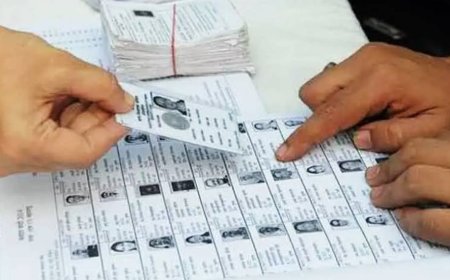
The SIR notices are part of the ECI process to update electoral rolls ahead of the 2026 West Bengal Assembly elections. The draft voters’ list, published on December 16, 2025, removed over 58 lakh dead, duplicate, or permanently shifted voters, but around 1.66 crore voters still need verification.
The Election Commission of India (ECI) has earmarked electoral rolls from 2002 and 2005 as baseline documents for verification. The final list is scheduled for February 14, 2026. Between December 16 and February 7, the process involves issuance of notices, hearings, verification, and decisions on enumeration forms, claims and objections.
With little time to arrange money or take leave from work, many migrants say they were forced to take loans, while their livelihoods in Bengaluru remain uncertain.
R Kaleem Ullah, national vice president of All India Shramik Swaraj Kendra (AISSK), said the impact of the notices must be understood in the context of migrant workers’ lives. “Even one day’s leave can push them into crisis.
Many have taken loans from lending apps. If their pay is cut even for a day, they cannot repay them. They need at least 36 hours to reach their hometowns and the same time to return, apart from the days spent there. Imagine the wages lost,” Kaleem Ullah said.
Questioning the process, he added, “In this digital age, why can’t verification be done online? If such an option existed, migrants could go to a nearby centre and complete the process. Policies today are rarely designed with the poor in mind.”
For Shareef, the notice stated that his grandfather’s and father’s names must appear in the 2002 voter list and that he had to submit all his documents, with officials asking him to appear the next day. “I told the Block Development Officer it was impossible to travel in a day. He told me that if I didn’t come, my name would be excluded.” Shareef said.
With no alternative, Shareef booked a same-day flight to West Bengal, spending Rs 32,000 on tickets and nearly Rs 1 lakh overall. He submitted his documents directly to officials, but they did little to clarify his doubts. “My father’s name is not in the 2002 list, because he did not vote that year,” he said. “Even after submitting everything, they told me my name may or may not be included,” he added.
As the sole earning member of a family that includes elderly parents, his wife and two school-going children, Shareef said he had to take a loan of Rs 75,000 and has been unable to return to Bengaluru due to a lack of funds. “My business in Bengaluru is suffering because I am not there. I don’t even have money to return yet, so I am forced to stay here longer until the money comes.”
He also said that most of those receiving notices were Muslims, with very few Hindus, and added that migrants were being told they would have to return again during the elections or threatened of risking exclusion from the voter list if they failed to vote.
Meanwhile, Saheb Shaikh, a cook from Nadia district, echoed similar pressures and that last-minute arrangements were extremely stressful. “It was difficult to arrange money and travel at the last minute. My brother and I had to take an advance from our employer to cover the expenses. I could reach Nadia only on January 25, just a day before the deadline.” he said.
“We were worried… we didn’t know if we could make it on time. Even after travelling all this distance, we are still worried if we will be included in the list or not," Saheb added.
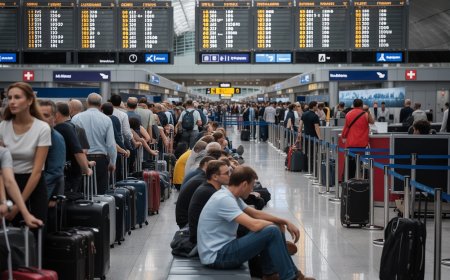
The migrants also fear the risk of losing their livelihoods and being replaced at their jobs if they take long to return to Bengaluru. They said that logistical barriers such as limited train connectivity and high demand for tickets lead to them being sold out within minutes.
Sanjith Biswakarma, president of the North East People (NEP) India Foundation, said the pattern of summons under the SIR process has created widespread anxiety among migrant workers. He said the requirement to travel multiple times within a short period has made the process particularly difficult for migrant workers.
“They have to go now for verification and again during the elections,” Sanjith said. “Getting leave, arranging tickets and managing expenses is extremely difficult. Even train travel costs around Rs 20,000 for a round trip, and the journey takes three days one way. Six days are lost travelling alone.”
According to him, the financial burden is crushing. “For one person, the cost is Rs 20,000 to Rs 30,000. Imagine if three or four members of a family are called. All this when their salaries are barely Rs 10,000 to Rs 20,000 a month,” he said.
Around 7.08 crore voters have been included in the draft rolls, the ECI said. The draft electoral rolls were prepared through a four-step process involving distribution, submission, digitalisation and data analysis of enumeration forms during the first phase of the SIR, which began on November 4.