












































Right to sell oil, $300 bn fund, access to frozen assets: Key financial gains Iran will receive from peace deal
The US and Iran are set to sign a peace deal in Switzerland on Friday to end a conflict that disrupted global energy markets for over three months. While the agreement remains undisclosed, reports indicate it includes major economic incentives for Tehran.

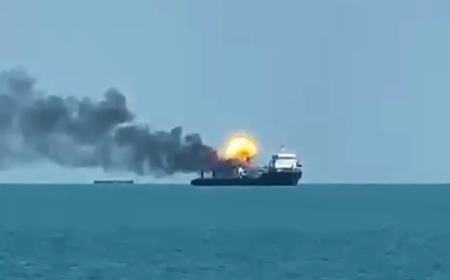
FOLLOWING months of war that triggered volatility in oil prices and disrupted shipping through the vital Strait of Hormuz, the United States and Iran are now on the verge of signing a peace agreement, with Tehran expected to secure massive economic incentives under the proposed deal.
While the details of the agreement haven't been made public yet, a Bloomberg report has shared a list of key financial gains the US will offer Tehran as part of the deal.
According to the final draft of the deal, Tehran is set to receive broad financial incentives as part of its agreement, including the right to sell oil immediately, tap a $300 billion development fund, and eventually gain access to its frozen assets.
While details of the memorandum of understanding (MoU) have been circulating for days, the latest version reviewed by Bloomberg News provides the clearest picture yet of the economic benefits Iran could receive in exchange for ending its disruption of traffic through the Strait of Hormuz and reaffirming its commitment not to pursue nuclear weapons.
The MoU, which will be signed in Switzerland, will pave the way for 60 days of talks aimed at ending their war for good and putting strict new limits on Iran's nuclear program. While neither side has officially released the text, the US has begun circulating it among allied nations at the Group of Seven (G7) summit in France, Bloomberg reported, citing people familiar with the developments.
Additionally, the technical details of the deal were reportedly still being worked out, suggesting that the precise language may change before signing.
US-Iran peace deal: Here's what it includes
Under the deal, the US Treasury Department "will issue waivers for exports of Iranian crude oil, petrochemical products and their derivatives” immediately after the memorandum is signed. The US will lift its naval blockade and the two countries will work to ensure that traffic in the Strait of Hormuz returns to its prewar level within 30 days.
According to the draft agreement, Washington, along with its regional allies, will create a plan to rehabilitate Tehran and allow for its economic development, with financing of at least $300 billion. However, there is no clarity on the release of the Islamic Republic's frozen assets, and stated that Washington undertakes that those funds “will be released and made fully available” without setting a timeline.
Additionally, under the agreement, Washington would also commit to ending its sanctions against Tehran, but only as part of a final agreement to be negotiated over the next two months to end their war for good. The US would also withdraw its military forces "from the surrounding areas" within 30 days of a final agreement.
The agreement offers a mix of immediate and eventual incentives for Iran while committing it never to seek a nuclear weapon. The country has long insisted it doesn’t want the atomic bomb and had committed not to seek one as part of the Obama-era Joint Comprehensive Plan of Action.
Earlier on Monday, Iran's semi-official Mehr news agency also released what it called a 14-point draft MoU and laid out a proposed framework to end the war and move towards a final agreement.
Trump's remarks on US-Iran peace deal
US President Donald Trump, who has been in France since Monday to attend the Group of Seven (G7) summit, said on Tuesday that the agreement was a "done deal" that will prevent Tehran from developing nuclear weapons, adding that Washington would not pay war reparations or invest money in Iran. The president said Tehran’s leaders “have to prove themselves, I think, before any of us go in there.”
On Monday, as he arrived at the summit in France, Trump said, "The deal’s all signed. And the strait is already partially opened."
While both sides have offered mixed and contradictory statements regarding the proposed deal, it remains to be seen whether they can bridge their differences and reach a lasting agreement.