














































As the Ebola outbreak spreads, US invests millions more in the fight
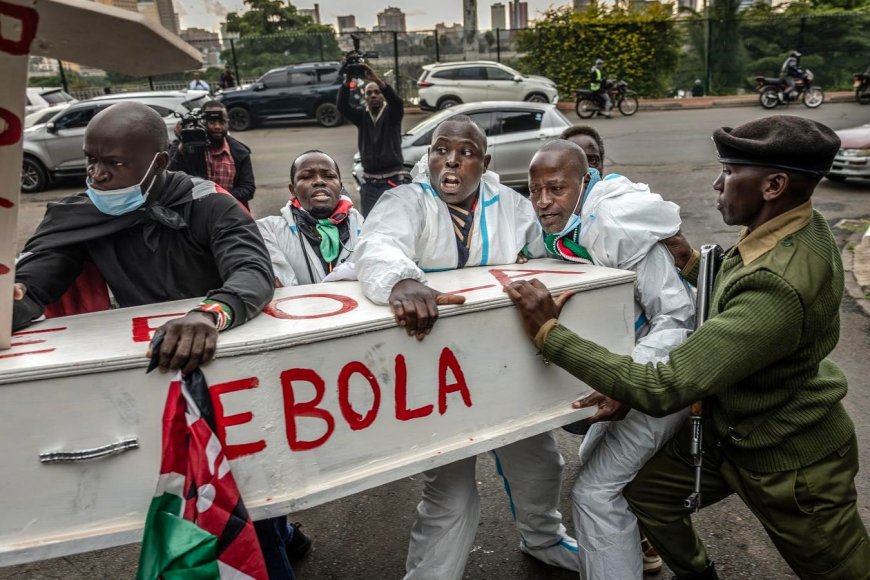
THE United States is now the greatest single donor to the response effort to the ongoing Ebola outbreak in Africa thanks to an additional $38 million from the U.S. Department of State.
Working alongside the U.S. Centers for Disease Control and Prevention (CDC), the Department of State is teaming up with the governments of the Democratic Republic of the Congo (DRC) and Uganda to slow the spread of the virus.
This latest injection of cash pushes the State Department's direct funding for the crisis past the $200 million mark. That money is on top of a separate $350 million package for Ebola and humanitarian aid in the DRC, Uganda, and South Sudan, which was included in a massive $1.8 billion contribution to the United Nations Office for the Coordination of Humanitarian Affairs (UN OCHA) earlier this spring.
American officials state that their top priority remains "protecting the health of the American people and preventing this Ebola outbreak from reaching our shores."
Because of this, the State Department and the CDC have set up a voluntary evacuation process to help U.S. citizens who want to leave the DRC, Uganda, or South Sudan, or who think they might have been exposed to the virus.
Americans who take advantage of this help will still have to go through all regular U.S. and foreign government health screenings and travel restrictions. U.S. embassies are telling Americans traveling in the region to sign up for the Smart Traveler Enrollment Program (STEP) to get real-time safety updates.
On the ground in Africa, the U.S. funds are paying for a massive web of emergency operations, ranging from tracing people who interacted with infected patients to running border checkpoints.
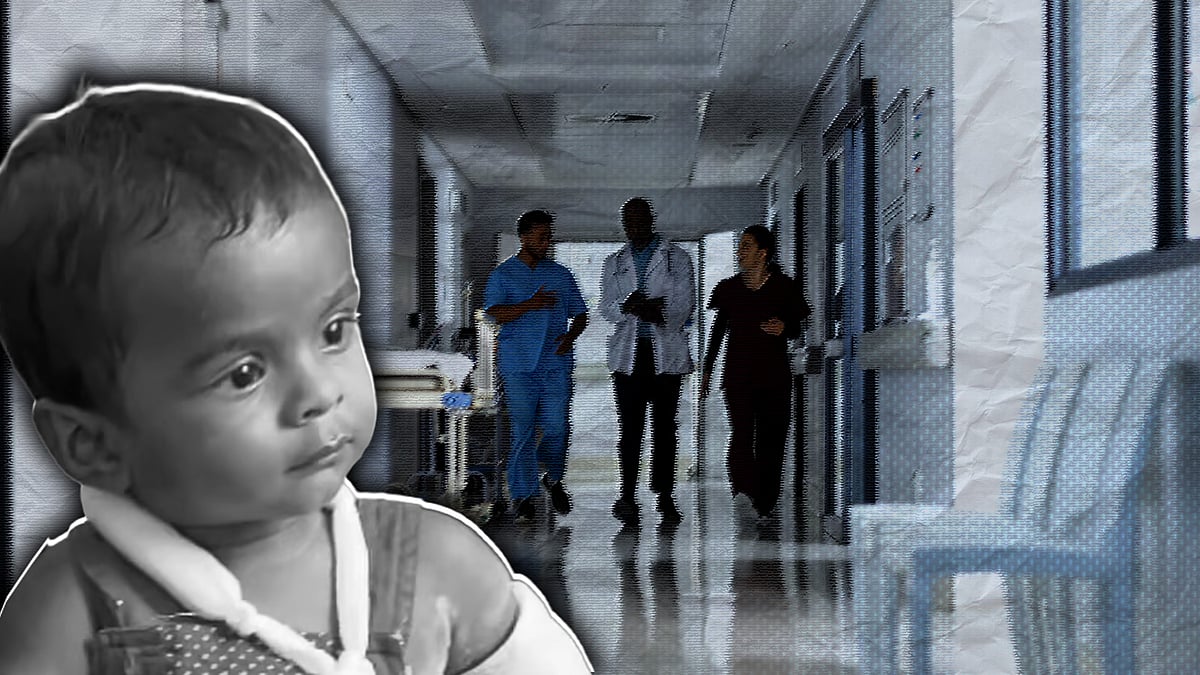
In the DRC, groups like the International Organization for Migration (IOM) and UNICEF are delivering critical equipment, including temperature scanners, communication gear, and water and sanitation supplies to airports, treatment hubs, and dozens of high-risk medical clinics.
The IOM is also upgrading airport infrastructure to help local doctors track the virus, while U.S.-backed teams are working directly with DRC officials to fix data collection issues so they can accurately map out how fast the outbreak is growing.
The money is also fueling massive public safety and medical campaigns. In Uganda, the IOM has placed more than 100 screeners and data clerks across 13 different border crossings.
In the DRC, World Vision has sent workers door-to-door, reaching more than 400,000 people at churches, local markets, and clinics to explain how the virus spreads, while also training 400 community volunteers.
Another group, Momentum Integrated Health Resilience, is training over 1,500 people in Goma and nearby border areas—including teachers, taxi drivers, and religious leaders—on virus detection and prevention. Meanwhile, UNICEF has trained 650 health workers in the hard-hit Bunia and Rwampara regions.
Other specific projects funded by the U.S. include:
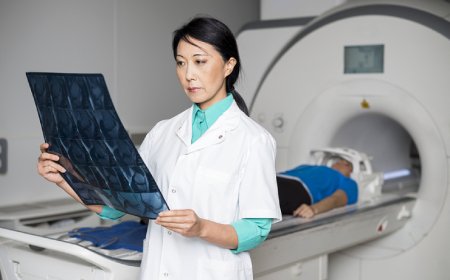
Testing and Isolation: FHI 360 moved an advanced diagnostic testing machine directly to Mongbwalu, DRC, to speed up patient testing. The International Medical Corps (IMC) has trained 125 front-line workers on how to spot symptoms, isolate suspected patients safely, and run local clinics that have already screened 540 people.
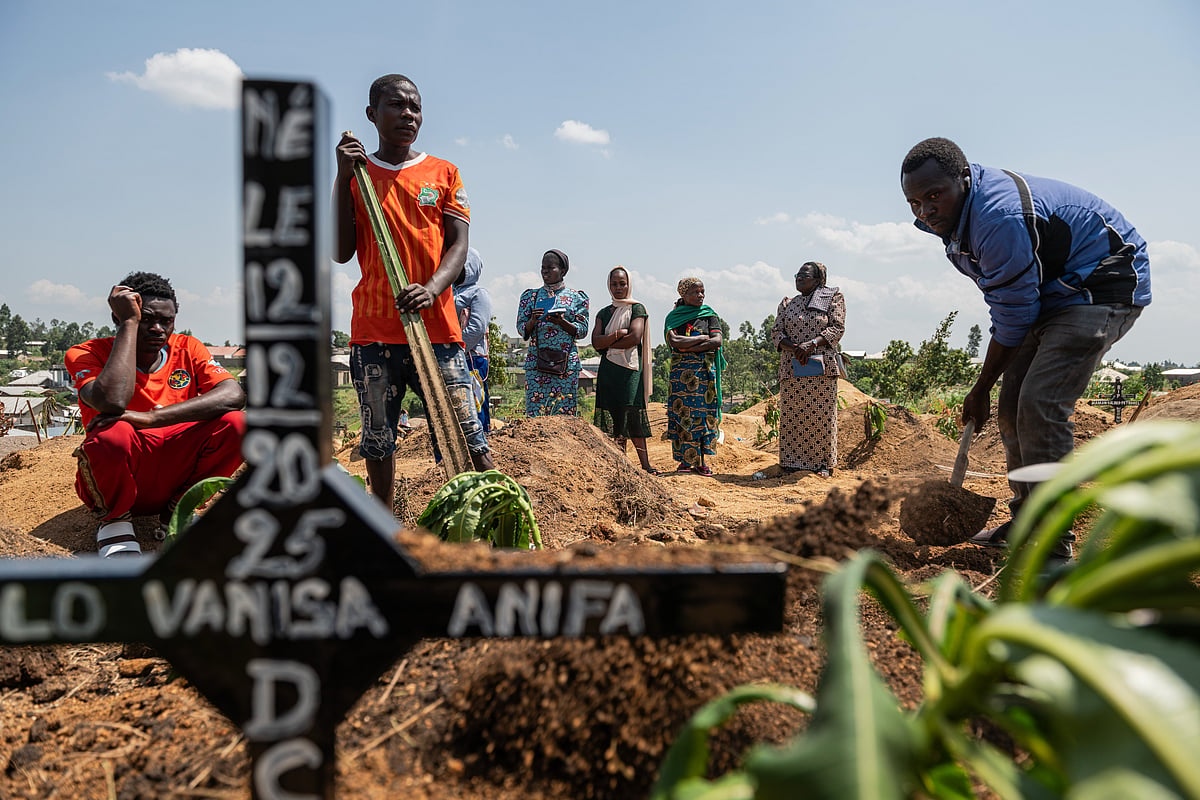
Safe Burials: U.S. partners are deploying expert teams to manage safe and dignified burials for deceased patients, which is a major factor in stopping the spread of the virus.
Food Supply: The World Food Program is using U.S. funds to provide daily meals to patients, family caregivers, contacts, and isolated medical staff inside DRC treatment centers.