










































































Rice vs. potatoes: dietitians reveal which is healthier
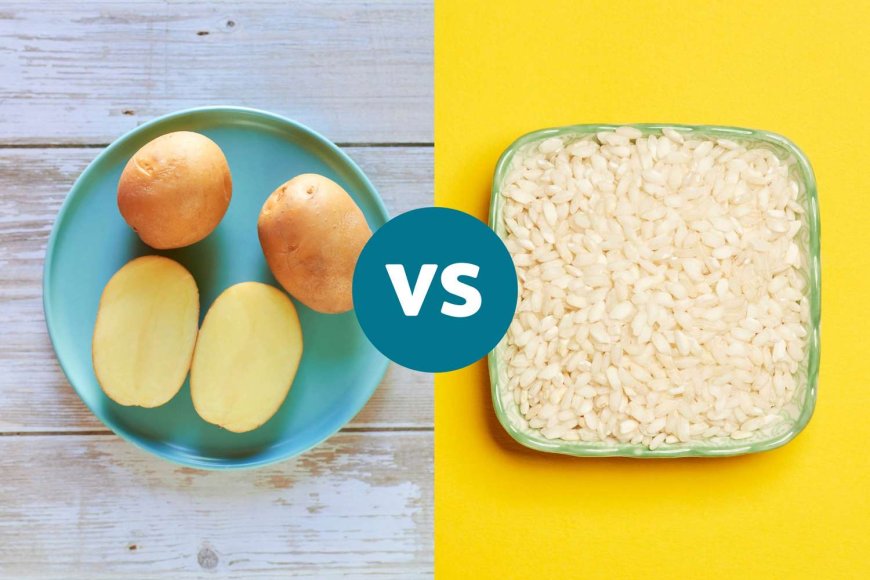
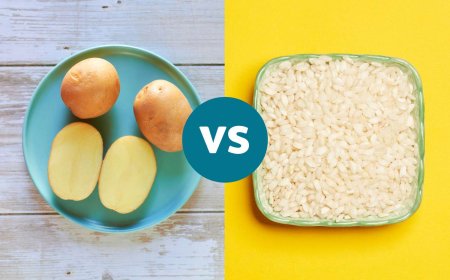
STARCHY foods have long been a dinnertime staple, often situated between a protein and a vegetable on your plate. These foods are tasty and satisfying, but what do they add to your meal from a nutrition perspective? Consider two of the most popular: Rice vs. potatoes. Is one a healthier pick than the other?
Meet the experts: Jordan Langhough, R.D., C.P.T., a registered dietitian, certified personal trainer, and owner of Wildflower Fertility + Nutrition; Amanda Pasko, M.S., M.P.H., R.D., a nutrition expert at the wellness app BetterMe.
Here, dietitians break down the most nutritious types of rice and potatoes, sharing the potential benefits and drawbacks of each, along with which is a better option to include in your balanced, healthy diet.
What are the healthiest types of rice?
"The right types of rice provide fiber, B vitamins, magnesium, and antioxidants," says Jordan Langhough, R.D., C.P.T., a registered dietitian, certified personal trainer, and owner of Wildflower Fertility + Nutrition. That's because the healthiest types of rice are all whole grain varieties, meaning they contain the bran, germ, and endosperm (as opposed to white rice, which is just the endosperm), where the fiber and micronutrients reside. "Because these options retain their fiber-rich outer bran layers, they digest at a much slower rate than refined white rice," explains Amanda Pasko, M.S., M.P.H., R.D., a nutrition expert at the wellness app BetterMe. "This prevents a rapid influx of glucose into your bloodstream, which keeps your energy levels steady and helps avoid the post-meal lethargy that often follows high-carbohydrate meals."
Here are the best picks.
Brown rice
Compared to white rice, brown rice contains more protein, fiber, magnesium, and phosphorus. "Fiber supports gut health and keeps you full longer, while magnesium plays a role in energy metabolism," Langhough says. What's more, research in BMJ Openfound that eating brown rice was associated with a lower risk of developing type 2 diabetes, plus increased levels of HDL "good" cholesterol, while eating white rice was associated with a higher diabetes risk. It's a safe and accessible healthy rice, but it's not the only one on shelves.
Black rice
"Black rice, also known as forbidden rice, is an outstanding choice," says Pasko. "It has a lower glycemic index than brown rice and a deep purple color that comes from anthocyanins, which are powerful antioxidants that research shows can improve insulin sensitivity. It also packs a surprising amount of protein and fiber." According to research in Frontiers in Nutrition, the bioactive compounds in black rice may also help prevent cardiovascular illnesses and type 2 diabetes.
Red rice
"Red rice is high in fiber and antioxidants," notes Langhough. As is the case with black rice, red rice contains anthocyanins, the antioxidants that give berries their red, purple, and black hues, which have been shown to help protect against age-related diseases such as cardiovascular disease, neurodegenerative diseases, cancer, metabolic syndrome, and bone diseases.
Wild rice
"Wild rice is another excellent option, though it is technically the seed of an aquatic grass rather than a true rice," Pasko says. "It has a wonderfully low glycemic index, potentially lower than that of black rice, a chewy texture, and contains roughly double the protein and fiber of standard white rice." A study in the International Journal of Molecular Sciencesfound that because of these qualities, wild rice may help reduce body weight, inflammation, and levels of fat in the liver, plus boost insulin resistance, and improve the diversity of the gut microbiome.
Possible downsides to eating rice
Despite their higher concentrations of fiber, Pasko says that even the healthiest varieties of rice are still primarily carbohydrates. "This means that eating large portions can easily overwhelm your body's insulin response and cause a delayed but significant blood sugar spike," she explains, which may be a concern for people watching their blood sugar. Pasko adds that rice is incredibly easy to overeat, especially when eaten on its own. "To mitigate this, rice should never be the main focus of your plate. It always needs to be paired with a low-fat, minimally processed protein, healthy fats, and non-starchy vegetables to blunt the glycemic impact," she says.
Finally, the arsenic levels of rice may be of concern. "Rice can be high in arsenic because it absorbs more arsenic from the soil than other crops," explains Langhough. Still, there are simple ways to make sure you're not consuming too much. Langhough says that varying your grains can help, while Pasko recommends rinsing your rice before cooking and then boiling it in a large amount of water and draining the excess (similar to how you would cook pasta).
What are the healthiest types of potatoes?
Most potatoes fit into one of two categories—white potatoes and sweet potatoes—and both offer health benefits.
White potatoes
"While white potatoes often get a bad reputation in blood sugar circles, they actually offer excellent nutritional benefits when prepared correctly," says Pasko. They are a top source of potassium, which Pasko notes is "essential for managing blood pressure." Potatoes are also rich in vitamin C, vitamin B6, and magnesium, says Langhough, while the skin contains some fiber.
What's more, if you cook a white potato then allow it to cool completely in the refrigerator before you eat it, the starches in the potato will transform into resistant starch. "Resistant starch bypasses your small intestine entirely," explains Pasko. "Instead of breaking down into glucose and spiking your blood sugar, it travels to your large intestine where it acts like dietary fiber, feeding your beneficial gut bacteria and improving long-term insulin sensitivity."
Sweet potatoes
The biggest difference between white potatoes and sweet potatoes is their color, which is also indicative of the key nutritional variations. "Sweet potatoes offer the same benefits as white potatoes plus a significant amount of beta-carotene," says Langhough, an antioxidant that helps combat inflammation. "Your body also converts beta-carotene into vitamin A, which plays a vital role in maintaining immune function and cellular health," Pasko adds. Sweet potatoes also contain more fiber than white potatoes, meaning they are digested slower to increase satiety and slow the absorption of glucose. Research in Food Science & Nutritionshows that the bioactive compounds in sweet potatoes may help increase insulin sensitivity, regulate glucose metabolism, and optimize carbohydrate digestion, all serving to reduce type 2 diabetes risk.
Possible downsides to eating potatoes
"The biggest downside is the potato's preparation," says Langhough. "Most often we consume potatoes as fries, chips, and buttered mashed potatoes, which are calorie-dense and lack many of the nutrients that potatoes can provide." Adding large amounts of saturated fats, such as through butter, sour cream, or cheese, can counteract any possible health benefits the potatoes have to offer.
Unlike a potato that has been cooked and cooled to allow for the formation of resistant starch, a hot white potato has a very high glycemic index. "This causes a rapid influx of glucose into the bloodstream, which can overwhelm your body's insulin response and lead to sharp blood sugar spikes," Pasko explains.
Rice vs. potatoes: Which is better for you?
From a nutrition perspective, potatoes have the edge over rice. "Potatoes are much more nutrient-dense, offering significantly higher amounts of potassium, vitamin C, and vitamin B6 per calorie than standard rice," says Pasko. "They are also exceptionally filling, meaning they score higher on the satiety index and can help you feel satisfied with a smaller volume of food."
What's more, while the possible health perks of rice rely simply on choosing the right variety, cooking a potato the right way gives you the opportunity to amplify its benefits. Boiling or baking potatoes without adding loads of butter or cheese delivers the micronutrients and antioxidants in a more healthful package, and if you cool the potatoes after cooking to allow resistant starch to form, you'll have created a food that Pasko says "actively improves insulin sensitivity." And yes, you can still warm them back up before you eat them.