


.jpg?#)


































































Oncologists urge women over 50 to get low-dose CT scans for early cancer detection
PINK ribbons for breast cancer awareness are ubiquitous these days. They're especially prominent in May (around Mother's Day) and in October (Breast Cancer Awareness Month), and this awareness can remind women over 50 that it's time to schedule their annual mammogram, which is recommended starting at age 40 for people with an average risk for breast cancer and sooner for people with factors like a genetic history.
Oncologists aren't complaining about the emphasis on breast cancer awareness—mammograms are vital.
"Breast cancer screenings and mammograms have been part of the cultural conversation around women's health for decades," Dr. Rahul Gosain, MD, MBA, the co-host of The Oncology Brothers, tells Parade.
"That mainstream visibility has saved many lives, but it's also created a blind spot. Women over 50 face meaningful risk from a range of other cancers, and many of those screening tools are just as effective, just as accessible and far less utilised."
Another oncologist echoes these sentiments—it's vital for women, especially those over 50, to understand their risk for other cancer forms so that they can get screened.
"Women are also at risk for other cancers, such as colon and pancreatic," states Dr. Daniel J. Boffa, MD, a professor of thoracic surgery at Yale School of Medicine. "If you think about all of the women who lose their battle with cancer each year, two-thirds are from cancers other than breast cancer."
One simple screen that takes less than 30 minutes to complete can detect one form of cancer and other health issues. But oncologists say that many women over 50 don't know they qualify for it. Below, oncologists reveal why they're begging women over 50 to get this one test if they're eligible.
Oncologists want women over 50 to discuss a low-dose CT scan with their doctors. The United States Preventive Services Task Force currently recommends that any adult aged 50 to 80 years who has a 20-pack-year smoking history (roughly equivalent to one pack a day for 20 years), currently smokes or has quit within the last 15 years.
"The screening guidelines may change, so we recommend that patients who are 50 or older, who smoked in the past or are still smoking, ask their primary care clinician about screening," Dr. Boffa tells Parade.
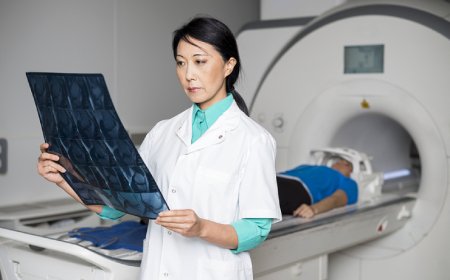
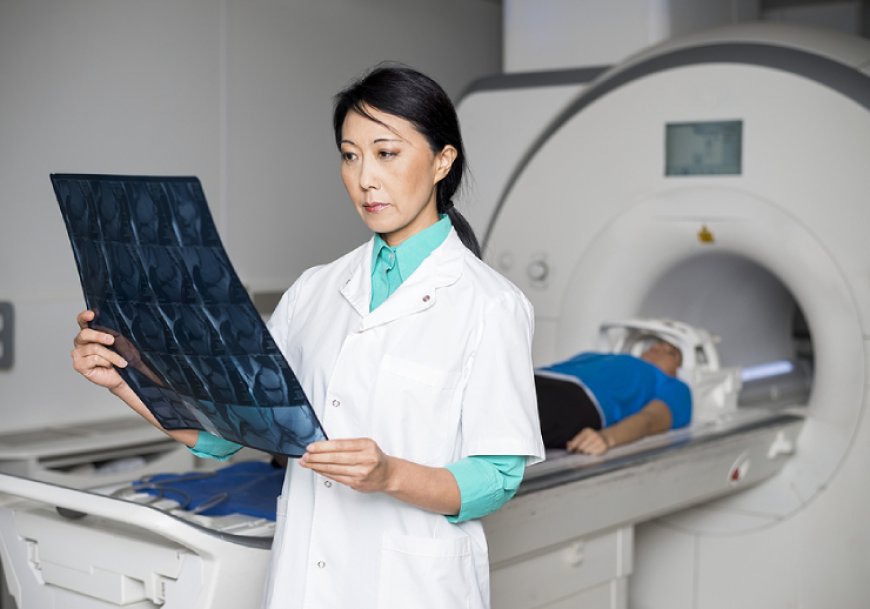
He adds that a low-dose CT scan is a radiology test. It takes images of "everything inside your chest, from the tops of your shoulders to just above your belly button." It can detect abnormalities in the lungs, including cancers or pre-cancerous growths. But Dr. Boffa says it can even detect changes in the heart, such as artery hardening (atherosclerosis) and blood vessel enlargement, including aneurysms.
"The scan also commonly catches the top part of your abdomen and may pick up abnormal areas in the top of your liver and adrenal glands," he says. "It is called low dose because it uses less radiation than a normal CT scan, which is roughly the radiation you would be exposed to on a flight from New York to California and back, from being closer to the sun."
Dr. Gosain concurs—the low-dose CT scan does a lot with just a bit of radiation. He points out that lung cancer is actually the leading cause of cancer death in the U.S. for men and women.
"It also kills more women each year than breast, ovarian and uterine cancers combined," he shares.
Dr Richard Reitherman, MD, PhD, a board-certified radiologist and medical director of breast imaging at MemorialCare Breast Centre at Orange Coast Medical Centre, says the numbers convey a clear message: Early detection of lung cancer through a CT scan can save lives. He points to data that LDCT screening reduces lung cancer-related mortality by 20%, and cancers caught at stage I have survival rates above 70%, compared to less than 10% for stage IV.
"This is like the benefit of screening mammography and reduction of mortality," he says.
For this reason, oncologists like Dr. Reitherman don't recommend waiting to notice lung cancer symptoms, like a chronic cough or trouble breathing. Instead, women over 50 should ask their doctors about a low-dose CT scan.