










































































‘Project of national importance’: SC dismisses plea against Wayanad Tunnel
Follow TNM's WhatsApp channel for news updates and story links.The Supreme Court, on Monday, April 6, dismissed a petition challenging the environmental clearance granted for the Kozhikode-Wayanad twin tunnel project, observing that the infrastructure initiative would serve as a “lifeline” for the people of Kerala.A bench comprising Chief Justice of India (CJI) Surya Kant and Justice Joymalya Bagchi refused to interfere with the Kerala High Court’s December 2025 judgement, which had upheld the clearance granted by the Ministry of Environment, Forest and Climate Change for the project.The court underscored the importance of the project, noting the state’s geographical constraints and traffic congestion. “If the project is executed without any hurdle, it will become the lifeline for the people,” the Chief Justice observed, adding that the tunnel system could also help protect wildlife.The bench further stated, “It is not a case where any mechanical decision has been taken. The conditions are very rigorous… once you follow all these things we see no reason that this project can have any adverse impact.”The project involves the construction of an 8.7-km twin-tube tunnel connecting Kozhikode and Wayanad through the Western Ghats, aimed at easing travel by bypassing the congested Thamarassery Ghat road. The Rs 2,134 crore project is being executed by the Kerala government with multiple environmental safeguards in place.Petitioners, including Wayanad Prakrithi Samrakshana Samiti, had argued that the project passed through ecologically sensitive and landslide-prone regions, and that the environmental clearance was granted without proper appraisal. Senior Advocate Shyam Divan contended that the project should have been treated as a ‘Category A’ project requiring central-level scrutiny.Environmental activists had also raised serious concerns over the potential ecological impact. They described the project as “suicidal,” warning that tunnelling through fragile mountain ranges could destabilise the region, trigger landslides, and disrupt groundwater systems. Activist Basheer Anand John claimed that “lakhs of litres of water are drained from the mountains” during tunnelling, which could lead to drought conditions in Wayanad.Another activist, Thomas Ambalavayal, warned that blasting activities could “affect the natural stability of the mountains” and destroy wildlife habitats, including elephant corridors.Despite these concerns, the apex court held that expert bodies had adequately evaluated the project and imposed stringent conditions. It noted that both the Central Expert Appraisal Committee and other authorities had conducted a detailed assessment.Dismissing the plea, the court observed: “We see no reason to interfere with the judgment of the High Court… the petitioners will be at liberty to approach the NGT during the execution of the project, if so needed.”The court also reiterated that any violation of environmental conditions during construction could give rise to a fresh cause of action before the National Green Tribunal.The Kerala High Court, in its earlier ruling, had similarly held that there was no procedural lapse in granting environmental clearance and that disputes over scientific aspects should be adjudicated by the NGT.The project has faced sustained opposition from environmental groups, even as the state government has defended it as a critical infrastructure initiative aimed at improving connectivity and reducing travel hardships in the hilly region.
Follow TNM's WhatsApp channel for news updates and story links.
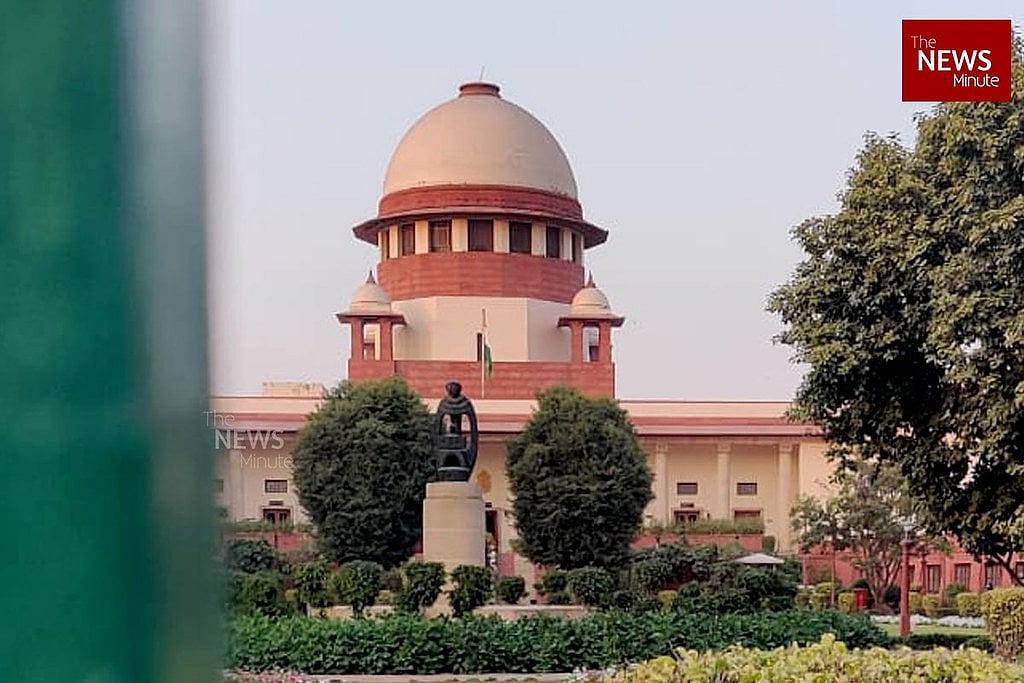
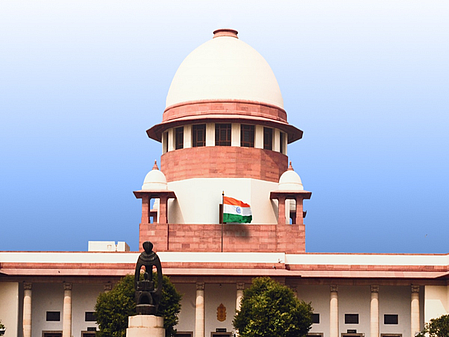
THE Supreme Court, on Monday, April 6, dismissed a petition challenging the environmental clearance granted for the Kozhikode-Wayanad twin tunnel project, observing that the infrastructure initiative would serve as a “lifeline” for the people of Kerala.
A bench comprising Chief Justice of India (CJI) Surya Kant and Justice Joymalya Bagchi refused to interfere with the Kerala High Court’s December 2025 judgement, which had upheld the clearance granted by the Ministry of Environment, Forest and Climate Change for the project.
The court underscored the importance of the project, noting the state’s geographical constraints and traffic congestion.
“If the project is executed without any hurdle, it will become the lifeline for the people,” the Chief Justice observed, adding that the tunnel system could also help protect wildlife.
The bench further stated, “It is not a case where any mechanical decision has been taken. The conditions are very rigorous… once you follow all these things we see no reason that this project can have any adverse impact.”
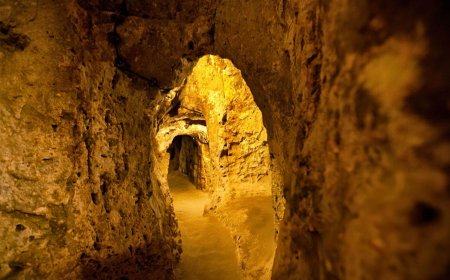
The project involves the construction of an 8.7-km twin-tube tunnel connecting Kozhikode and Wayanad through the Western Ghats, aimed at easing travel by bypassing the congested Thamarassery Ghat road.
The Rs 2,134 crore project is being executed by the Kerala government with multiple environmental safeguards in place.
Petitioners, including Wayanad Prakrithi Samrakshana Samiti, had argued that the project passed through ecologically sensitive and landslide-prone regions, and that the environmental clearance was granted without proper appraisal.
Senior Advocate Shyam Divan contended that the project should have been treated as a ‘Category A’ project requiring central-level scrutiny.
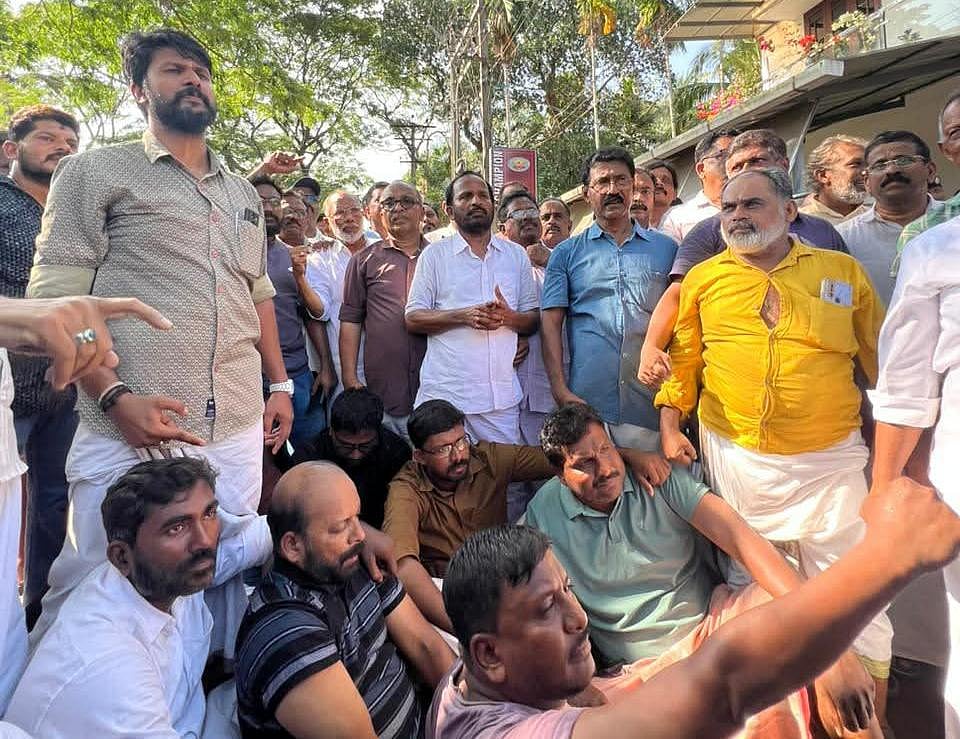
Environmental activists had also raised serious concerns over the potential ecological impact.
They described the project as “suicidal,” warning that tunnelling through fragile mountain ranges could destabilise the region, trigger landslides, and disrupt groundwater systems.
Activist Basheer Anand John claimed that “lakhs of litres of water are drained from the mountains” during tunnelling, which could lead to drought conditions in Wayanad.
Another activist, Thomas Ambalavayal, warned that blasting activities could “affect the natural stability of the mountains” and destroy wildlife habitats, including elephant corridors.
Despite these concerns, the apex court held that expert bodies had adequately evaluated the project and imposed stringent conditions.
It noted that both the Central Expert Appraisal Committee and other authorities had conducted a detailed assessment.
Dismissing the plea, the court observed: “We see no reason to interfere with the judgment of the High Court… the petitioners will be at liberty to approach the NGT during the execution of the project, if so needed.”
The court also reiterated that any violation of environmental conditions during construction could give rise to a fresh cause of action before the National Green Tribunal.
The Kerala High Court, in its earlier ruling, had similarly held that there was no procedural lapse in granting environmental clearance and that disputes over scientific aspects should be adjudicated by the NGT.
The project has faced sustained opposition from environmental groups, even as the state government has defended it as a critical infrastructure initiative aimed at improving connectivity and reducing travel hardships in the hilly region.