



























































PM Modi, Trump spoke 8 times on phone in 2025: India rebuts US Commerce Secy Howard Lutnick's remarks on trade deal
MEA spokesperson Randhir Jaiswal rebutted US Commerce Secy Lutnick's remarks on the trade deal, noting that PM Modi and President Trump had eight phone conversations in 2025. He clarified that India and the US have been committed to negotiating a bilateral trade agreement since February 13 last year

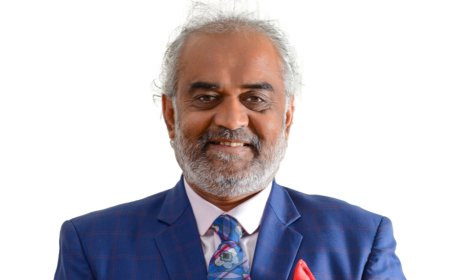
THE Ministry of External Affairs (MEA) on Friday rebutted US Commerce Secretary Howard Lutnick's remarks on the trade deal, stating that Prime Minister Narendra Modi and President Donald Trump spoke several times on the phone last year.
“PM Modi, Trump spoke on phone on eight occasions in 2025,” MEA spokesperson Randhir Jaiswal said, adding, “On several occasions, we have been close to a deal. The characterisation of these discussions, the reported remarks, is not accurate.”
The MEA spokesperson clarified that India and the United States have been committed to negotiating a bilateral trade agreement since as early as 13 February last year, according to ANI. Since then, the two sides have conducted several rounds of talks aimed at reaching a balanced and mutually beneficial trade deal, he noted.
He further said that India remains interested in a mutually beneficial trade agreement between two complementary economies and looks forward to finalising it.
What did Lutnick say?
Earlier, US Commerce Secretary Howard Lutnick said that a trade deal between India and the United States did not materialise because PM Modi did not call Trump.
Speaking with American venture capitalist Chamath Palihapitiya on the ‘All-In Podcast’ on Thursday (local time), Lutnick said that although contracts were negotiated and the overall framework of the deal was ready, its completion required direct engagement at the leadership level.
“I would negotiate the contracts and set the whole deal up, but let's be clear. It's his (Trump's) deal. He's the closer. He does it. It's all set up, you got to have Modi, call the President. They were uncomfortable doing it. So Modi didn't call. That Friday left, in the next week we did Indonesia, the Philippines, Vietnam, we announced a whole bunch of deals,” Lutnick said.
Lutnick further outlined Trump’s wider approach to trade negotiations, likening it to a “staircase” model. He said countries that acted early secured the most favourable terms, while those entering later were offered increasingly higher rates.
Citing the first trade agreement with the United Kingdom, Lutnick said Trump was repeatedly asked which country would follow next, and India was mentioned publicly on several occasions. According to him, India was given “three Fridays” to finalise the deal, effectively placing it on a “short clock”.
However, Lutnick said India failed to meet the deadline, prompting the US to move forward with trade agreements with several Asian nations, including Indonesia, the Philippines, and Vietnam, and to announce multiple deals across the region.
He added that these agreements were struck at higher rates, as the US had initially expected India’s deal to be concluded sooner. When India later approached the US, around three weeks after the deadline, it was informed that the opportunity had already expired.
The Trump administration imposed tariffs on major exporters to the US, including India and China. Since August 2025, goods entering the United States from India have been subject to a 50% tariff.