





















































KN Panikkar, historian and unflinching voice for secular values, dies at 89
KN Panikkar, one of India's foremost historians and an unflinching voice for secular and democratic values, passed away on Monday, March 9, at a hospital in Kerala’s Thiruvananthapuram, where he had been receiving medical treatment. He was 89.Born in 1936 in Guruvayoor, Panikkar, known for his work on the intellectual and cultural history of colonial India, consistently challenged Hindutva nationalism, questioning jingoism and sectarian hatred. His contribution to modern Indian history considerably enriched Indian Marxist historiography.The Kerala Council for Historical Research (KCHR), which he once chaired, had been preparing to mark his 90th birthday in April when his end came.He graduated from Victoria College, Palakkad, pursued postgraduation at Rajasthan University in Jaipur, and earned his doctorate from the same institution. He went on to teach at Delhi University's Hansraj College before joining Jawaharlal Nehru University, where he served as Professor and Dean of Social Sciences, and later as Chairman of the Centre for Historical Studies — one of the most influential positions in Indian academic historiography.His books shaped the way a generation of scholars approached colonial India. Against Lord and State: Religion and Peasant Uprisings in Malabar remains a landmark study of subaltern resistance. Culture, Ideology and Hegemony: Intellectuals and Social Consciousness in Colonial India and Culture and Consciousness in Modern India extended his inquiry into how power reproduces itself through ideas. His edited volume A Concerned Indian's Guide to Communalism was as much a political act as a scholarly one. Panikkar never allowed scholarly distance to become an excuse for silence. On questions of secularism, democracy and human rights, he took clear positions — and held them. In the last two decades, as those values came under increasing pressure, his public interventions grew more frequent. For him, the defence of constitutional principles was not a political choice but an intellectual obligation.He is survived by his legacy in Indian historiography and by the students, scholars and fellow travellers who found in his work both a method and a moral compass.In Kerala, he has also served as Vice-Chancellor of Sree Sankaracharya University of Sanskrit, Chairman of the Kerala Council for Historical Research (KCHR), and Vice-Chairman of the Kerala State Higher Education Council.
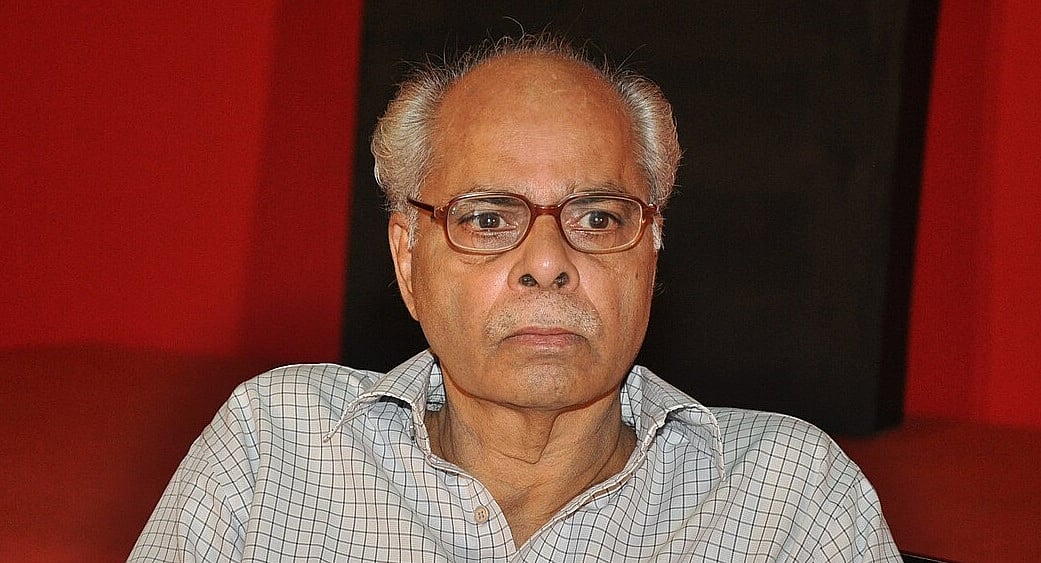
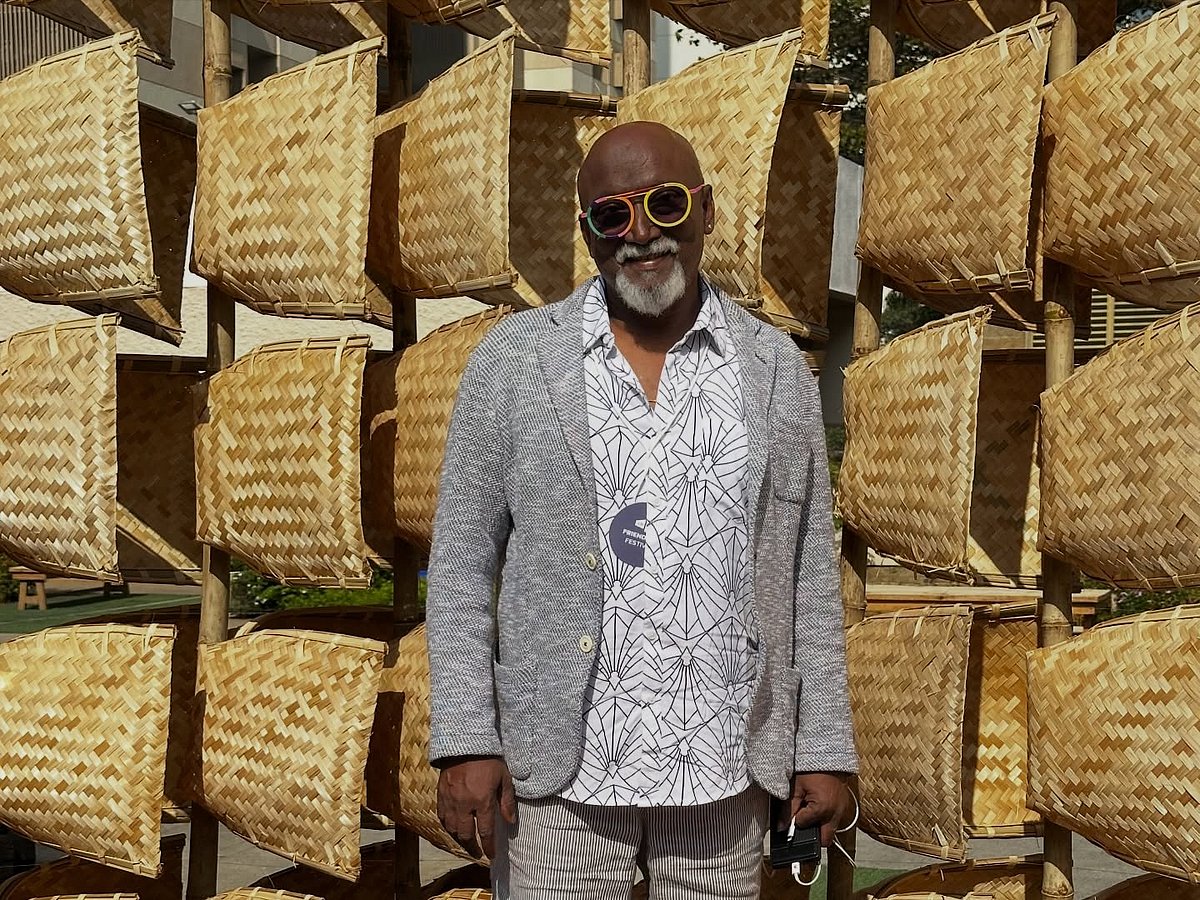
KN Panikkar, one of India's foremost historians and an unflinching voice for secular and democratic values, passed away on Monday, March 9, at a hospital in Kerala’s Thiruvananthapuram, where he had been receiving medical treatment. He was 89.
Born in 1936 in Guruvayoor, Panikkar, known for his work on the intellectual and cultural history of colonial India, consistently challenged Hindutva nationalism, questioning jingoism and sectarian hatred. His contribution to modern Indian history considerably enriched Indian Marxist historiography.
The Kerala Council for Historical Research (KCHR), which he once chaired, had been preparing to mark his 90th birthday in April when his end came.
He graduated from Victoria College, Palakkad, pursued postgraduation at Rajasthan University in Jaipur, and earned his doctorate from the same institution. He went on to teach at Delhi University's Hansraj College before joining Jawaharlal Nehru University where he served as Professor and Dean of Social Sciences and later as Chairman of the Centre for Historical Studies — one of the most influential positions in Indian academic historiography.
His books shaped the way a generation of scholars approached colonial India. Against Lord and State: Religion and Peasant Uprisings in Malabar remains a landmark study of subaltern resistance. Culture, Ideology and Hegemony: Intellectuals and Social Consciousness in Colonial India and Culture and Consciousness in Modern India extended his inquiry into how power reproduces itself through ideas. His edited volume A Concerned Indian's Guide to Communalism was as much a political act as a scholarly one.
Panikkar never allowed scholarly distance to become an excuse for silence. On questions of secularism, democracy and human rights, he took clear positions — and held them. In the last two decades, as those values came under increasing pressure, his public interventions grew more frequent. For him, the defence of constitutional principles was not a political choice but an intellectual obligation.
He is survived by his legacy in Indian historiography and by the students, scholars and fellow travellers who found in his work both a method and a moral compass.
In Kerala, he has also served as Vice-Chancellor of Sree Sankaracharya University of Sanskrit, Chairman of the Kerala Council for Historical Research (KCHR), and Vice-Chairman of the Kerala State Higher Education Council.