










































































Citi, StanChart evacuate Dubai offices; HSBC shuts Qatar branches
Citigroup and Standard Chartered are evacuating their Dubai offices and asking staff to work from home, following threats from Iran to target Gulf banking interests.

CITIGROUP and Standard Chartered have started evacuating their offices in Dubai, directing staff to work from home as a precaution following threats from Iran against Gulf banking interests connected to the U.S. and Israel, as reported by Reuters, citing sources.
A memo seen by Reuters shows that Citigroup instructed employees to leave its offices in the Dubai International Financial Centre (DIFC) and Oud Metha areas and to continue working remotely until further notice.
A spokesperson for the bank said it was continuing to take measures to keep staff safe and had contingency plans in place to ensure business continuity, as reported by Reuters.
Standard Chartered has a significant presence in the United Arab Emirates, with Dubai serving as a major financial hub for top international banks such as JPMorgan and HSBC, along with law firms and asset managers, Reuters reported.
Meanwhile, HSBC has temporarily closed all its branches in Qatar, citing staff and customer safety, according to a customer notice.
These measures follow a statement from a spokesperson for Tehran’s Khatam al-Anbiya military command, who said on Wednesday that Iran plans to target economic and banking interests linked to the U.S. and Israel in the region, in retaliation for an attack on an Iranian bank.
An administrative building linked to Bank Sepah, one of Iran's largest public banks and with historical links to the military, was hit overnight in Tehran, the semi-official Mehr news agency reported.
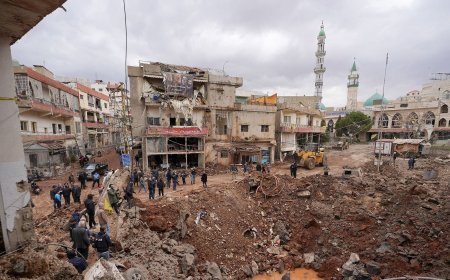
Many staff at foreign and local businesses had already been told by employers to work from home after Iran responded to U.S. and Israeli strikes by firing missiles at targets across the Middle East, causing deaths, damage and travel chaos, as reported by Reuters.
Conflict denting Dubai's safe-haven status
The conflict in the region has undermined Dubai’s reputation as a stable business hub, raising fears that companies could pull out investments, cut jobs, or move operations elsewhere, Reuters reported last week.
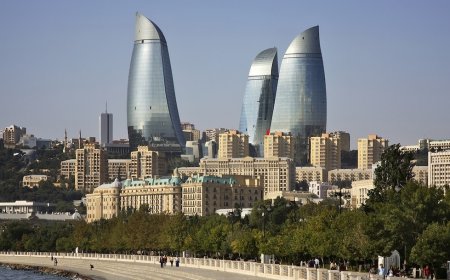
Dubai’s drive to attract global financial institutions began with the launch of the Dubai International Financial Centre (DIFC) in 2004.
By the end of 2025, the DIFC was home to more than 290 banks, 102 hedge funds, around 500 wealth management firms, and 1,289 family-related entities, highlighting Dubai’s transformation over decades from a small fishing port into a major global financial centre.
Standard Chartered generates nearly 6% of its total income from the United Arab Emirates, according to company filings, and in recent years has increasingly positioned senior executives in the region.
The bank’s investment banking CEO, Roberto Hoornweg, is based in Dubai, according to the company’s website, making him one of the most senior global banking executives stationed in the region.
Hoornweg declined to comment via a bank spokesperson, Reuters reported.
HSBC CEO Georges Elhedery said on Monday that the bank's “conviction in the GCC's (Gulf Cooperation Council) fundamentals and its future is unchanged”, in some of the first comments from an international bank boss on the growing crisis.
"The safety of our colleagues and customers remains our top priority," HSBC said in a statement on Wednesday in relation to its Dubai-based staff.
At Goldman Sachs, employees across the region are working from home and following local official instructions, a person with knowledge of the matter told Reuters.
Air, maritime traffic targeted
Earlier on Wednesday, drones landed near Dubai airport, injuring four people, while separate attacks struck three vessels in or around the Strait of Hormuz, as Iran continued operations that have disrupted oil markets as well as air and maritime traffic.
Iran has also targeted energy infrastructure in Gulf states and disrupted shipping through the Strait of Hormuz—a key passage that typically handles nearly 20% of global oil supplies—triggering sharp volatility in oil prices.
"Two drones fell in the vicinity of Dubai International Airport a short while ago, resulting in minor injuries to two Ghanaian nationals and one Bangladeshi national and moderate injuries to one Indian national," the Dubai Media Office said.