

































How can H-1B visa workers pass Trump admin's social media screening process without delays?
The Trump administration has started stricter vetting for H-1B visas, including social media reviews, effective December 15. Delays in interviews for applicants in India push dates to 2026. Law firms advise careful review of online profiles to avoid inconsistencies that may lead to scrutiny.

THE Trump administration began implementing stricter screening and vetting procedures, which include reviewing social media profiles, on December 15 this year for H-1B visas.
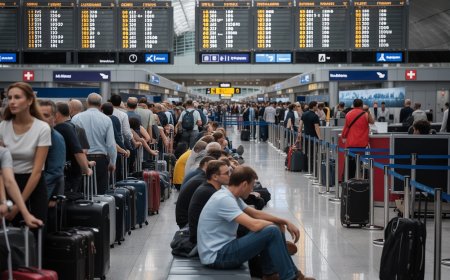
However, pre-scheduled interviews for thousands of H-1B visa applicants in India, originally set for later this month, have been unexpectedly delayed by several months, pushing back to March, April, May, or even June 2026.
What should an H1B visa worker do to pass through social media screening process?
Davis Wright Tremaine, the law firm, noted on its website that visa applicants should carefully review their social media accounts to make sure nothing conflicts with the information in their applications.
The law firm also advised that employees should review their public-facing digital profiles to ensure they align with the details in their applications, and reminded them to be vigilant when publicly sharing sensitive information, as inconsistencies could trigger additional scrutiny.
Meanwhile, the law firm Duane Morris cautioned applicants not to delete posts or entire profiles, as doing so could appear an attempt to conceal information if noticed by immigration officials.
Google, Apple react
Lawyers representing Google and Apple have already cautioned some visa-holding employees against travelling abroad, citing embassy delays caused by heightened scrutiny.
According to Business Insider, Google's legal counsel mentioned in a memo sent on Thursday to employees on visas, “Please be aware that some US Embassies and Consulates are experiencing significant visa stamping appointment delays, currently reported as up to 12 months.”
In a similar move, Fragomen, the law firm that represents Apple, said in a memo sent last week that certain visa holders at the company should avoid international travel.
"Given the recent updates and the possibility of unpredictable, extended delays when returning to the US, we strongly recommend that employees without a valid H-1B visa stamp avoid international travel for now," the memo read.
What did the State Department say?
Emphasising that a US visa is a privilege rather than a right, the State Department said that it considers all available information during the visa process to identify applicants who may be inadmissible, particularly those who could pose a threat to national security or public safety.
The State Department further stated that it conducts a comprehensive vetting of all visa applicants, which includes reviewing the online presence of students and exchange visitors in the F, M, and J nonimmigrant categories, emphasising that each visa decision is ultimately a matter of national security.