





















































'Go back to Ludhiana…': Supreme Court dismisses ‘AI-drafted’ PIL after cloth trader fails to explain his own petition
India's Supreme Court dismissed a PIL filed by a 12th-pass cloth trader from Ludhiana after Chief Justice Surya Kant found he could not explain terms used in his own petition. The bench suspected AI tools and a ghostwriter were behind the filing.

A CLOTH trader from Ludhiana who walked into India's Supreme Court armed with a PIL packed with sophisticated legal terminology could not explain a single term in it, prompting Chief Justice Surya Kant to deliver one of the court's more memorable rebukes in recent memory.
The Petition That Raised Immediate Red Flags
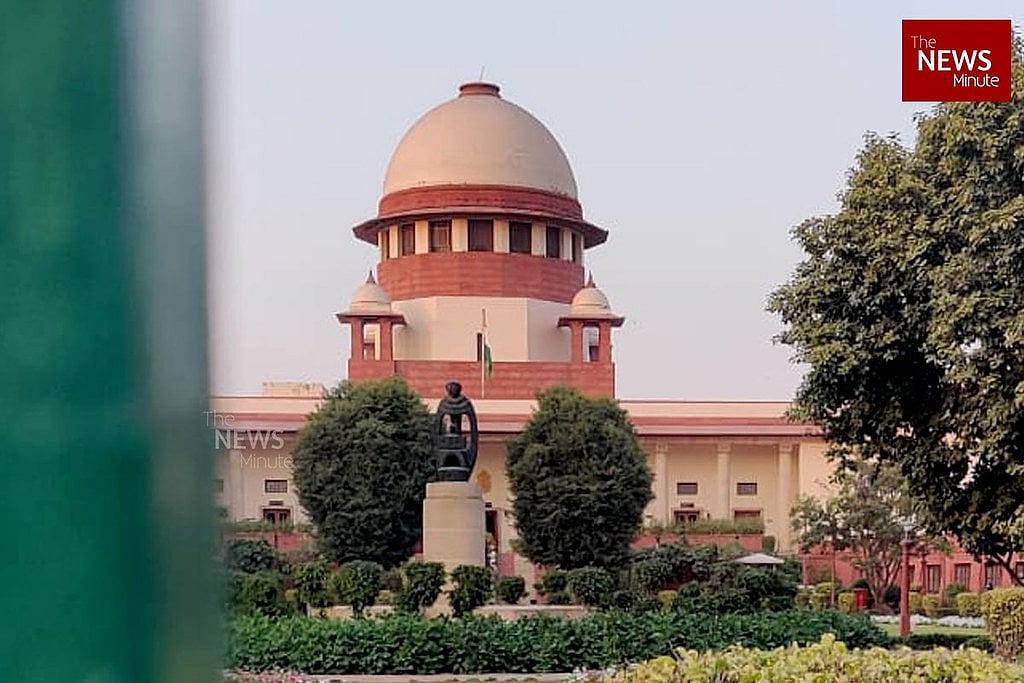
The Public Interest Litigation, related to the PM Cares Fund, came before a bench comprising Chief Justice Surya Kant, Justice Joymalya Bagchi and Justice R Mahadevan.
From the outset, the language of the petition, dense with constitutional principles and legal nomenclature, sat uneasily with the man presenting it, Bar and Bench reported.
The petitioner, a hosiery goods trader who had studied only until Class 12 and had never previously filed a plea before any High Court, had come directly to the Supreme Court. Chief Justice Kant's response was wry: "Bada bahaduri ka kaam kiya, seedha Ludhiana se chalke aagaye!" (Very brave of you to have come directly from Ludhiana.)
The Courtroom Exam That Exposed the Petition
Suspecting the petition had been drafted by someone else, Chief Justice Kant proposed an impromptu test. "Main apka ek exam karwaunga yaha, agar apka usme 30% bhi aagaya toh main maanlunga ki petition aapne banaayi hai," he told the petitioner (If you manage to score even 30% in an English exam, I will believe this plea is yours).
When asked to explain the phrase “Fiduciary Risk of Corporate Donors”, a term used prominently in the petition, the trader was unable to offer any answer. The Chief Justice was unsparing, "Sidhu sahab yeh toh aapne kagaz pe likh rakha hai, kisi vakil ne apko likh ke diya hai" (This has been written and handed to you by some advocate).
AI Tools, a Typist and Four Jackets
Cornered, the petitioner offered a candid account of how the petition came to be. He had initially approached a typist named Das in September, he said, and had subsequently drafted the plea using three or four AI tools, insisting he had done so himself because he lacked the funds to hire a lawyer.
The arrangement with the typist, he explained, had been settled not in cash but in kind: "Jo typist hai, unko 4 jackets gift kari thi, bohot ache hai woh, 1 ghante ka 1 hazaar mang rahe the" (The typist was helpful; I gifted him four jackets as I had no money, though he had asked for ₹1,000 per hour)
The bench directed Das to appear before it.
Supreme Court Dismisses PIL With a Sharp Warning
The Supreme Court bench dismissed the petition, observing in its order that the petitioner had "filed the petition without any sense of responsibility" and had "indulged in making vague, wild, frivolous and scandalous allegations."
The court noted plainly that "the tone and manner, expressions, terminology and the so-called 'constitutional principle' cannot be the brainchild of the petitioner," though it declined to pursue a broader inquiry into who was ultimately behind the filing.
Chief Justice Kant's parting words carried the flavour of the entire exchange: "Jaao Ludhiana mein 2-3 aur sweater becho, jin logo ka kaam hai aisi petition file karna, woh nuksaan kardengay aur apka, costs lagwa ke" (Return to your business in Ludhiana; those who use you to file such petitions will ultimately have costs imposed upon you.)