
































































Drone strike at Egypt's Damietta port raises risk of drawing more countries into conflict
A drone strike on gas vessels at Egypt's Damietta port has intensified fears of the US-Iran conflict widening across the Middle East. With Saudi Arabia, Kuwait, Jordan and other countries bearing the brunt of hosting US forces, the escalating hostilities risk drawing more players into the war.

THE United States and Iran have been trading tit-for-tat strikes for nearly a month, marking a renewed escalation in the conflict and drawing more countries into the roughly five-month-old war.
On Thursday (local time), Egyptian President Abdel Fattah al-Sisi warned that the Middle East conflict was entering a dangerous new phase after a drone struck a US-owned gas tanker at Egypt's Mediterranean port of Damietta.
Egypt on Thursday confirmed that a drone strike caused the fire aboard two gas vessels at the Mediterranean port of Damietta, ruling out the possibility of an accidental blaze. The confirmation followed an earlier assessment by British maritime security firm Ambrey, which said on Wednesday that a drone had struck a US-owned gas storage tanker docked at the port, raising fears that the conflict in the Middle East could widen further, Reuters reported.
Here's what happened
According to reports, the drone struck a floating storage tanker, Energos Winter, causing a blaze that later spread to another vessel, Gaslog Salem. The Egyptian cabinet announced on Thursday that the fire at Damietta Port, which houses a crucial liquefied natural gas hub, had been brought under control, with no casualties reported.
According to The Wall Street Journal, Egyptian authorities initially blamed the Islamic Republic for the attack and viewed it as an attempt to widen the conflict, citing officials familiar with the matter, who hinted that the Islamic Revolutionary Guard Corps (IRGC) has a higher risk appetite even toward countries that are deemed friendly to Tehran.
While no group has claimed responsibility for the drone strike on Egypt's port of Damietta, reports suggest that, if confirmed as a deliberate strike, it would mark the first time Cairo has been directly drawn into the widening regional conflict.
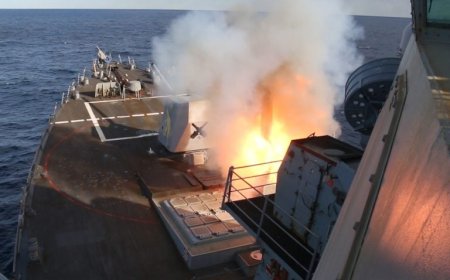
The incident came shortly after the US military renewed strikes against Iran on Wednesday after halting them for days and paving the way for diplomatic negotiations. However, on Tuesday, Tehran launched missiles targeting US forces in Jordan, a move that has once again heightened the risk of a full-blown war.
Following the strike, Iran's Foreign Minister Abbas Araghchi on Friday (local time) called Egypt an "important friend and partner" and said, "Egypt is an important friend and partner in the region, and its security is of utmost importance to us. We must all be vigilant against Israeli plots and false-flag operations designed to undermine regional peace. The threat is clear, mutual, and fearful of Muslim solidarity."
Here's how the war is pulling in more countries
Apart from Egypt, several other countries in the Middle East have already been bearing the brunt of the US-Iran attacks, including Jordan, Kuwait, Bahrain, Qatar, Saudi Arabia, and the United Arab Emirates (UAE), as they house US forces in the region, with the Islamic Republic warning the countries of a "harsh response" if they assist Washington.
Saudi Arabia has now been drawn into the conflict as it conducted joint strikes with the US against Iraq this week, despite the kingdom having spent months trying to avoid deeper involvement. The strikes came after Riyadh faced attacks from three directions, including missile attacks from the Iran-backed Houthis in Yemen, drone attacks from pro-Iranian militias in Iraq, and renewed threats from Tehran.
In addition to targeting Saudi oil facilities, the Houthis declared a blockade on Saudi shipping through a strategic Red Sea chokepoint. The move marks a significant escalation, as Riyadh had shifted a large share of its oil exports to Red Sea ports while the Strait of Hormuz remains effectively shut.
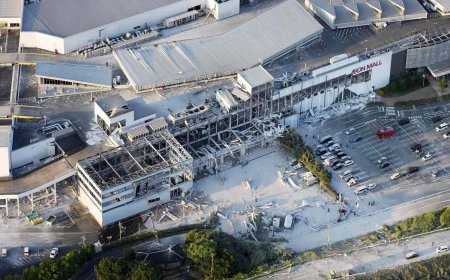
On Thursday, Iran struck a building owned by a Chinese company in Kuwait, causing what authorities described as "extensive material damage." If attacks on foreign-owned establishments continue, the risk of additional countries being drawn into the conflict could increase.
Separately, the Islamic Republic has also warned Cyprus and Bulgaria against allowing Washington to use their bases to launch attacks on the country.
The latest developments underscore how the US-Iran conflict is increasingly spilling beyond the two adversaries, raising the risk of broader regional involvement as more countries find themselves caught in the escalating hostilities.