



































































US-Iran peace deal hinges on frozen assets debate- Is it $12 billion or $24 billion?
The U.S. and Iran agreed to a preliminary deal to extend their ceasefire and reopen the Strait of Hormuz, with major issues pending.

THE United States and Iran reached a preliminary agreement on Monday aimed at extending their fragile ceasefire and reopening the Strait of Hormuz, although major issues remain unresolved, including the possibility of continued Israeli military action in Lebanon.
No detailed terms of the deal were immediately made public, but it is expected to take effect only after formal signing. According to the mediator, Pakistan, the agreement is scheduled to be signed on Friday in Geneva.
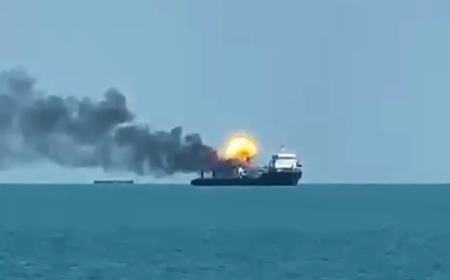
Until then, restrictions on shipping are likely to remain in place in the strait, a vital route for global oil and gas supplies whose closure has contributed to an international energy crisis.
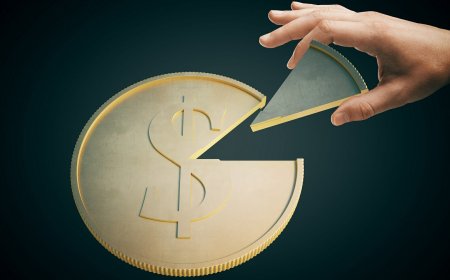
Iran’s Mehr news agency reported that the United States will release $12 billion in frozen Iranian assets ahead of the start of negotiations under the newly announced US–Iran agreement.
Citing a 14-point memorandum of understanding between the two countries, the agency said the remaining $24 billion in blocked assets would be unfrozen over the 60-day negotiation period that begins after the MoU is signed. The agreement is expected to be formally signed at a ceremony in Switzerland on Friday.
“Half of this amount must be made available to Iran before the start of the negotiations,” the text, which has not been officially confirmed, specifies.
Sanctions and financial impact
The senior Iranian official told Reuters that the U.S. had agreed not to impose any new sanctions on Iran until a final deal was reached. They added the U.S. would waive oil sanctions on Iran for a specified period and that after the final agreement, all US and UN sanctions would be lifted to an agreed timetable.
Reuters reported that the senior Iranian official said the U.S. had agreed to release $25 billion of Iran's frozen assets, including via direct cash transfers, cooperation among regional countries, and financial credit lines.
Washington, in coordination with its regional allies, would prepare a reconstruction and development plan for Iran, to be negotiated and agreed with Tehran within 60 days, they added, as reported by Reuters.
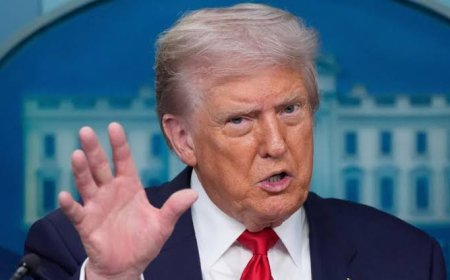
Trump said Iran would not be provided with cash but that sanctions could potentially be lifted.
The conflict has become a political burden for Trump and Republicans in Congress, with public frustration rising over higher gas prices ahead of the November midterm elections. At the same time, Trump has faced pressure from within his own party from lawmakers who argue that Iran’s nuclear programme must be fully dismantled.
During his first term, Trump withdrew the United States from the 2015 multilateral Iran nuclear deal negotiated under Democratic President Barack Obama, which had lifted sanctions on Tehran in exchange for limits on its nuclear activities and international inspections.
Following the U.S. exit, Iran increased its uranium enrichment, producing more than 400 kg (around 900 pounds) of material close to weapons-grade levels.
In a joint statement, Britain, Germany, France and Italy said they were prepared to lift sanctions on Iran in response to "clear, verifiable steps" to limit its nuclear program.
China also welcomed the deal.