

























































SC judge Ujjal Bhuyan hopes transgender persons, sexual minorities serve as judges
Supreme Court judge Justice Ujjal Bhuyan on Saturday, February 21, said the Indian judiciary must better reflect the country’s social diversity and function as an inclusive “rainbow institution”, instead of being seen as dominated by any single gender or community. He was delivering the keynote address on ‘Constitutional Morality and the Role of the District Judiciary’ at a seminar organised by the Telangana Judges Association and the Telangana Judicial Academy in Hyderabad.Justice Bhuyan noted that members of the LGBTQ+ communities were stereotyped and prejudiced against, and added that constitutional morality should guide both institutions and individuals and take precedence over cultural morality. He expressed the hope that members of the transgender community and sexual minorities would one day serve as judges. Describing the judiciary as a pyramid resting on the foundation of trial courts, Justice Bhuyan said the effectiveness of the justice delivery system depended largely on the strength of the district judiciary, which serves as the first point of contact for most citizens. He characterised Article 227 as a “shield, not a sword”, indicating that High Courts should guide and support lower courts rather than act solely as appellate bodies. Article 227 of the Indian Constitution grants High Courts the superintendence over all courts and tribunals within their territories.Emphasising the importance of the district judiciary, he noted that several eminent judges began their careers in the district courts. From the Supreme Court’s first woman judge, Justice M Fathima Beevi, to former Chief Justice of India Justice Aziz Mushabber Ahmadi, and former Supreme Court judge Justice Hansraj Khanna. He also mentioned Kanya Nathan, who topped the Kerala civil judge examination despite having a visual impairment, after a 2025 Supreme Court ruling clarified that impairment is not a disqualification.He also pointed to continuing instances of social prejudice. Citing a 2025 incident in Delhi, he said a PhD scholar known to his family was allegedly denied accommodation because of her Muslim identity. He also referred to a protest in Odisha against a Dalit woman appointed to cook midday meals, as well as objections raised by some parents to their children consuming food prepared by a Dalit Anganwadi teacher. “This is the tip of the iceberg showing the societal fault lines that persist even after 75 years of Independence,” he said.Justice Bhuyan raised concerns about low legal literacy, observing that even educated people often mistake the grant of bail for acquittal. He said barriers such as high legal costs and limited public understanding of the law create a “metaphorical distance” between courts and citizens, and urged steps to narrow this gap.Highlighting representation within the judiciary in Telangana, he noted that 283 of the State’s 478 judicial officers are women, with women accounting for nearly half of Grade-I officers and about 70% of junior civil judges. The percentage of minorities among judicial officers stands at 5.23%, he said.
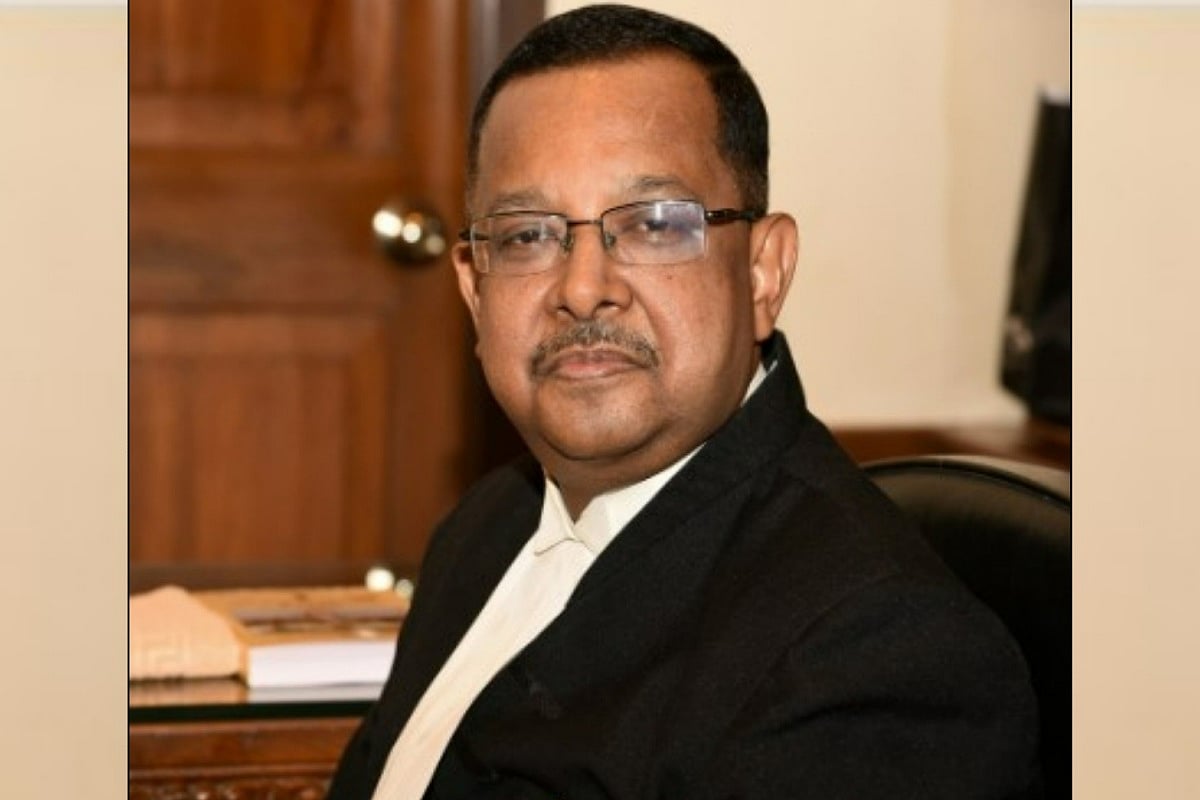
SUPREME Court judge Justice Ujjal Bhuyan on Saturday, February 21, said the Indian judiciary must better reflect the country’s social diversity and function as an inclusive “rainbow institution”, instead of being seen as dominated by any single gender or community.
He was delivering the keynote address on ‘Constitutional Morality and the Role of the District Judiciary’ at a seminar organised by the Telangana Judges Association and the Telangana Judicial Academy in Hyderabad.
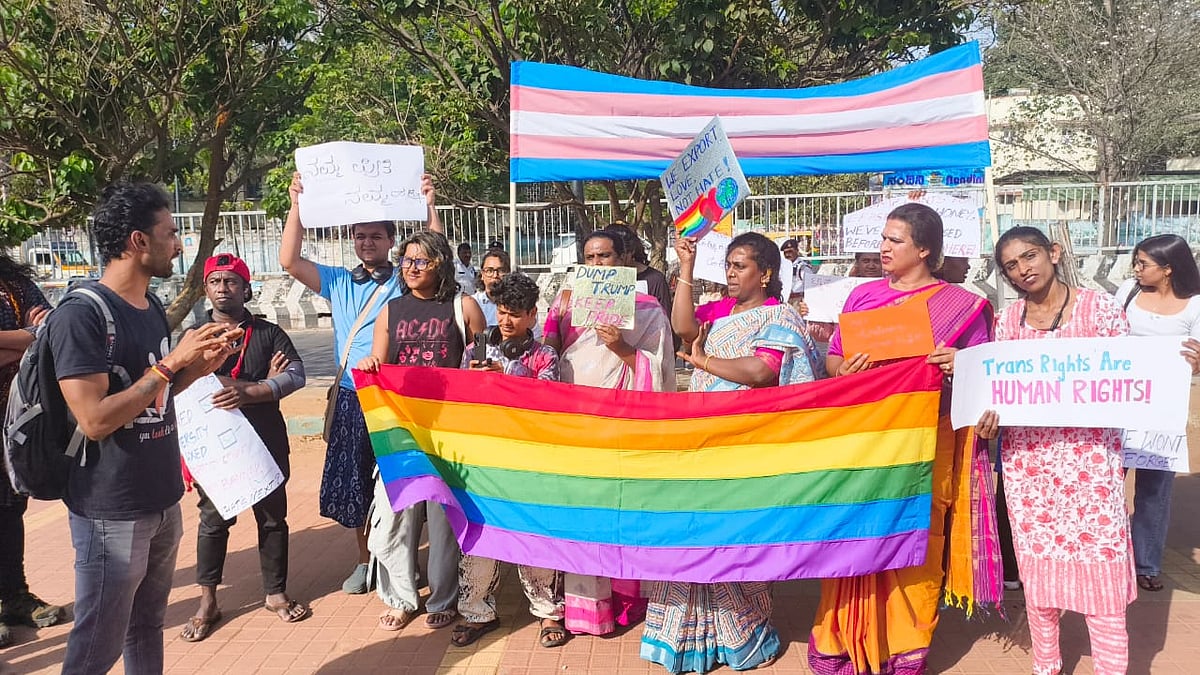
Justice Bhuyan noted that members of the LGBTQ+ communities were stereotyped and prejudiced against, and added that constitutional morality should guide both institutions and individuals and take precedence over cultural morality. He expressed the hope that members of the transgender community and sexual minorities would one day serve as judges.
Describing the judiciary as a pyramid resting on the foundation of trial courts, Justice Bhuyan said the effectiveness of the justice delivery system depended largely on the strength of the district judiciary, which serves as the first point of contact for most citizens. He characterised Article 227 as a “shield, not a sword”, indicating that High Courts should guide and support lower courts rather than act solely as appellate bodies. Article 227 of the Indian Constitution grants High Courts the superintendence over all courts and tribunals within their territories.
Emphasising the importance of the district judiciary, he noted that several eminent judges began their careers in the district courts. From the Supreme Court’s first woman judge, Justice M Fathima Beevi, to former Chief Justice of India Justice Aziz Mushabber Ahmadi, and former Supreme Court judge Justice Hansraj Khanna. He also mentioned Kanya Nathan, who topped the Kerala civil judge examination despite having a visual impairment, after a 2025 Supreme Court ruling clarified that impairment is not a disqualification.
He also pointed to continuing instances of social prejudice. Citing a 2025 incident in Delhi, he said a PhD scholar known to his family was allegedly denied accommodation because of her Muslim identity.
He also referred to a protest in Odisha against a Dalit woman appointed to cook midday meals, as well as objections raised by some parents to their children consuming food prepared by a Dalit Anganwadi teacher.
“This is the tip of the iceberg showing the societal fault lines that persist even after 75 years of Independence,” he said.
Justice Bhuyan raised concerns about low legal literacy, observing that even educated people often mistake the grant of bail for acquittal. He said barriers such as high legal costs and limited public understanding of the law create a “metaphorical distance” between courts and citizens, and urged steps to narrow this gap.
Highlighting representation within the judiciary in Telangana, he noted that 283 of the State’s 478 judicial officers are women, with women accounting for nearly half of Grade-I officers and about 70% of junior civil judges. The percentage of minorities among judicial officers stands at 5.23%, he said.