





















































Gulf nations face food security challenge amid US-Iran conflict, Hormuz Strait closure
Analysts caution that even brief obstructions in Hormuz necessitating rerouting from primary docks to smaller facilities will trigger significant friction.
PROSPEROUS Gulf monarchies are encountering their most severe food security obstacles since the 2008 international food emergency, as the Iranian war endangers maritime hubs and hampers transit through the Strait of Hormuz.
This Middle East conflict is evaluating tactics implemented after 2008, when skyrocketing food costs drove Gulf states to pivot towards import-heavy frameworks centred on injecting capital into overseas agricultural ventures.
That approach replaced costly initiatives that were earlier attempted to increase local cultivation of essential grains but struggled against the territory's harsh environment and water scarcity. Saudi Arabia, for instance, started phasing out its internal wheat-farming project in 2008 to transition towards near-total dependence on foreign sources.
Price spikes and product shortages
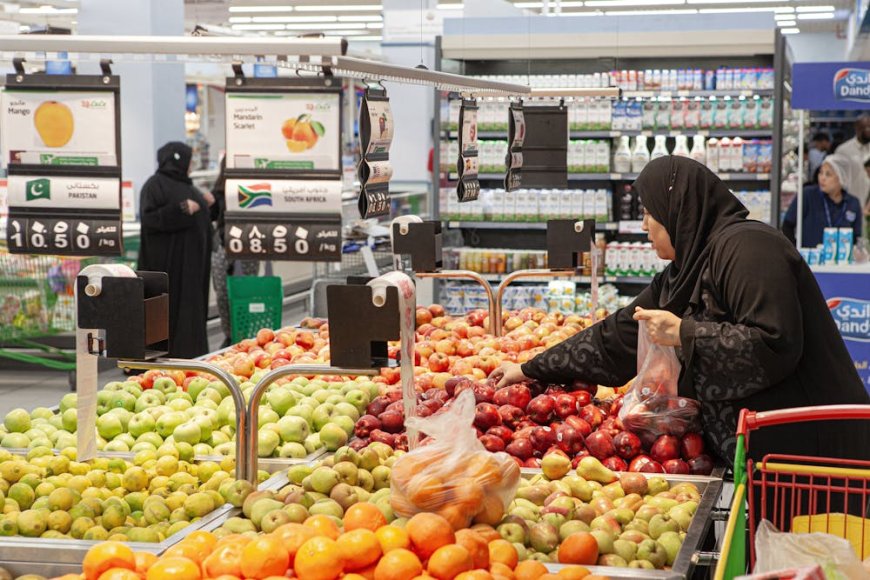
Currently, with international logistics interrupted and national airspaces shut across a zone that is 80-90% reliant on imported nutrition, price spikes and product shortages are anticipated.
Analysts caution that even brief obstructions in Hormuz necessitating rerouting from primary docks to smaller facilities will trigger significant friction, reported Reuters.
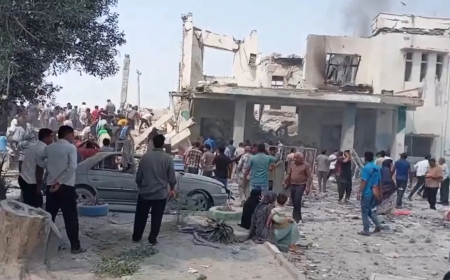
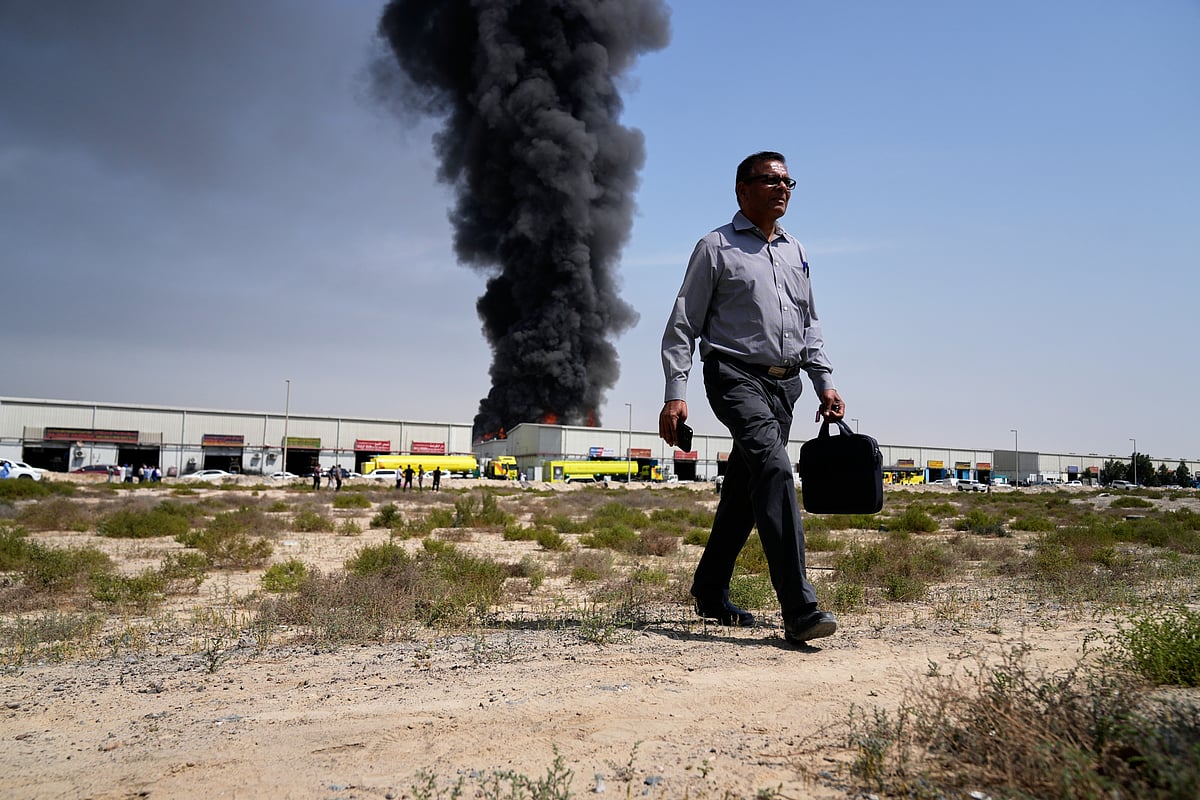
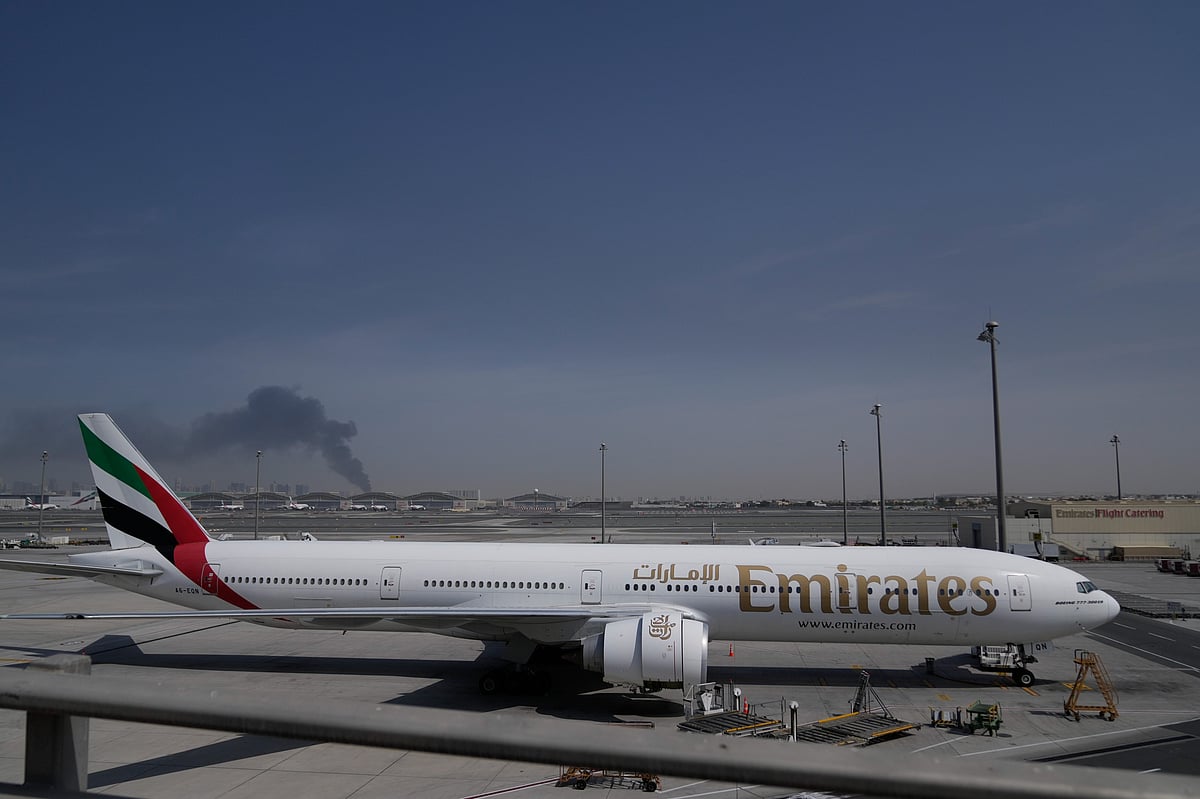
The majority of key Gulf terminals — including Dubai’s Jebel Ali and major facilities in Kuwait, Bahrain, Qatar, and the Saudi eastern coastline — are situated where most maritime traffic must navigate the Hormuz passage. Iranian strikes targeted several of those vital arteries, including Jebel Ali, the region’s biggest container terminal, this week, halting operations for several hours.
"With over 70% of GCC foodstuffs being imported through the Strait of Hormuz, Gulf states face shortages if the war persists," said Neil Quilliam, associate fellow at think tank Chatham House, according to Reuters.
"While GCC countries have taken steps to diversify suppliers and ensure sufficient stores to withstand disruption, this can only last several months. At this point, price increases and longer lead times will start to hit the markets," said Quilliam.
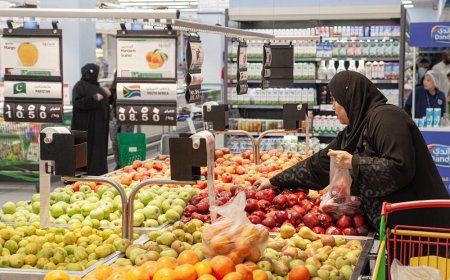
Retail employees informed Reuters that shelves stay mostly full, although distributors are taking more time to restock particular items. Dubai this week eased truck-traffic limitations temporarily to sustain the movement of supplies.
The commencement of Iran’s strikes on the Gulf this Saturday triggered widespread hoarding and caused a momentary supply dip that intensified public alarm — a rehearsal for potential future disruptions.
Emirati ports outside Hormuz Strait have limited capacity
Emirati ports outside the waterway possess restricted volume. Khorfakkan manages 5 million twenty-foot equivalent units (TEUs) while Fujairah handles under 1 million; both would struggle to compensate for the throughput lost at Jebel Ali or Abu Dhabi’s Khalifa Port.
Those constraints have not yet fully manifested, and the UAE stated its emergency stockpiles of essential commodities cover four to six months of requirements. It encouraged citizens to report any unreasonable price hikes via a specialised hotline.
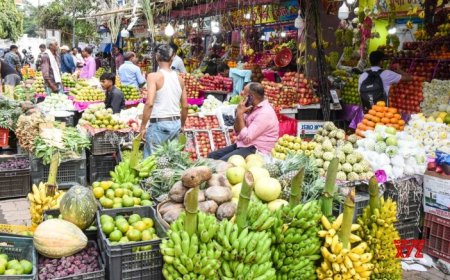
Commodities like bananas that decay rapidly are uniquely sensitive to any maritime rerouting that extends travel times. Transporting perishable groceries by air once airspace resumes to shorten the trip will inflate costs.
Beyond investing abroad to guarantee access to major agricultural hubs, Gulf nations have also constructed sophisticated silos able to house hundreds of thousands of tons of essential grains over the last twenty years. These facilities provide a cushion for staples with long shelf lives like wheat, rice, and cooking oils.
The UAE inaugurated its Fujairah grain elevators in 2016 on the Indian Ocean seaboard outside the Strait of Hormuz, boasting roughly 300,000 metric tonne capacity.
This site was selected tactically to circumvent Hormuz, given Iran had previously threatened to block the channel whenever hostilities escalated with Western powers.
Regional synergy among Gulf Cooperation Council participants will be vital to preventing food deficits, yet the six-country alliance has historically found consistent coordination difficult.